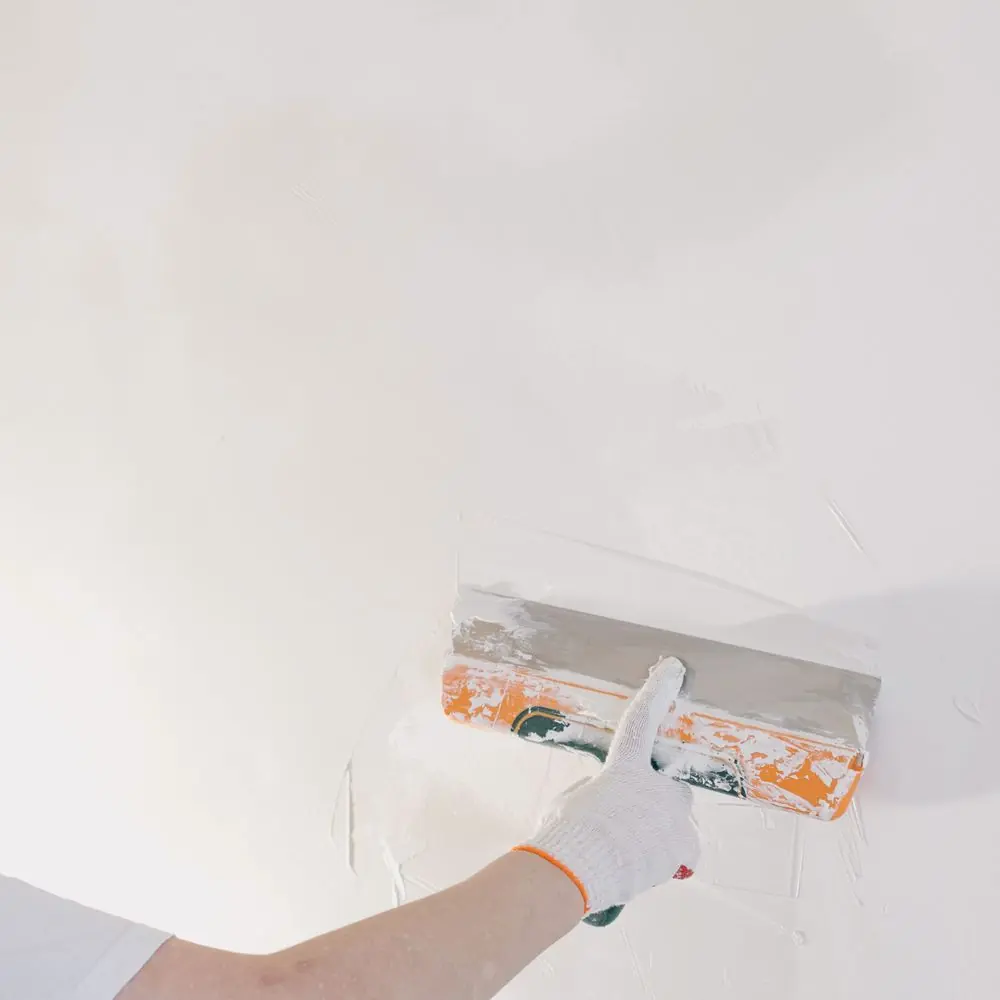

The short answer, and why it varies so much
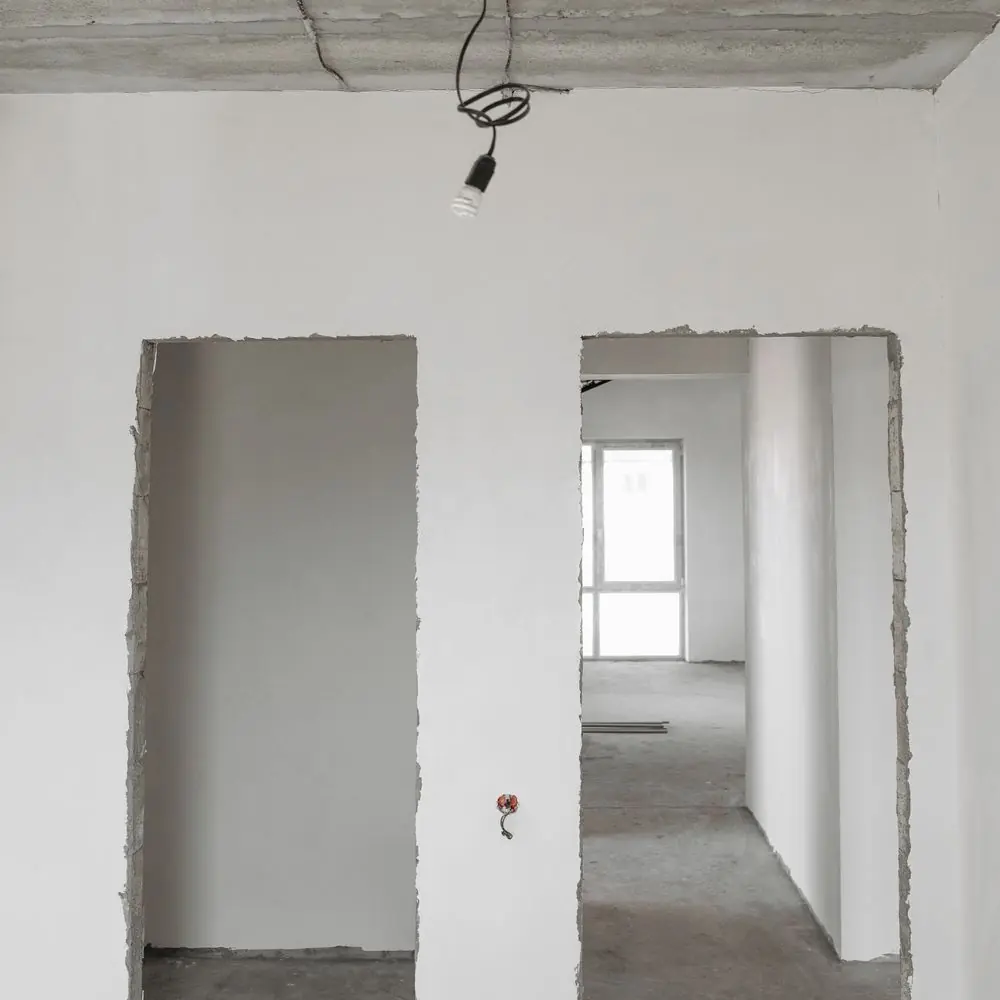
A thin two-coat skim over plasterboard in a warm, ventilated room is usually dry enough to mist-coat in four to seven days. A skim over an old solid wall takes longer, often ten days to a fortnight, because the wall behind it holds moisture and gives it back slowly. A full float and set, two thick coats of undercoat plaster on bare brick with a finish on top, can take three to six weeks, and in a cold Leeds house in January it can take longer than that.
The variation comes from three things: how much water went into the wall (thicker coats and wetter backgrounds hold more), how fast the room can carry it away (temperature and ventilation), and what the wall is made of underneath (plasterboard is dry and inert; old brick and stone are neither). Nobody can give a single number that covers all three, which is why "how long" is the wrong question and "how do I tell" is the right one.
How to tell when plaster is dry
Fresh plaster is dark pink or a deep grey-brown depending on the product. As it dries it lightens, unevenly at first, with the last damp patches lingering around the corners, the bottom of the wall and anywhere the background was wettest. When the whole surface is a uniform pale pink, or pale cream for some finishes, with no darker patches anywhere, it is dry. Not mostly dry. Uniform.
Two other checks help. Hold the back of your hand against the wall: damp plaster feels cool, dry plaster feels the same as the air. And look at the corners and the skirting line in daylight, because those are the last places to dry and the first places a mist coat will fail if it goes on early.
- Uniform pale colour across the whole wall, no dark patches
- No cool feeling against the back of your hand
- Corners and skirting line as pale as the middle of the wall
- No visible moisture beading on the surface in the morning
Heating, ventilation and the Leeds winter
Plaster dries by giving its water to the air, so the air has to be able to take it and then leave. A room at eighteen to twenty degrees with a window cracked open and the door ajar is ideal. A room at ten degrees with everything shut is a cave, and the plaster will sit damp for weeks and may grow a bloom of mould on the surface. A room with the heating on full and the windows shut is worse than it sounds: the air fills with moisture, condenses on the cold glass, and the plaster dries fast on the surface and stays wet behind, which is how a skim cracks.
In a Leeds terrace in winter the practical routine is moderate background heat, a window open a little in the room being dried, and a dehumidifier if you have one running in the same room with the door shut. Do not point a fan heater at a fresh wall. Do not put a heater in a small room and leave it overnight. Slow and even is what plaster wants.
What a mist coat is and why it matters
New plaster is porous and thirsty. Put a full-strength emulsion straight on to it and the plaster sucks the water out of the paint before it can form a film, leaving a skin that sits on the surface and peels away in sheets a few months later. A mist coat is a watered-down first coat of matt emulsion, typically around seventy percent paint to thirty percent water, that soaks into the plaster and seals it so the following coats can grip.
Use a cheap, plain matt emulsion for the mist coat, not a vinyl silk, not a bathroom paint, not a "one coat" product; those contain additives that stop them soaking in. Roll it on generously, let it dry, and then paint normally. The mist coat is the difference between a wall that stays painted for many years and one that flakes in the first spring.
Mistakes that ruin a good skim
Painting too early is the commonest. The wall looks pale in most places, the decorator is booked, and the paint goes on over damp corners that later show as peeling and bubbling. Painting with the wrong first coat is the second: a silk or a trade "durable" emulsion straight on to fresh plaster will fail. Wallpapering straight on to new plaster without sizing it is the third; the paste soaks in unevenly and the paper lifts at the seams.
Then the drying mistakes: forcing it with a fan heater, which cracks the surface; shutting the room up completely, which grows mould; and sanding the surface hard because it looks dusty, which takes the polished top skin off and leaves a rough, absorbent face. A light dust off with a soft brush is all a good skim needs.
- Painting before the corners have gone pale
- Silk, kitchen or one-coat paint as the first coat
- Fan heaters and closed rooms
- Sanding the polished surface
- Wallpaper without a size coat
Different plasters, different timings
A gypsum finishing skim is the quickest to dry because it is thin. Bonding and hardwall undercoats are thicker and slower. Lime plaster is different again: it does not so much dry as carbonate, taking carbon dioxide back from the air over weeks, and it needs a limewash or a breathable paint rather than a vinyl emulsion at all. If you have had lime plaster for old walls put on a stone or old brick house, follow the plasterer’s timings, which will be longer, and do not seal it with ordinary paint.
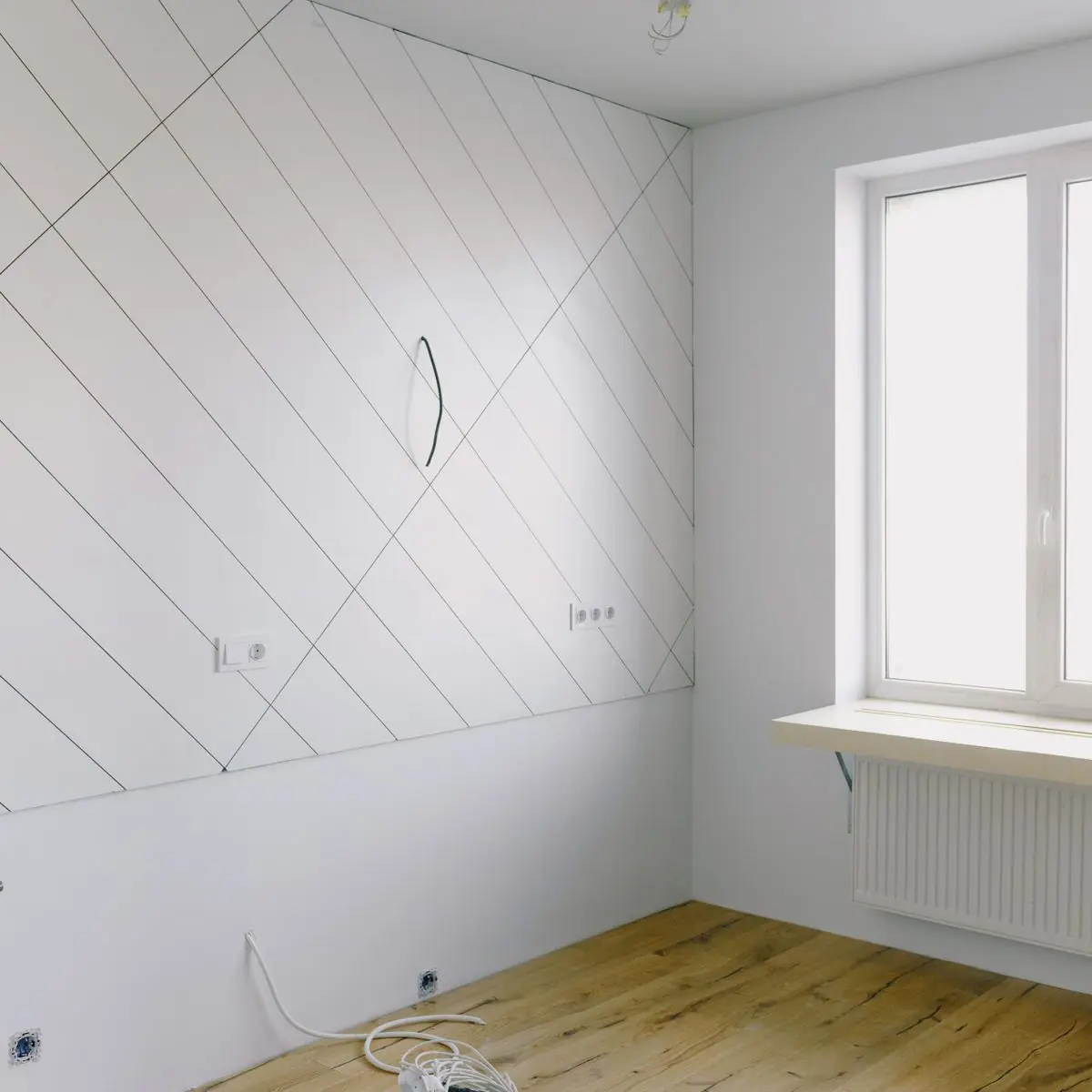
Plasterboard that has been taped and jointed rather than skimmed is ready almost immediately once the compound is sanded, though it still wants a suitable primer or mist coat. A whole-room job from the plastering and skimming team comes with written drying and mist-coat advice for exactly this reason: the timing depends on what was done to which wall.
What to do while you wait
Keep the room ventilated and gently warm. Keep furniture away from the walls so air can move behind it. Do not hang pictures or fix shelves until the mist coat is on and dry, because fixings into damp plaster loosen as it shrinks. Do not put a bed or a sofa hard against a freshly plastered wall for the first week. If small cracks appear as it dries, hairline ones along a plasterboard joint or in a corner, note them; they are usually filled at the snagging visit before decoration and are not a sign of a bad job.
If a patch stays dark for more than a couple of weeks after everything around it has gone pale, tell the plasterer. It usually means the background was wetter than it looked, or there is a source of moisture behind that spot that needs finding.