

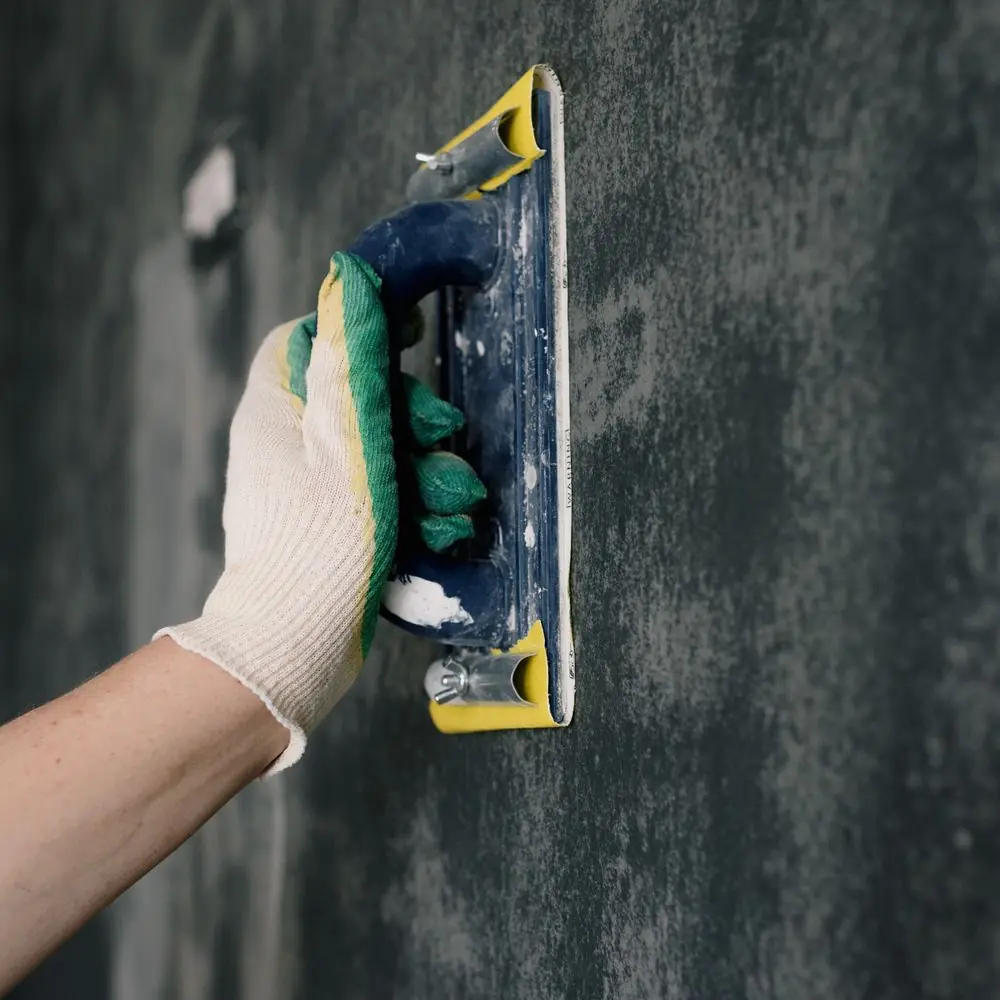
Rendering
house rendering
Sand and cement, monocouche and re-render work on brick, block and previously rendered walls.
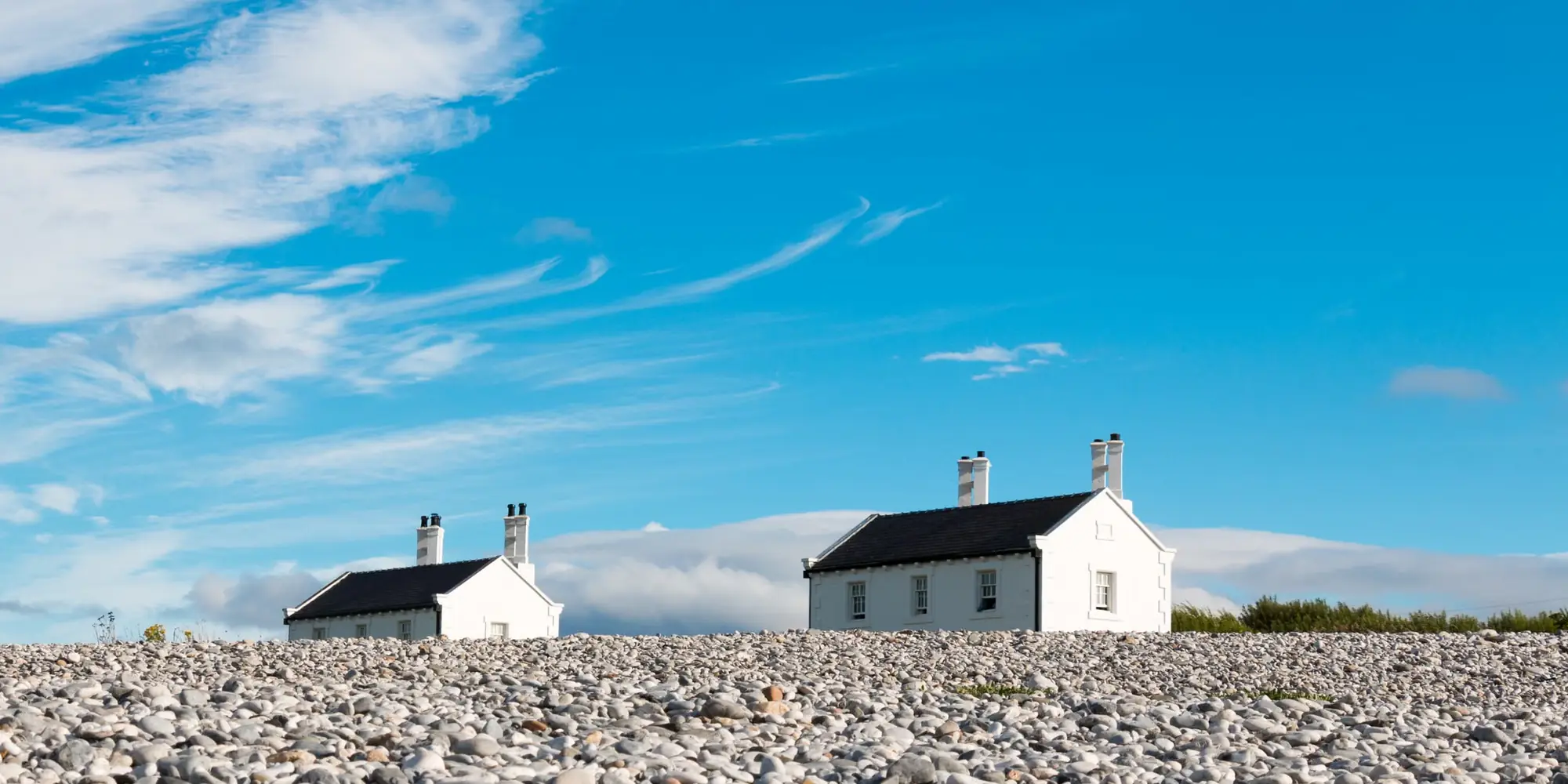
Pebbledash · Leeds and West Yorkshire
Pebbledash was the finish of choice for the inter-war semis and council estates that ring Leeds. Nearly a century on it is cracking, hollow and hard to love. It can be repaired, rendered over or taken off, and the wall decides which.
What the job covers
Pebbledash is a cement render with small stones thrown into the wet top coat; roughcast (or harling) mixes the stones into the coat itself. Both were cheap, quick and forgiving of poor brickwork, which is why they cover so many 1920s and 1930s houses from Moortown to Morley. The problems arrive with age: the render cracks, water gets behind it, it comes away in sheets, and painting it only hides the trouble for a season.
Invicta removes pebbledash, renders over it where it is sound, applies new roughcast where the house should keep its character, and repairs patches where that is all that is needed. Which of those is right depends on what is underneath, and the survey starts with a hammer and a test panel. Rendering over usually means a through-colour silicone render; where the wall is solid and cold, taking the pebbledash off opens the door to external wall insulation at the same time.
What a pebbledash job can include
Removal means taking the render off mechanically, down to the brick, and dealing with what is found. On a house where the pebbledash was put on to hide poor brickwork, and that is most of them, the brick underneath may be soft, patchy or of two different kinds, and the render will have pulled some of the face away. That is why removal is rarely the end of the job: it is the start of a repair and a new finish.
It is dusty, noisy work that needs scaffold, sheeting and skips, and it is done elevation by elevation so the house is never left open to the weather.
Before anyone commits to stripping a whole house, we take a small test panel off in an inconspicuous place. It tells us how well the render is bonded, what the brick is like, whether there is a cement scratch coat under the dash that will come off with it, and roughly how long the job will take. The rest of the elevation is tapped for hollow areas and checked for cracks that run through into the wall.
The result of the test decides the recommendation: repair, render over or remove. We would rather spend an hour finding out than a fortnight finding out the hard way.
Pebbledash comes off with breakers and chisels, working from the top of the wall down so the loosened render does not fall on finished work below. Where the bond is weak it comes away in sheets; where it is strong it has to be chased off in strips, and the brick face suffers accordingly. The stone-covered top coat and the scratch coat beneath are removed together, then the wall is brushed and washed to take off the dust and the cement residue that would stop a new finish bonding.
Windows, doors, sills and the roofline are protected throughout, and the debris is bagged or skipped daily rather than left around the house.
What the render leaves behind is repaired before anything goes back on. Spalled bricks are cut out and replaced, joints are raked and repointed, cracks are stitched where they matter, and the whole wall is cleaned. If the plan is to leave the brick exposed, the cleaning and repointing have to be good enough to look at, and the brick has to be a type that was meant to be seen. Many inter-war houses used commons that were never intended to be, and those are usually rendered again.
Air bricks, weep holes and the damp course are checked and cleared while the wall is bare.
Once the wall is sound there are three ways to finish it. A modern thin-coat silicone system, meshed and coloured through, is the usual choice: it modernises the house, sheds water and needs no painting. A new roughcast or pebbledash keeps the house in step with a street where every other house has it, and can be done in a lime or a modern mix. Exposed brick suits the minority of houses where the brick is worth showing.
Where the existing pebbledash is sound but tired, a meshed base coat can be applied over it and finished in silicone without removal, which saves the noisiest and dustiest part of the job. The test panel and the tapping tell us whether that is honest for your wall.
Finish options after removal
Removal is priced on the wall area, the number of storeys, how well the dash is bonded and how much brick repair follows. Rendering over is usually quicker and cheaper than removal and re-rendering, when the wall allows it. Scaffold, skips and protection are included in the written quote rather than added later. A whole semi is typically two to three weeks from scaffold up to scaffold down, longer if the brick needs a lot of repair.
Access around conservatories, boundaries and neighbours' drives is agreed at the survey, because it changes how the scaffold is built and what the job costs.
Old pebbledash is a hard cement coat on a wall that often has no cavity. When it cracks, water gets in and cannot get out, and the first sign is blown plaster and damp patches inside. Taking it off and finishing the wall in a breathable, water-shedding system lets the wall dry and stops the cycle. On a solid wall, adding insulation under the new render deals with cold as well as damp.
Where the internal plaster has already blown, the plastering and replastering inside is quoted at the same survey so the whole wall, inside and out, is put right once.
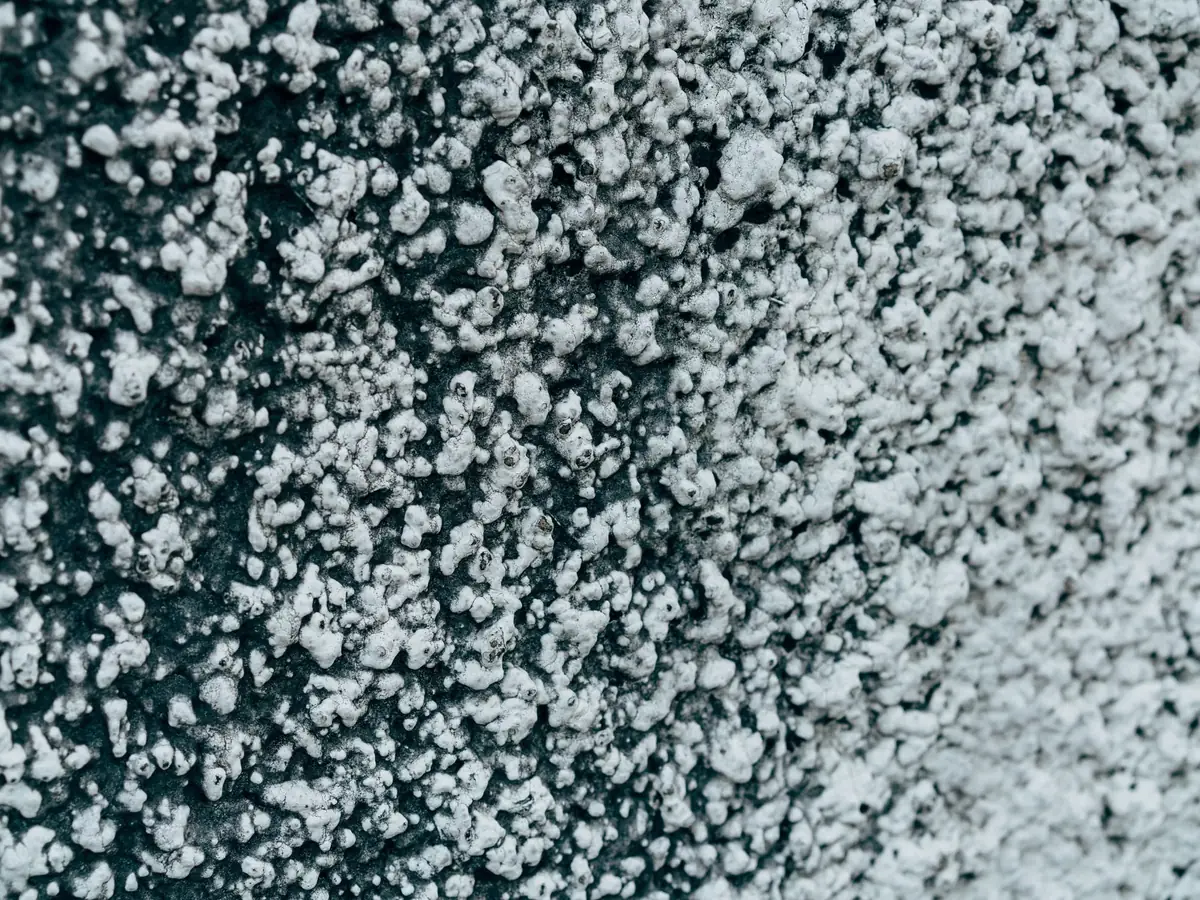
before the decision
A small area removed, the bond and the brick assessed, the rest of the wall tapped. Repair, render over or remove is decided from evidence.
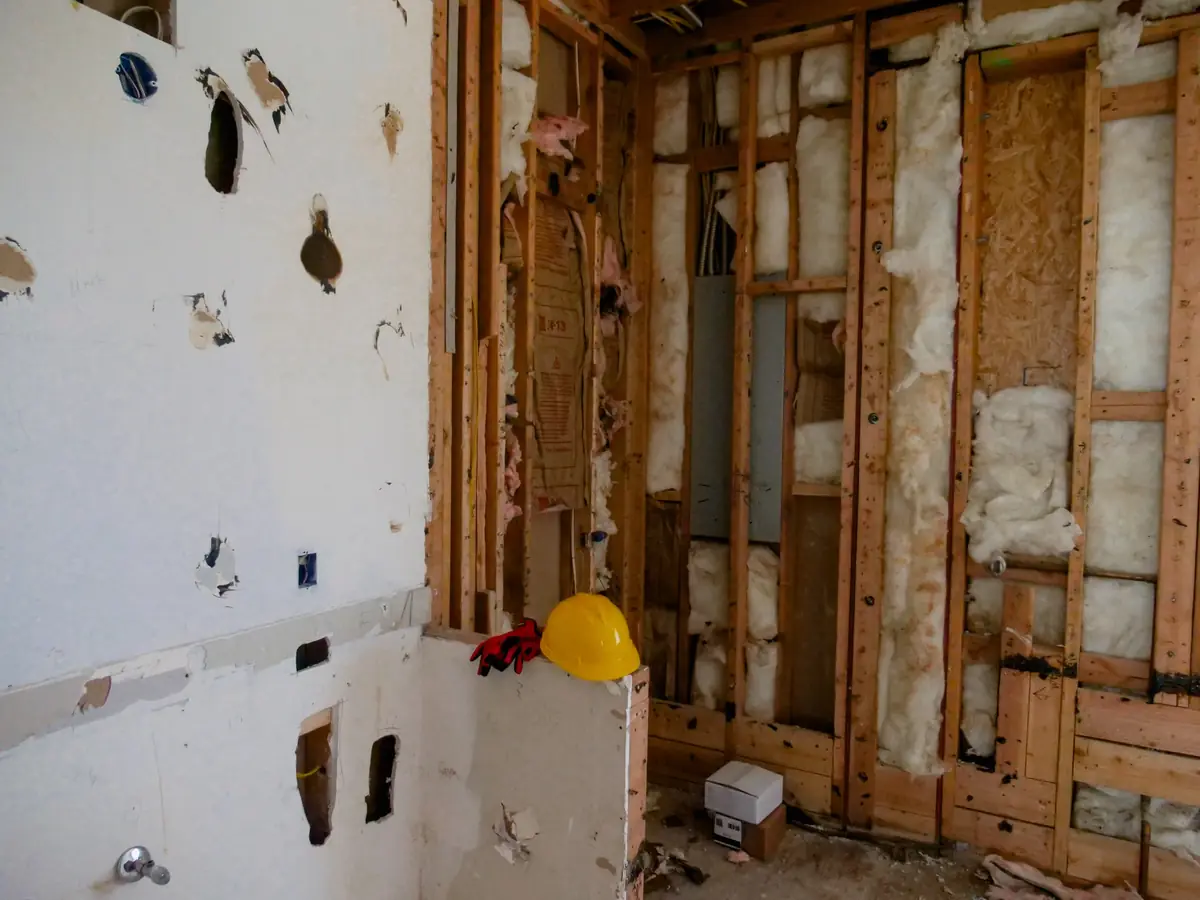
top down, sheeted
Render broken off elevation by elevation, debris cleared daily, the wall brushed and washed clean.
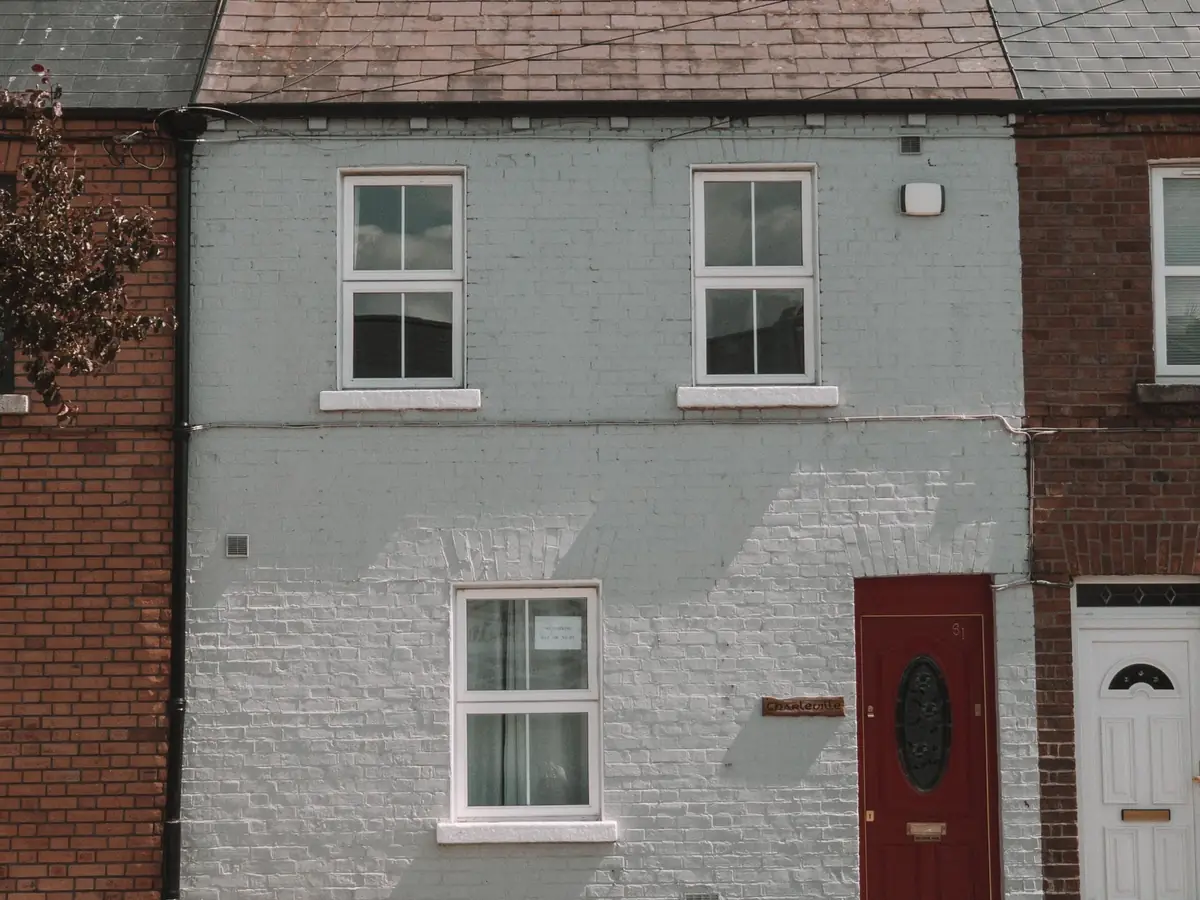
while the wall is bare
Bricks replaced, joints repointed, cracks stitched, air bricks and damp course cleared.
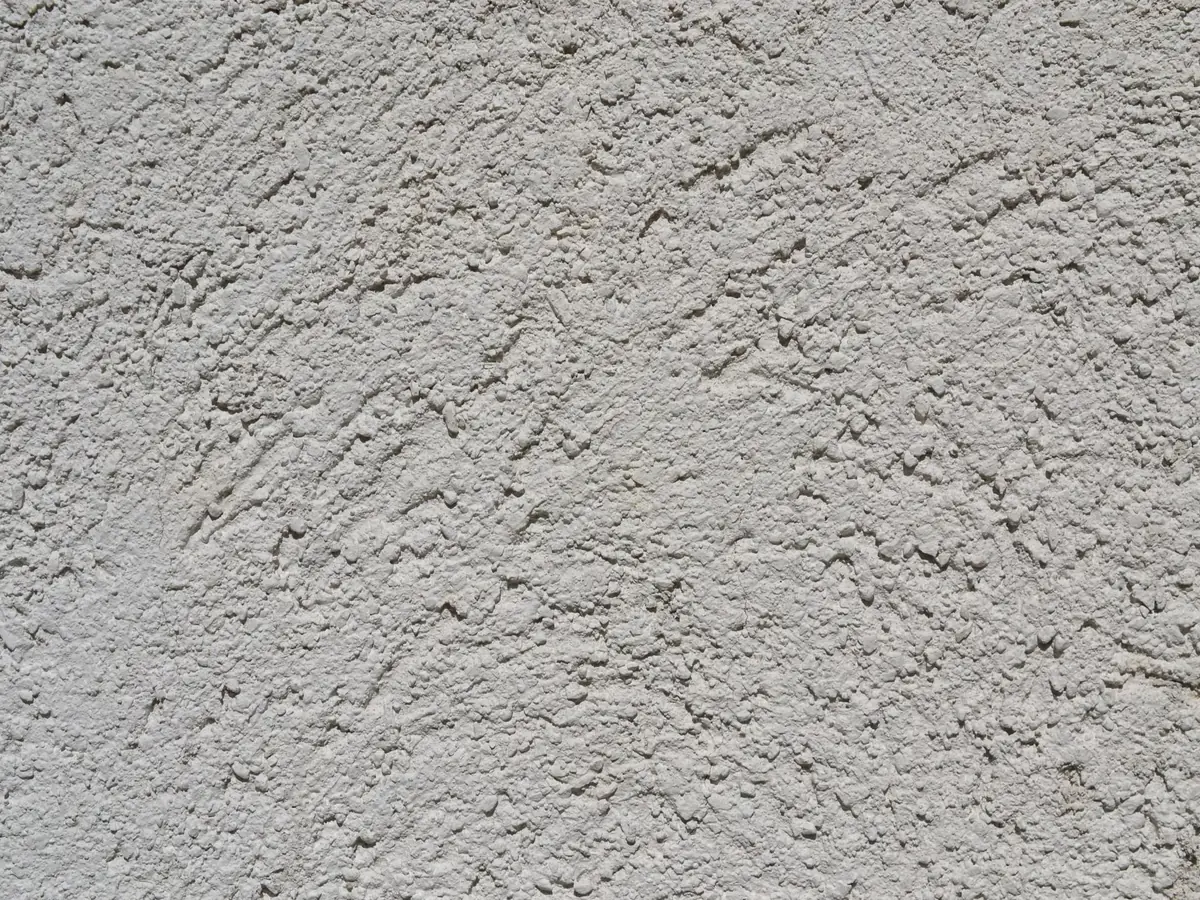
and a maintenance note
The chosen finish applied in the passes the system specifies, scaffold struck, and a short note on keeping it sound.
Next step
Tell us which elevations and roughly how tall the house is. A surveyor calls back with a date; the first visit is a hammer and a small patch, not a sales pitch.
Ask to see a finished pebbledash job like yours before you book. The survey is where that conversation starts.
Quick Quote OnlineAreas covered
We are a service-area business: no showroom, the team travels to you. Pebbledash is quoted from the same survey visit in every town on the list, and the map shows where we are based.
Leeds postcodes come first, then Bradford, Wakefield, Dewsbury, Huddersfield, Halifax, Harrogate and Barnsley, with the smaller towns between them on the same run. The full list of fifty is on the areas we cover.
Related services
Rendering
Sand and cement, monocouche and re-render work on brick, block and previously rendered walls.
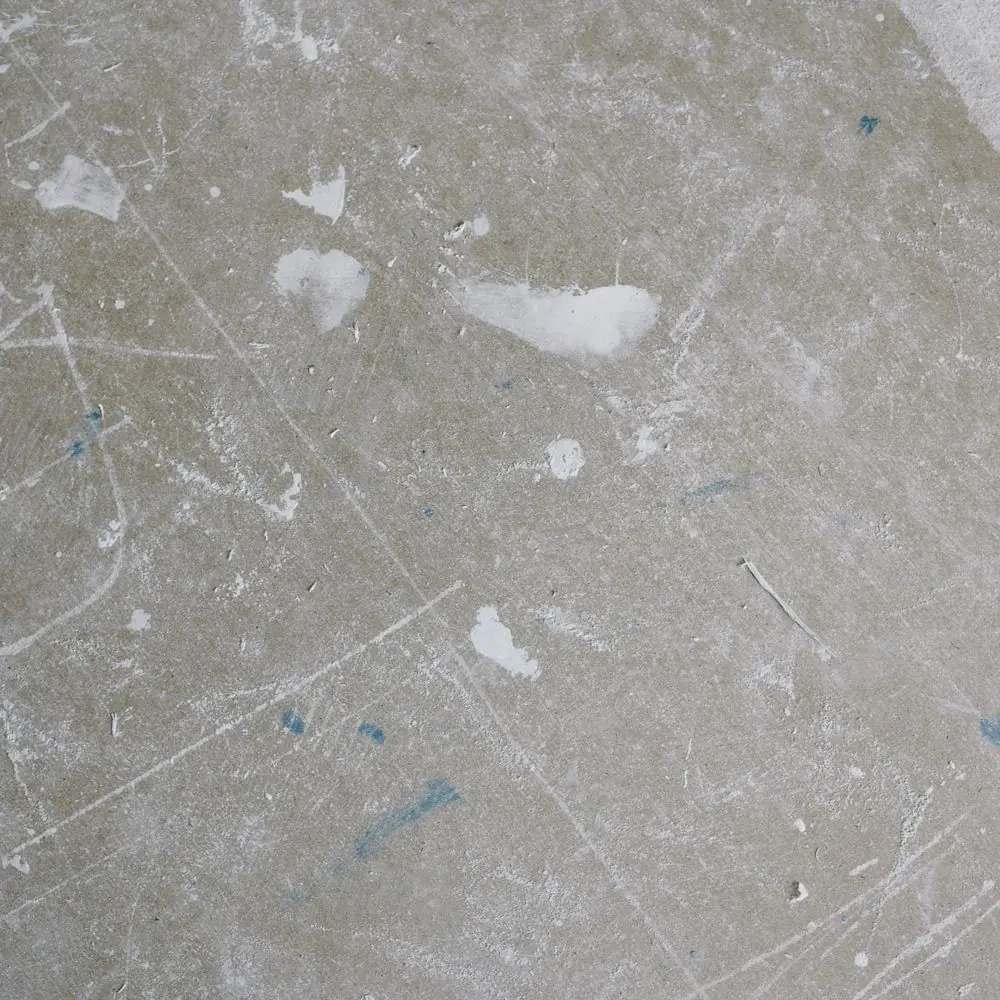
Silicone Render
Thin-coat through-colour systems from K Rend and Weber for a low-maintenance weatherproof face.
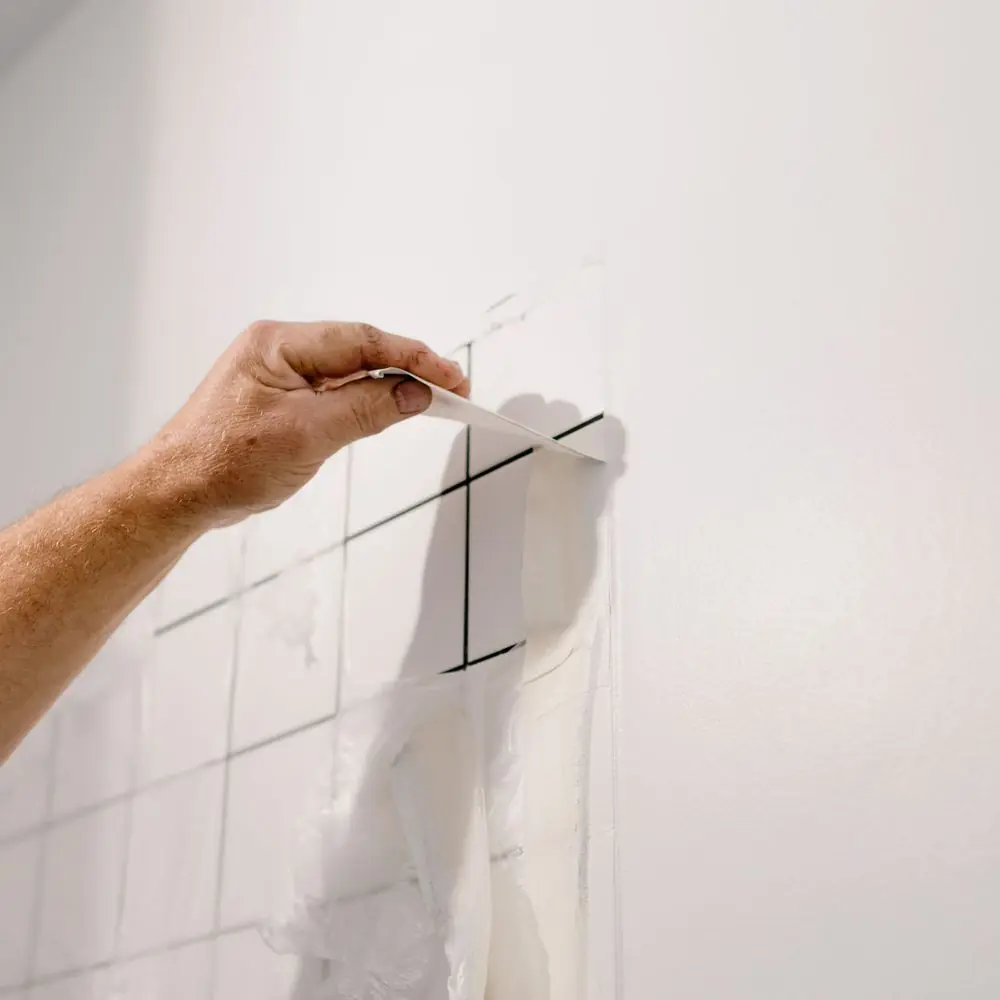
External Wall Insulation
Insulation boards fixed, meshed and rendered in one package for solid-wall houses.
Questions
If your question is not here, the quickest route is the contact page, where the same form and number sit with the map. Longer answers on drying times, blown plaster and render systems live in our plastering guides.
If it is sound, dry and well bonded, yes: a meshed base coat goes over it and a thin-coat silicone finish on top. If it is hollow or cracked through, it has to come off first. The test panel and tapping tell us which.
Often not good. Pebbledash was frequently used to hide poor or mixed brickwork, and removal pulls some of the face off. Most houses are re-rendered afterwards; a minority have brick worth exposing. We will tell you after the test panel.
Yes. It is broken off mechanically, so it is noisy and dusty, and it needs scaffold, sheeting and skips. We work elevation by elevation, clear debris daily and keep windows and doors protected.
Usually close enough for a repair patch to disappear once weathered, by matching the mix and the stone. A whole elevation is easier to match than a small patch on an old, dirty wall.
If the wall is solid rather than cavity, it is worth pricing. The scaffold and the new render are already in the job, so the extra is the boards. It makes the house warmer and drier as well as re-rendered.
Not usually for a house outside a conservation area, though changing the appearance of a listed or protected building can need consent. We will flag it at the survey if your house is affected.
Quick Quote
Room sizes, what the surface is now, and what you want it to be. A surveyor reads it before calling, so the visit is booked knowing what to bring.