

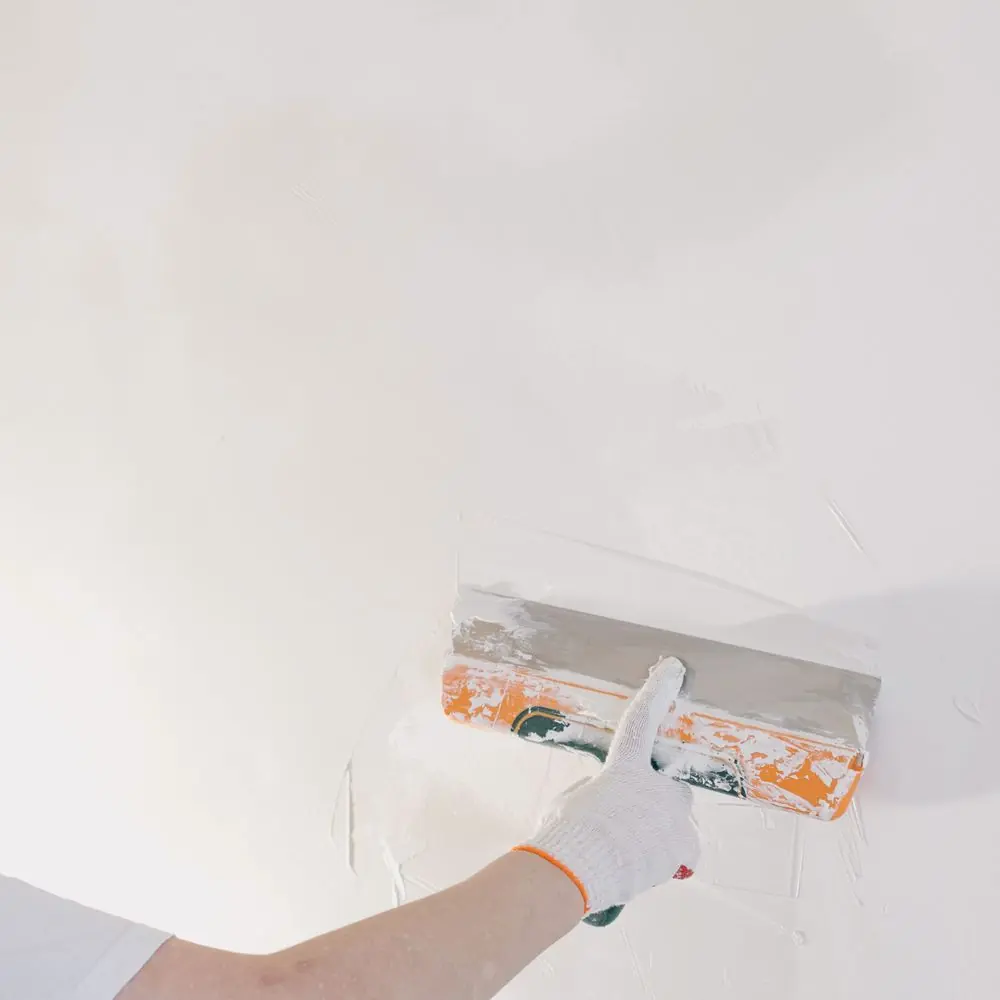
Plastering
plasterer in Leeds
Skimming, boarding and float-and-set for single rooms through to whole-house refurbishments.

Floor Screeding · Leeds and West Yorkshire
A level, sound floor is what every tile, plank and resin finish depends on. Pumped liquid screed for underfloor heating and big areas; sand and cement where falls, thickness or repairs call for it.
What the job covers
Screed is the layer between the structural floor and the finish you walk on. It levels the slab, covers the insulation and heating pipes, and gives tiles or timber a flat, stable bed. Get it wrong and every floor finish above it fails: lipping tiles, bouncing boards, a resin floor that maps every hump. Get it right and nobody ever thinks about it again.
Invicta lays both kinds. Pumped liquid screed floods a whole ground floor in a morning and self-levels around underfloor heating pipes. Traditional sand and cement screed is hand-laid to thickness and falls, and it remains the right answer for wet rooms, repairs and thicker build-ups. Both follow the strip-out and first fix and come before the wall plastering, and both are sequenced with the other trades so the floor is dry when the tiler arrives. The wider fit-out picture is on our services directory.
What a screeding job can include
A concrete slab is rarely flat enough or smooth enough to tile straight on to, and in a modern floor build-up it sits under insulation and heating pipes anyway. The screed goes over all of that to create the finished level: a dense, flat, dimensionally stable surface at the height the doors and skirtings are expecting. It also spreads point loads and holds heating pipes in intimate contact with the mass of the floor so the heat comes through evenly.
On a renovation, screed is how a floor that has been dug out and insulated is brought back up to the old threshold, and how a set of rooms at three different levels becomes one.
Liquid (flowing) screed is delivered ready-mixed, pumped through a hose and levelled with a dapple bar. It goes down fast, self-compacts around pipes with no voids, can be laid thinner than sand and cement, and dries to a very flat surface. Anhydrite versions must be sanded to remove laitance before tiling and are not for permanently wet areas; cement-based flowing screeds avoid those limits at a higher price.
Traditional sand and cement screed is mixed semi-dry, laid in bays, compacted and ruled off by hand. It is slower and needs more skill to get flat, but it can be laid to falls in a wet room, patched in a single room, built up thick over a poor slab, and tiled without special preparation. Most domestic jobs use one or the other; some use both.
Rough guide
Underfloor heating is the reason most people meet liquid screed. The pipes are clipped to the insulation, pressure-tested, and the screed is poured over them to the depth the system specifies. A flowing screed wraps the pipes completely, which is what makes the floor heat evenly and respond quickly. The pipes are held under pressure during the pour so nothing floats, and edge insulation lets the slab expand without cracking.
Once laid, the screed has to dry before the heating is run, and then the heating is brought up slowly over several days on a commissioning cycle before any tiles go down. We put the timings in writing so the plumber and the tiler are working from the same calendar.
Before any screed, the base is checked for level, soundness and moisture. Old adhesive, paint and laitance come off. Cracks are sealed. Insulation is laid tight-jointed with a membrane over it, perimeter strip around every wall, and the datum is set with a laser so the finished floor lands exactly where the doors, stairs and kitchen units need it. Movement joints are planned where the floor changes shape or spans a doorway.
On refurbishments where the existing floor is staying, a self-levelling compound over a primer takes out dips and ridges of a few millimetres without raising the level.
At home: extensions, kitchen-diners, garage conversions, whole ground floors being dug out and insulated, bathrooms and wet rooms. Commercially: retail units, offices, warehouses and workshops, plant rooms, and reinstatement of floors at the end of a lease. The material is the same; the difference is scale, the loads the floor will carry and the finish going on top, and each of those goes into the specification.
For main contractors we price from drawings and work to the programme, with the pump booked for the day the first fix is signed off.
Drying time is the constraint on any screed job: traditional screed dries at roughly a millimetre a day, so a thick floor can hold up a tiler for weeks. Where the programme cannot wait, modified fast-drying screeds and cement-based flowing screeds cut that dramatically, and self-levelling compounds over a sound base can be walked on the same day. They cost more per metre; they save far more in a stalled programme.
We will tell you what the floor actually needs and what the calendar allows, and quote the option that fits both.
On the day: the base is prepared and the datum set, the pump is parked outside with the hose run through, and the screed is poured bay by bay, levelled with a dapple bar or ruled off by hand, and left. A whole domestic ground floor is poured in a few hours. The building is then closed up and the floor left to cure with ventilation controlled, walked on after a day or two, and loaded when the manufacturer says so.
Anhydrite floors are sanded to remove laitance once dry, and a moisture test confirms the screed is ready before tiling or timber goes down. That test is the last thing we do before signing the floor off.

levels and loads
The base checked for level, soundness and moisture; finished floor height fixed from doors and stairs; heating and insulation build-up agreed with the plumber.
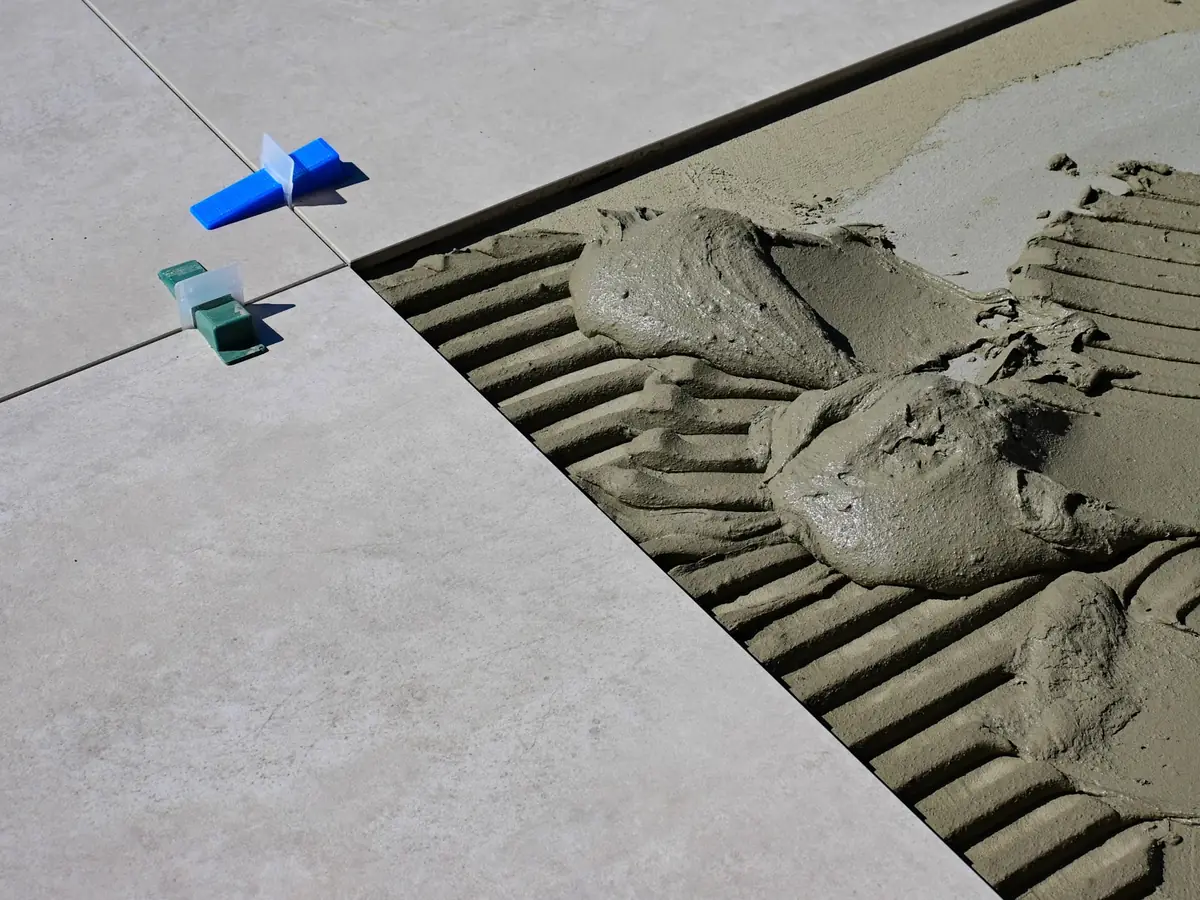
datum, membrane, joints
Insulation, membrane and edge strip laid, movement joints set, pipes pressure-tested, laser datum marked around every wall.
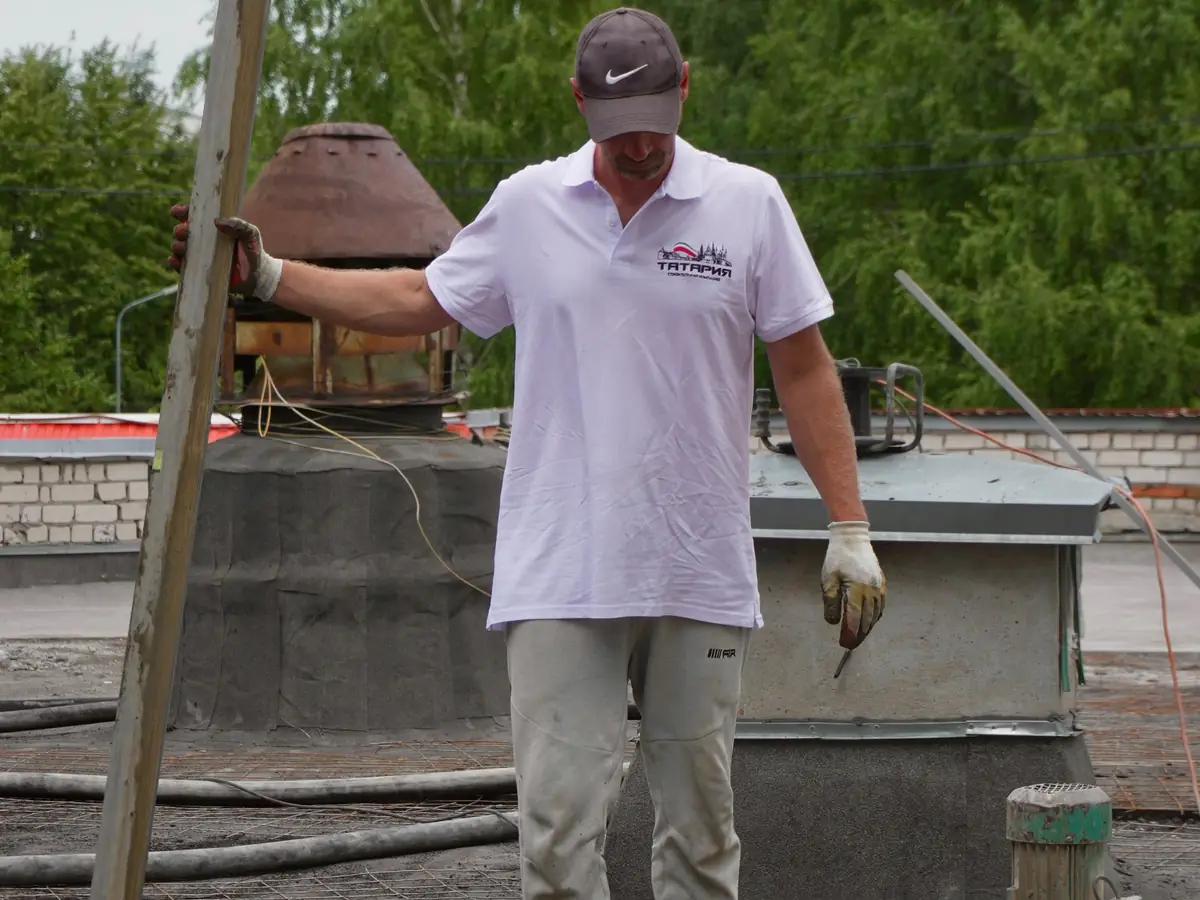
one visit
Liquid screed pumped and levelled bay by bay, or sand and cement laid, compacted and ruled off by hand to thickness and falls.
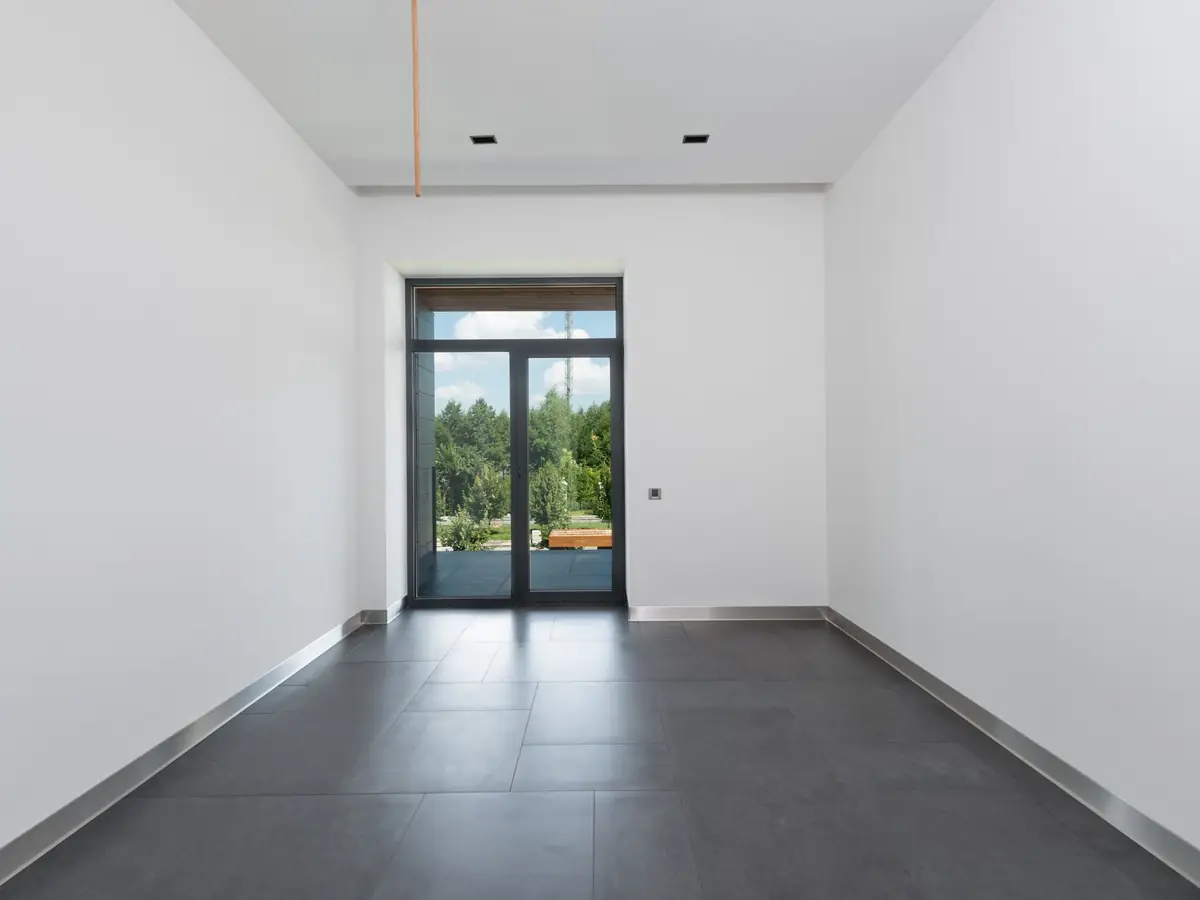
moisture tested
Ventilation controlled, laitance sanded where needed, a moisture test before the floor is handed to the tiler with drying and commissioning times in writing.
Next step
Square metres, the finish going on top, and the date the tiler is booked. A surveyor calls back to check levels and book the pump.
Ask to see a finished floor screeding job like yours before you book. The survey is where that conversation starts.
Quick Quote OnlineAreas covered
We are a service-area business: no showroom, the team travels to you. Floor Screeding is quoted from the same survey visit in every town on the list, and the map shows where we are based.
Leeds postcodes come first, then Bradford, Wakefield, Dewsbury, Huddersfield, Halifax, Harrogate and Barnsley, with the smaller towns between them on the same run. The full list of fifty is on the areas we cover.
Related services
Plastering
Skimming, boarding and float-and-set for single rooms through to whole-house refurbishments.
Drylining Walls
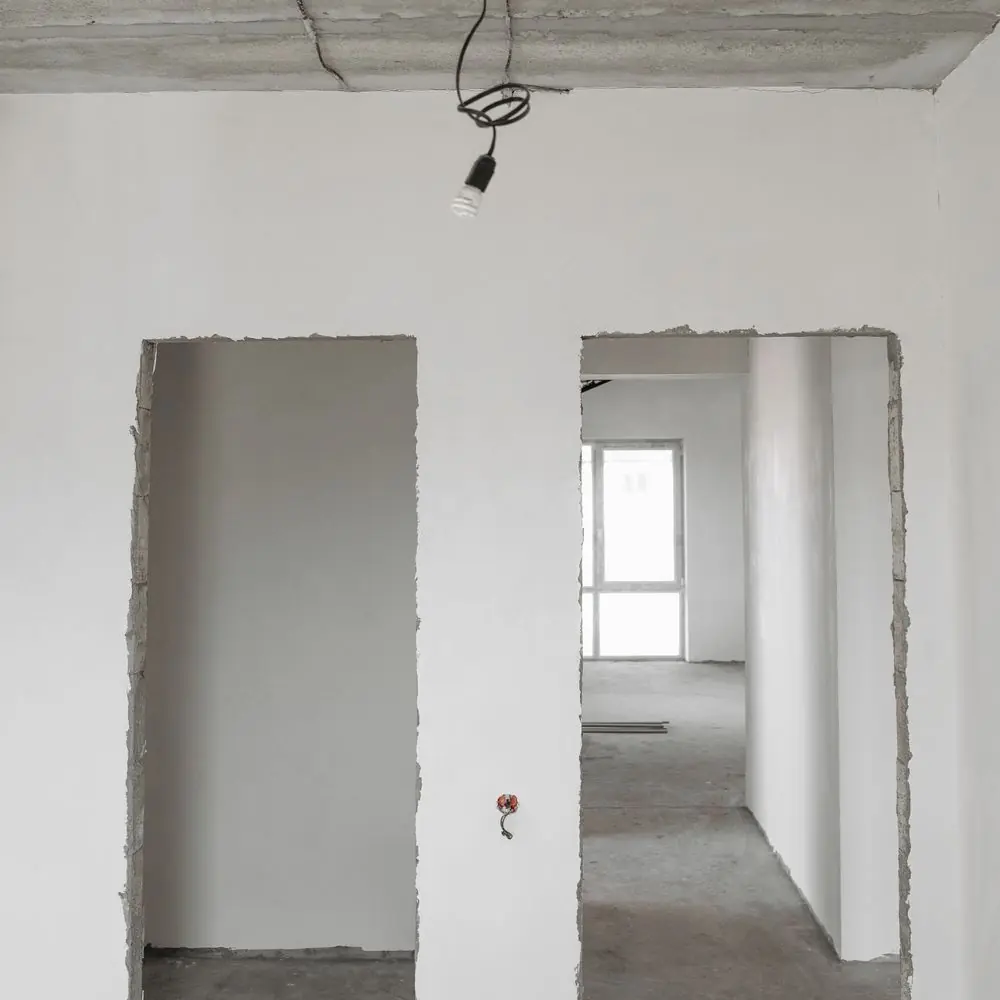
Dot and dab, metal-frame linings and tape-and-joint, left ready for skim or paint.
Dilapidations Contractor
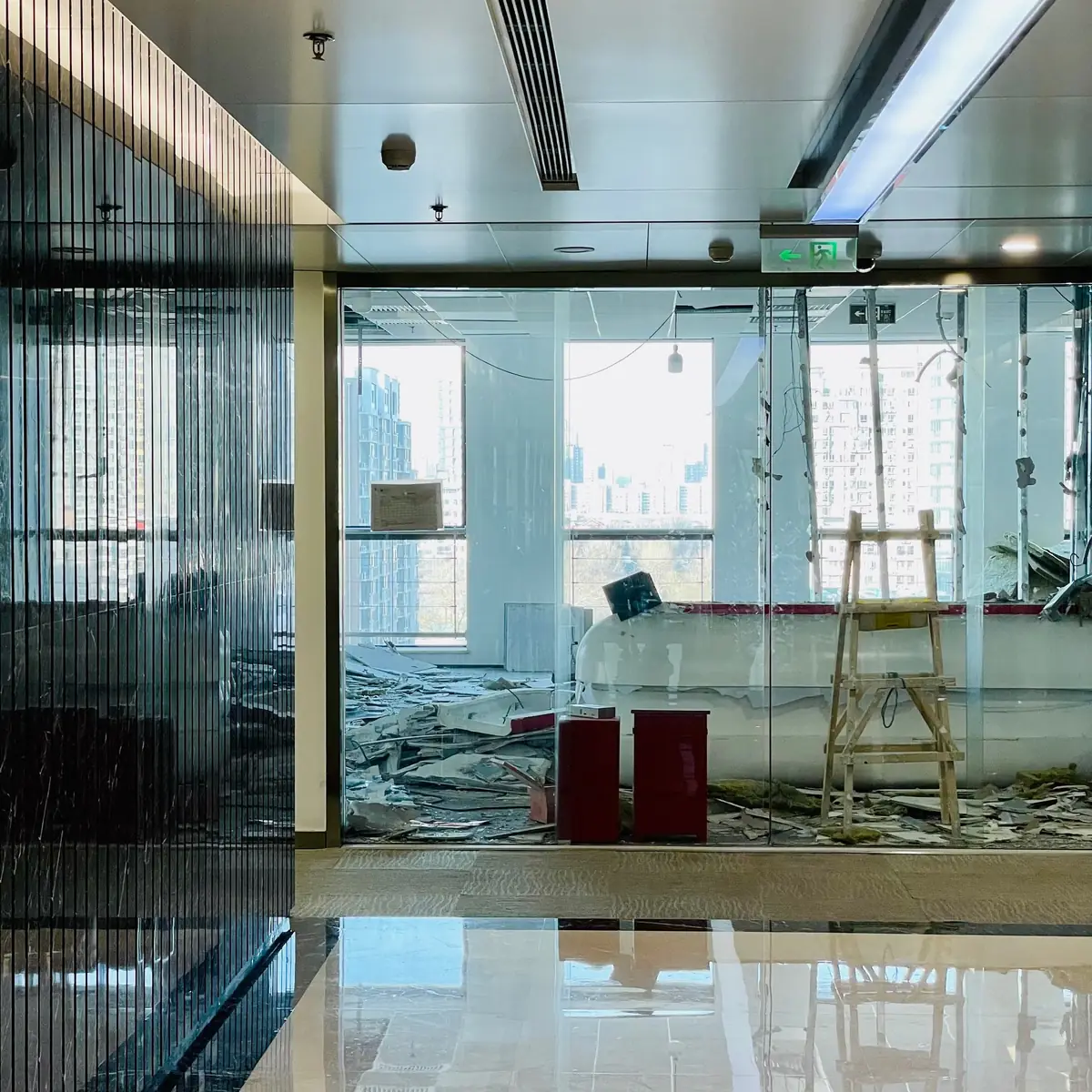
End-of-lease dilapidation works that return walls, ceilings and internal finishes to an agreed condition.
Questions
If your question is not here, the quickest route is the contact page, where the same form and number sit with the map. Longer answers on drying times, blown plaster and render systems live in our plastering guides.
Traditional sand and cement dries at roughly a millimetre per day of thickness in good conditions, so a 65mm screed is several weeks. Liquid screeds are quicker and fast-drying systems quicker still. We give a drying calendar at handover and moisture-test before tiling.
Liquid for whole floors, underfloor heating and where flatness and speed matter. Sand and cement for wet rooms laid to falls, single-room repairs and thick build-ups. The survey decides and the quote explains the choice.
Yes, that is the most common job. Pipes are pressure-tested and held under pressure during the pour, the screed is laid to the depth the system specifies, and the heating is commissioned slowly once the floor is dry.
Usually not. The rooms being screeded are off limits for a day or two, then can be walked on carefully. Furniture and appliances come out beforehand and go back once the floor can take load.
Often, with a self-levelling compound over a primer, which takes out dips of a few millimetres without changing the level. Bigger problems need a proper screed or the floor taken up. We will measure it and tell you.
Anhydrite (calcium sulphate) screed is fine in a bathroom that is tanked properly but not for a floor that will be permanently wet. For wet rooms we lay sand and cement to falls or a cement-based flowing screed.
Quick Quote
Room sizes, what the surface is now, and what you want it to be. A surveyor reads it before calling, so the visit is booked knowing what to bring.