

Artex Removal
Artex removal
Artex assessment, overboarding or removal, followed by repairs and a new smooth ceiling finish.
Plastering · Leeds and West Yorkshire
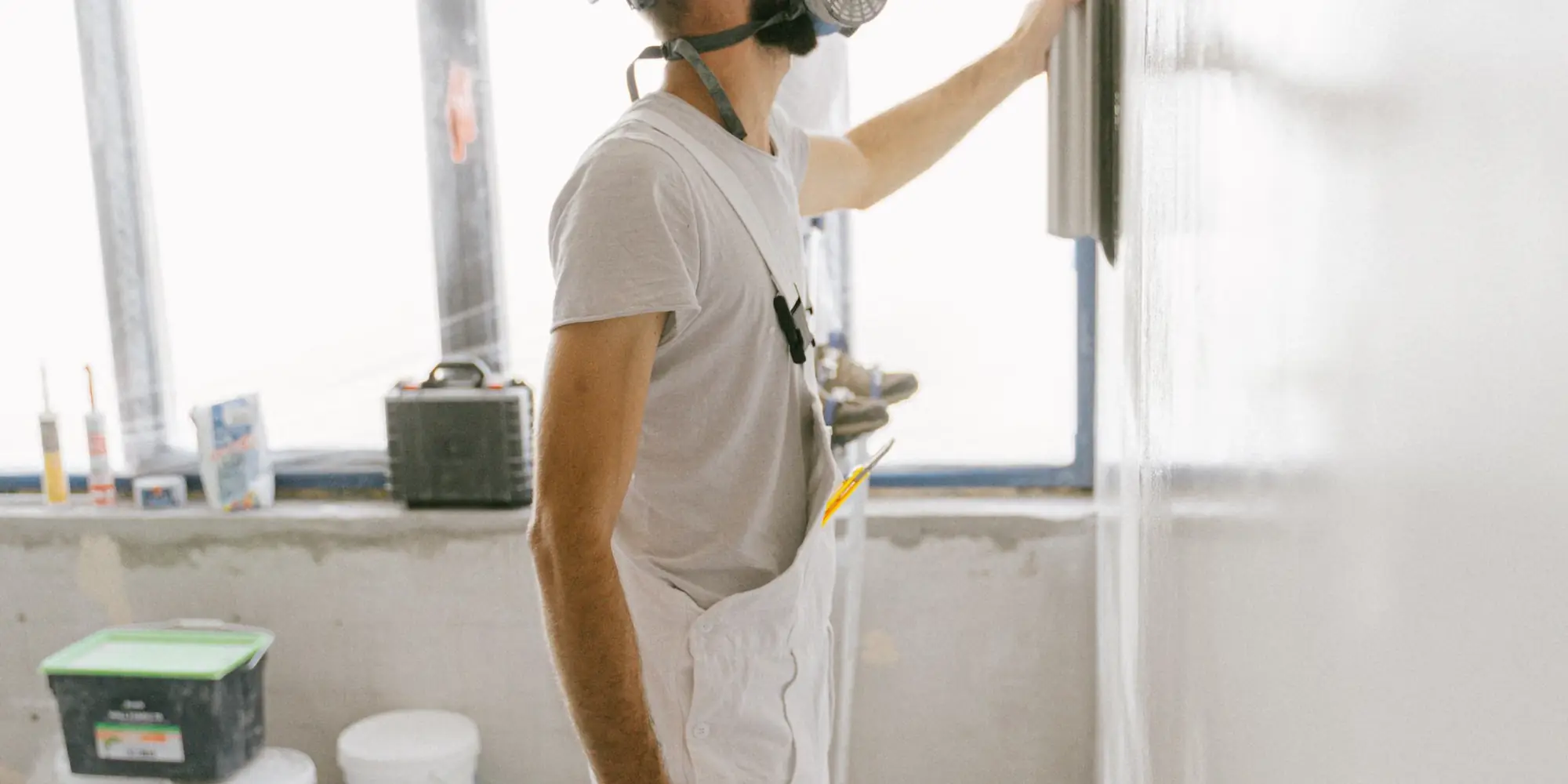
Walls that ring hollow, ceilings that have cracked along the joists, a kitchen wall that needs skimming after the tiles came off. Internal plastering for homes, landlords and site managers across Leeds and West Yorkshire.
What the job covers
Most plastering calls in Leeds come from houses built before the war: solid brick walls with plaster that has lost its key, lath ceilings that have sagged, and rooms where a previous owner has papered over cracks for thirty years. The job is rarely just a skim. It starts with finding out what the wall is made of and what is holding the old plaster on, then choosing the coat that will stay flat on that background for the next few decades.
Invicta covers the full range of internal work: two-coat skim over sound plaster, bonding and finish over bare brick, overboarding tired ceilings, and float and set where a wall needs building back to true. Where the survey finds damp or an old textured ceiling, the damp and mould treatment or Artex removal is priced into the same quote rather than left for you to arrange separately. The rest of what we do sits on our construction finishes directory.
What a plastering job can include
A single feature wall gets the same setting-out as a whole house. On domestic work that usually means one or two rooms at a time so the household can keep living around the job, with furniture moved to the centre and sheeted, and each room left mist-coat ready. On refurbishments and new-build plots we take the whole internal envelope: boarding, tape and joint or skim, ceilings and reveals, worked to a programme with the other trades.
Landlords and agents use us for turnaround work between tenancies, where the brief is usually walls flat enough to paint and a date the decorator can rely on. Site managers use us because one directly employed gang covers the drylining and the skim, so nobody is waiting on a second subcontractor to finish what the first one started.
Skimming is the finish most people picture: a thin two-coat layer of finishing plaster trowelled over a sound background, flattened as it firms up and polished as it sets. Done properly it hides the joints in plasterboard, the trowel marks of an older skim, and the small dents and blemishes that years of hanging pictures leave behind. What it cannot do is hide a hollow, damp or crumbling wall, which is why every skim starts with a tap-test and a scrape.
Where the existing plaster is painted with something glossy, or where old wallpaper paste has soaked in, the wall is keyed and primed before any plaster goes near it. Beads go on the external corners and around reveals so the edges are straight and stay straight. Ceilings are skimmed in a single continuous pass so there is no visible join across the middle of the room.
Backgrounds we skim over
Plaster inside and render outside are the same trade with different materials, and on a lot of Leeds gables the two problems arrive together: water gets through a cracked render, the inside plaster blows, and the cheap fix is to skim over the damp patch and hope. We would rather look at the outside first. The house rendering side of the business covers sand and cement, monocouche and thin-coat systems, and it is quoted by the same surveyor on the same visit.
If the outside is sound and the problem is condensation or an old bridged damp course, the plastering quote says so. Nobody benefits from a new skim on a wall that will be wet again by February.
Where a wall is too far gone to save, or a room is being reshaped, plasterboard is usually the quicker and drier route than building the plaster back up in thick coats. Dot and dab on brick and block, screw-fixed board on timber or metal frames, and moisture-resistant board in kitchens and bathrooms all come under the same roof. Boards are taped and set or skimmed depending on the finish you want and the budget you have.
New stud wall installation for a home office, an en-suite or a split bedroom is framed, insulated, boarded and skimmed by the same team, so the new wall and the old walls around it are finished to the same standard on the same day.
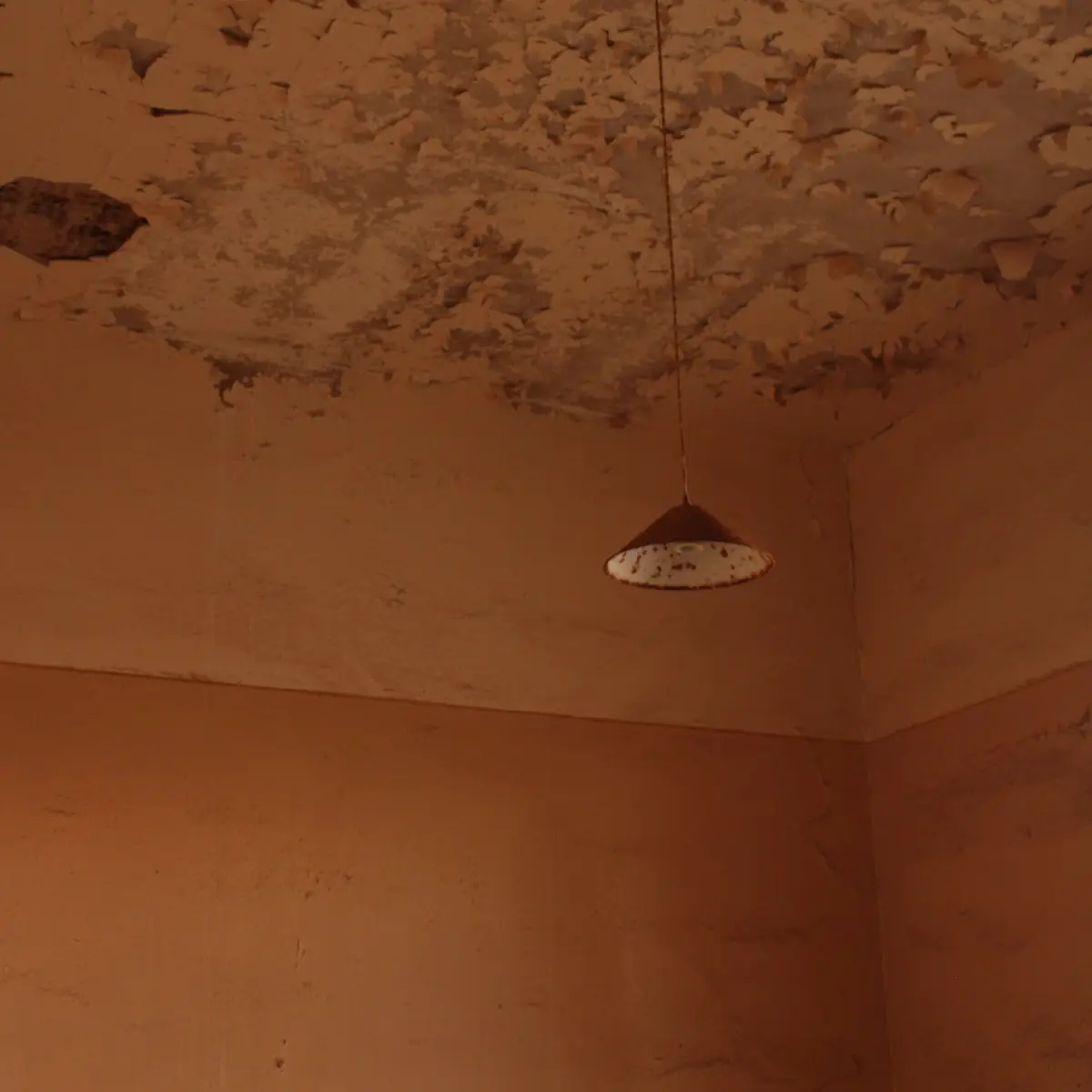
A textured ceiling is either skimmed over, overboarded or taken down, and which one depends on its age and what it is made of. Older coatings can contain asbestos fibres and are tested before anything is disturbed. Once the ceiling is cleared for work, most are overboarded with a fresh sheet of plasterboard and skimmed, which gives a new flat ceiling without a day of scraping.
Repairs follow the same principle: cut back to something sound, then rebuild. A crack that keeps returning is usually movement or a failed lath, and filling it again is a waste of a Saturday. We will tell you which it is.
A room is not finished at the ceiling line. Plain cove and period cornice are supplied and fitted as part of the plastering job, mitred at the corners and filled so the joins disappear under paint. On older houses where the original mouldings survive in the hallway and have been lost elsewhere, the profile can be matched so the new rooms read as part of the same house. The coving and cornice page covers profiles, ceiling roses and repairs in more detail.
For feature walls that want a finish rather than paint, polished plaster and microcement are applied by the same team, on a properly prepared skim.
Skimming is the right answer when the wall underneath is dry, solid and roughly flat. It is the wrong answer when the plaster sounds hollow across more than a few patches, when the surface is damp to a meter, or when the wall is so far out of true that the skim would be an inch thick in one corner and nothing in the other. In those cases the honest quote is to hack off and float, or to board, and it will say so.
A room-by-room survey, tapping every wall and metering the low corners, is how that decision gets made before the price rather than on the day. A full skim to a typical room is usually two visits: one to prepare and coat, one to check, snag and hand over drying advice.
every wall tapped
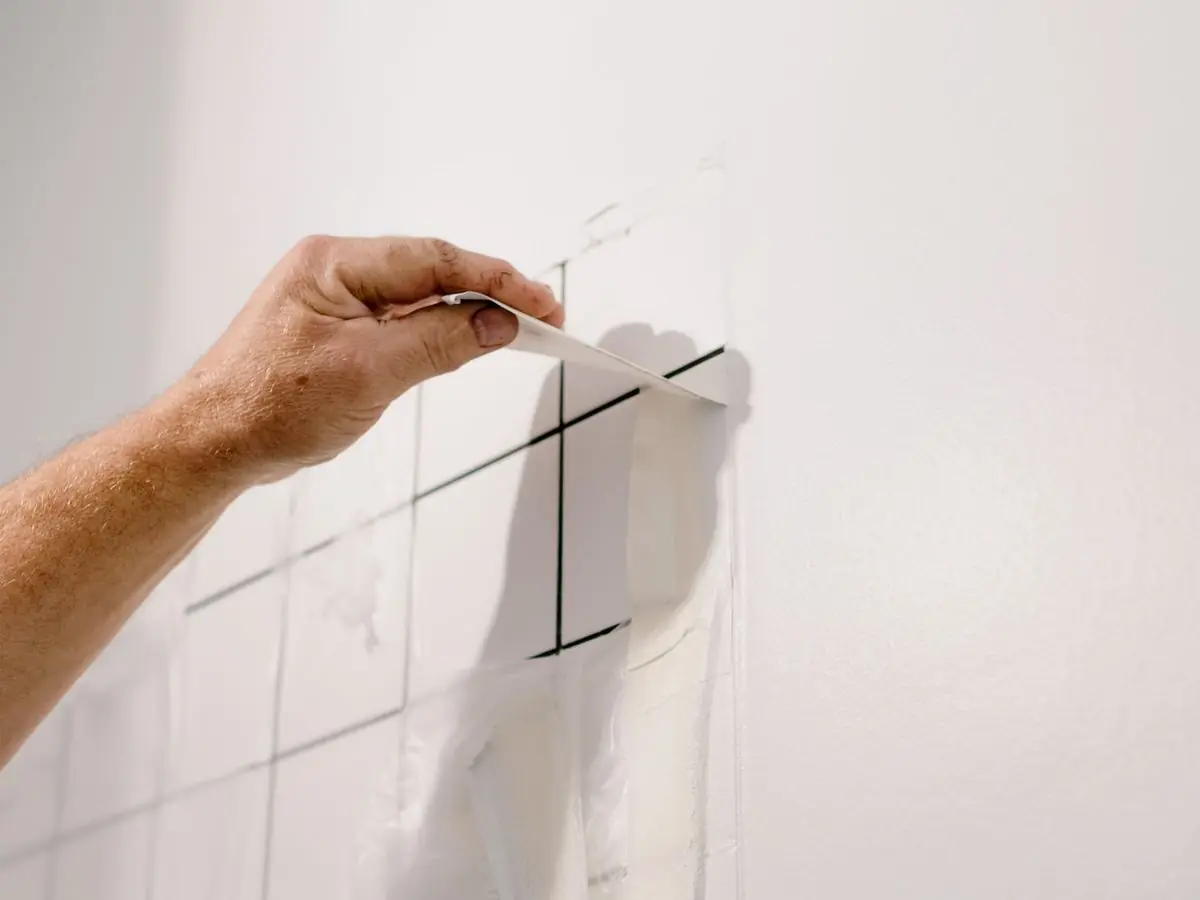
Walls tapped for hollow plaster, corners metered for damp, ceilings checked for texture and sag. The quote is built from what is found, not a rate per square metre.
the slow part
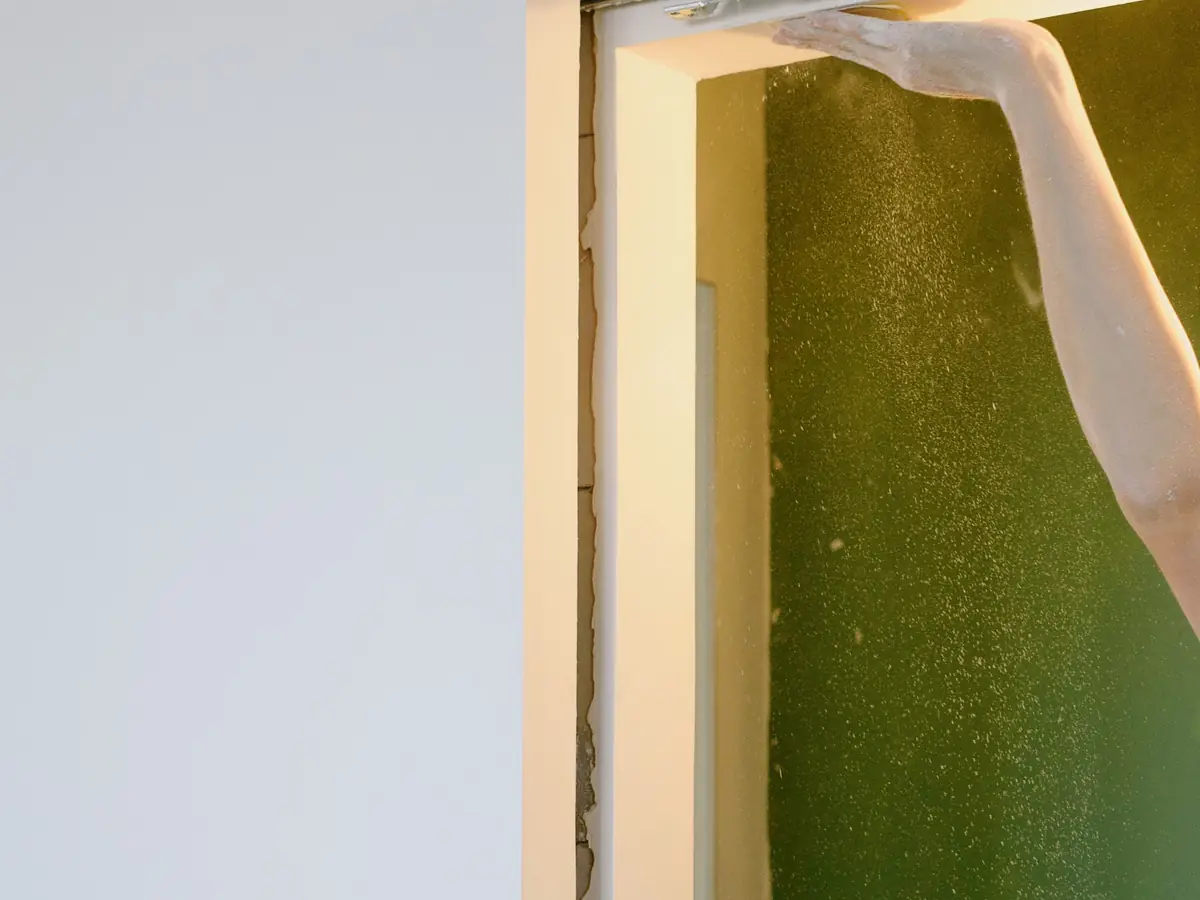
Sheeting, stripping, keying and priming, beads on every external corner. Loose or blown plaster comes off back to something that will hold a key.
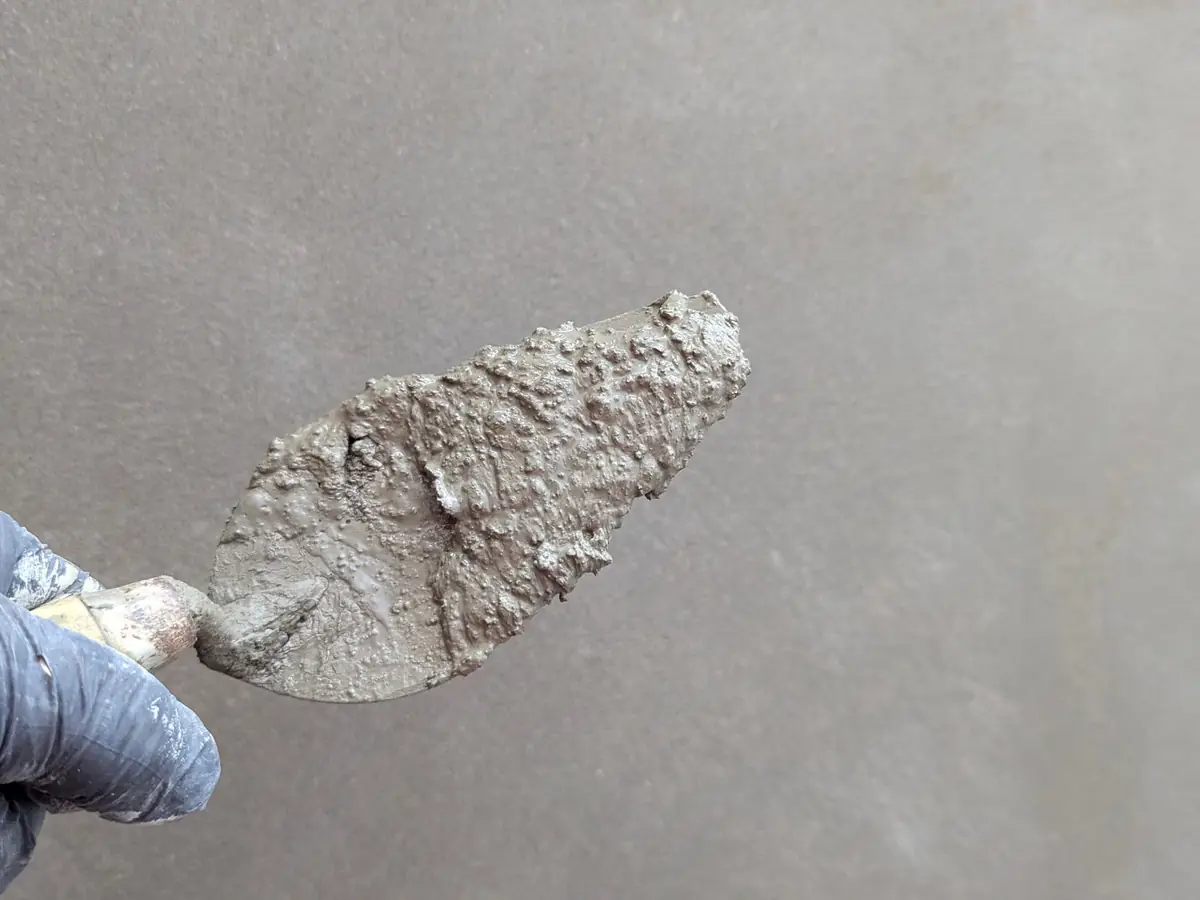
two coats, one pass
Bonding or hardwall where the wall needs building, then finishing plaster laid in two coats and trowelled up as it firms. Ceilings in one continuous pass.

mist coat ready
Sheets out, floors hoovered, and written drying and mist-coat advice so the decorator does not seal moisture into a fresh wall.
Next step
Two minutes on the form, then a surveyor calls to book the visit. If you would rather talk it through, ring and describe the walls and we will tell you what the survey needs to look at.
Ask to see a finished plastering job like yours before you book. The survey is where that conversation starts.
Quick Quote OnlineAreas covered
We are a service-area business: no showroom, the team travels to you. Plastering is quoted from the same survey visit in every town on the list, and the map shows where we are based.
Leeds postcodes come first, then Bradford, Wakefield, Dewsbury, Huddersfield, Halifax, Harrogate and Barnsley, with the smaller towns between them on the same run. The full list of fifty is on the areas we cover.
Related services
Artex Removal
Artex assessment, overboarding or removal, followed by repairs and a new smooth ceiling finish.
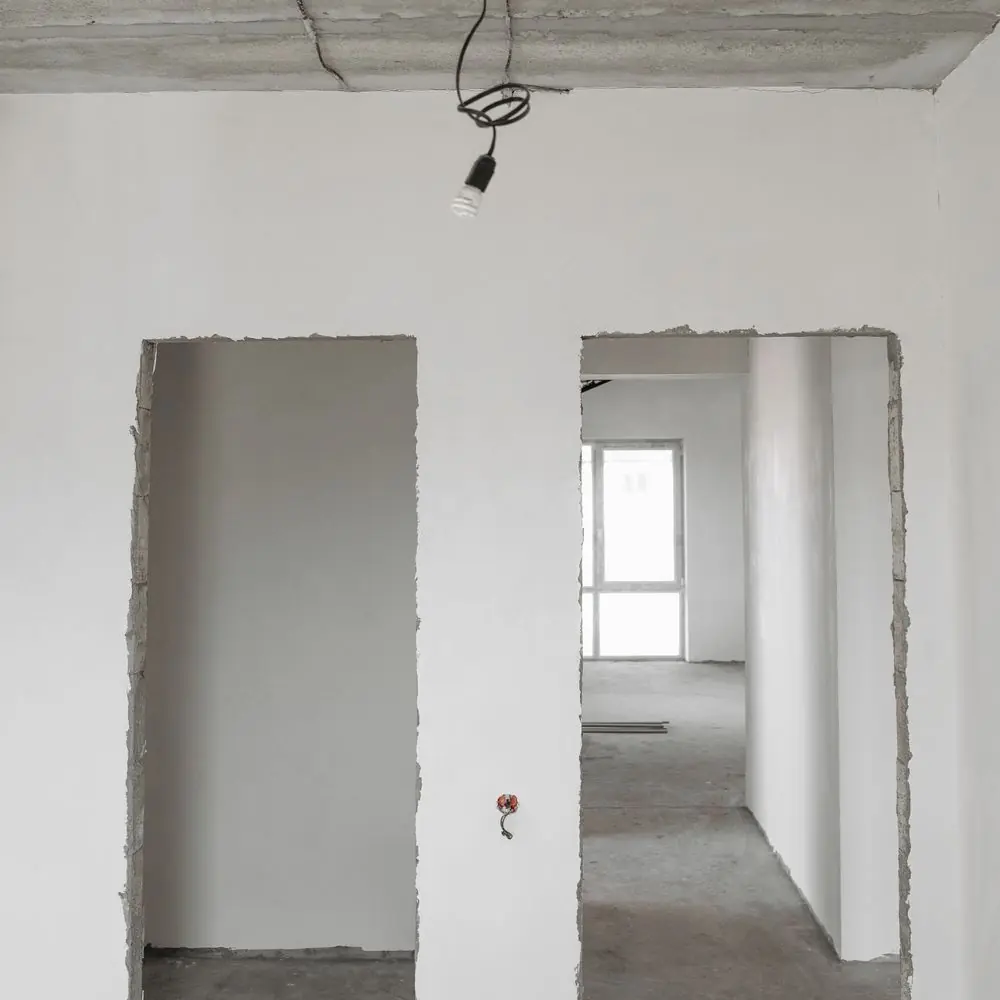
Drylining Walls
Dot and dab, metal-frame linings and tape-and-joint, left ready for skim or paint.
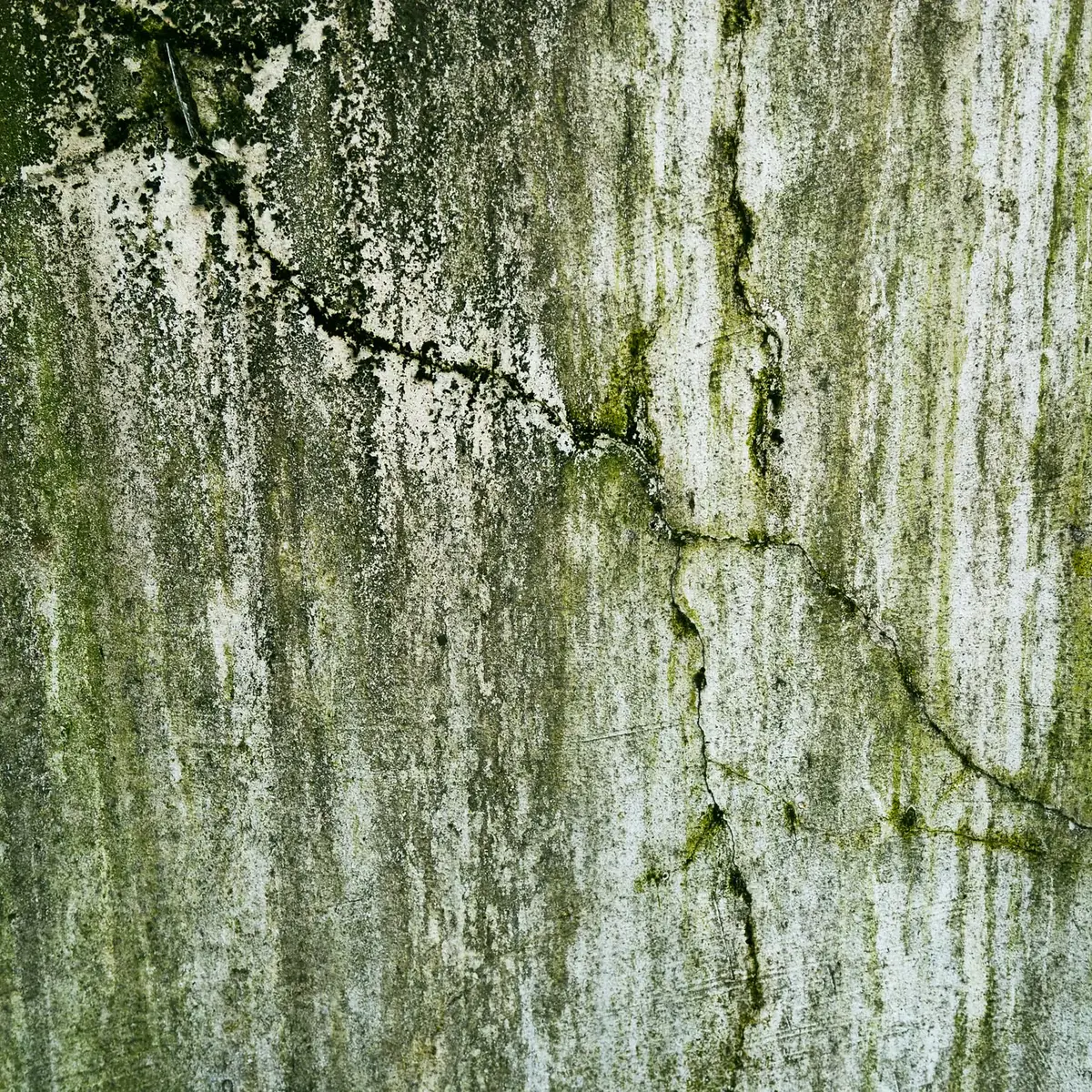
Damp & Mould Treatment
Investigation-led damp and mould treatment with affected finishes repaired once the cause is understood.
Questions
If your question is not here, the quickest route is the contact page, where the same form and number sit with the map. Longer answers on drying times, blown plaster and render systems live in our plastering guides.
If the plaster underneath is dry, firm and reasonably flat, yes. The survey taps every wall; where it sounds hollow across large areas, or a meter shows damp, the quote will say hack off and float, or board, because a skim over blown plaster fails within a year.
A skim on plasterboard is usually ready for a mist coat within about a week in a heated, ventilated room. Float and set on solid walls takes longer, often several weeks, and the colour tells you: fully dry plaster is pale and even, damp plaster stays dark in patches. We put drying advice in writing at handover.
Yes. Ceilings are skimmed in a single pass so there is no join, and where an old lath or textured ceiling is cracked but sound we usually overboard it with fresh plasterboard and skim that, which is quicker, cleaner and flatter than trying to rescue the original surface.
Plastering is wet work, so floors, stairs and furniture are sheeted before anything starts and the room is hoovered at the end of every day. Hacking off old plaster is the dusty stage; where it is needed we say so at the survey so you can plan around it.
A lot of Leeds work is void turnaround for landlords: walls made flat enough to paint, ceilings sorted, and a firm date the decorator can rely on. We can quote from photographs and a floor plan for straightforward jobs and survey the tricky ones.
It depends on the background, the condition of the existing plaster, the height of the rooms and how much preparation is needed, which is why we survey rather than quote a rate per square metre. The written quote lists every stage so you can see what you are paying for.
Quick Quote
Room sizes, what the surface is now, and what you want it to be. A surveyor reads it before calling, so the visit is booked knowing what to bring.