

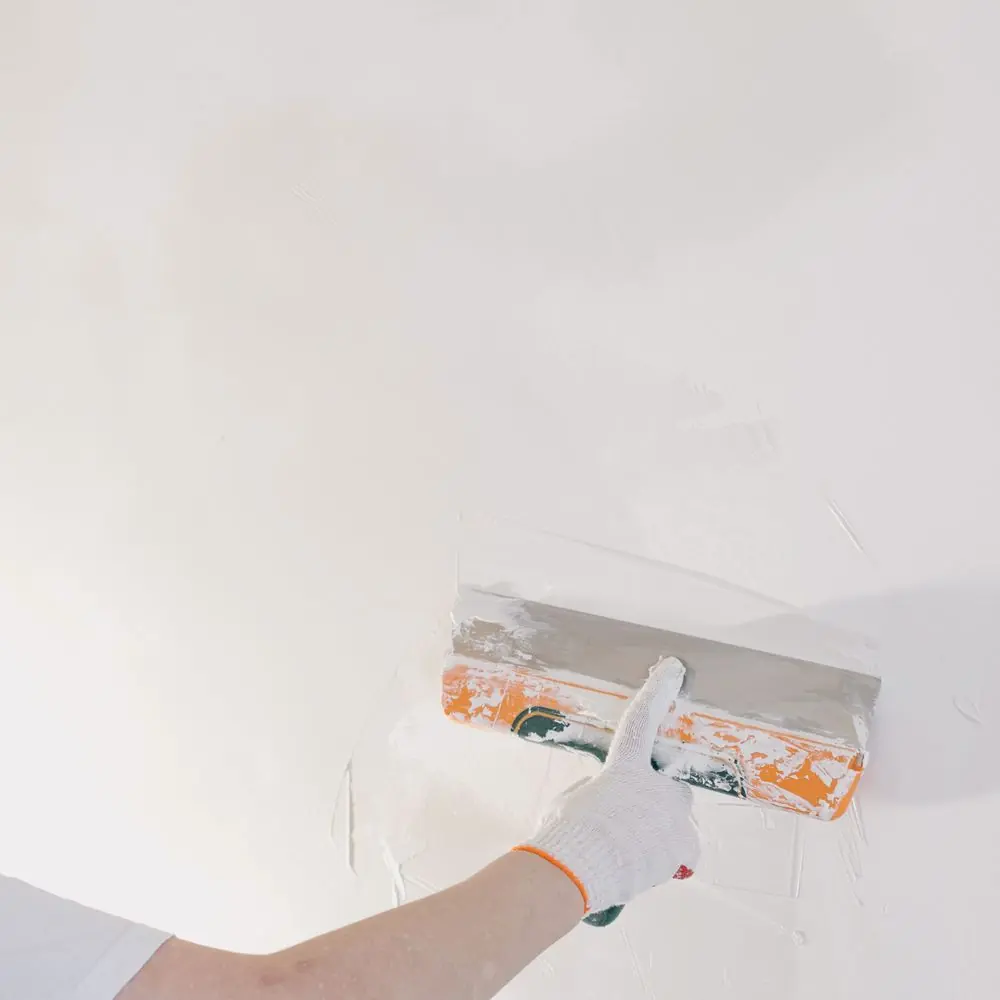
Plastering
plasterer in Leeds
Skimming, boarding and float-and-set for single rooms through to whole-house refurbishments.
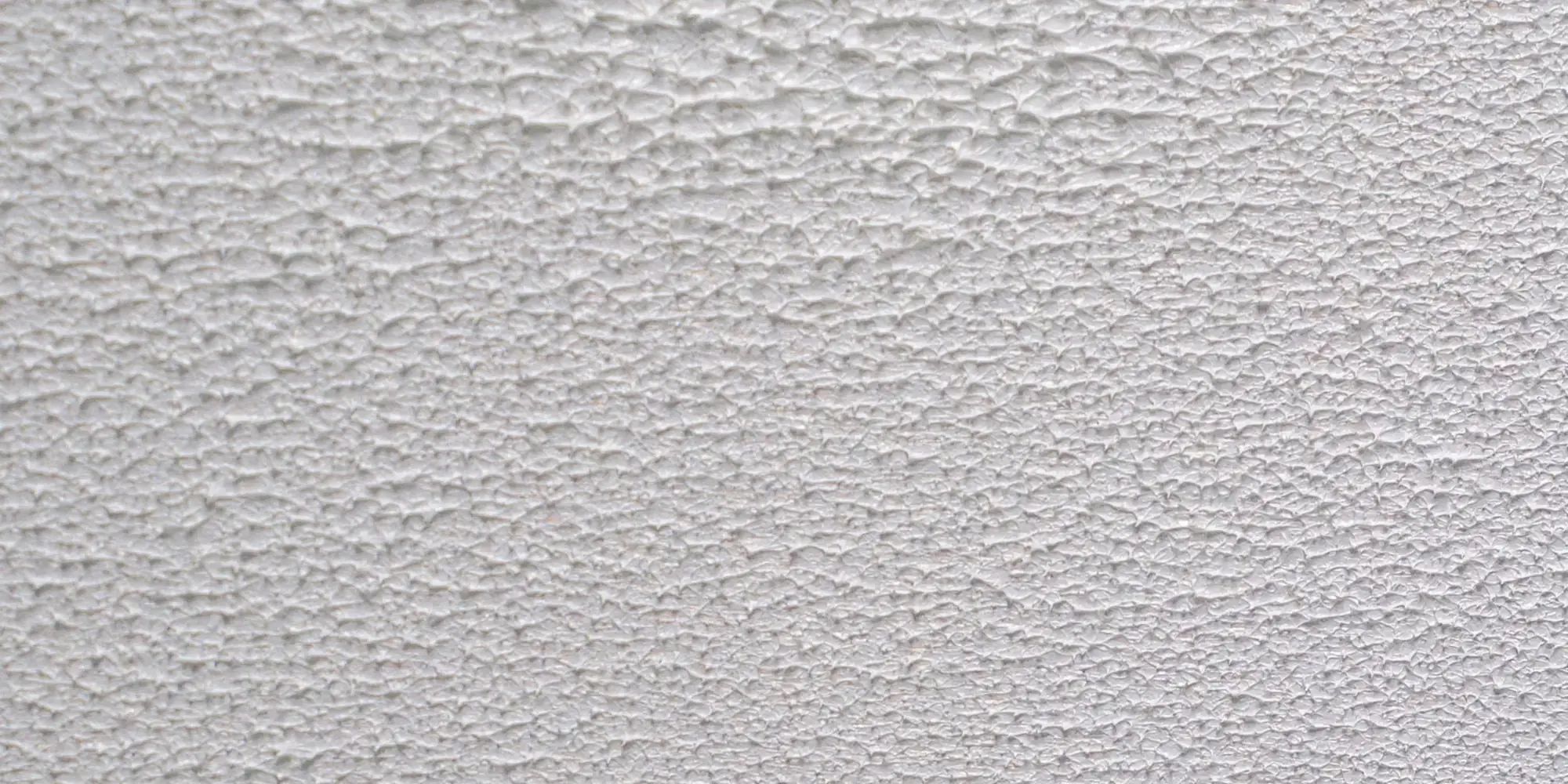
Artex Removal · Leeds and West Yorkshire
Swirls, stipples and fans on the ceiling date a house instantly and can hide asbestos in the older coatings. Tested first, then removed, overboarded or skimmed, and handed back as a smooth ceiling.
What the job covers
Artex is the trade name that stuck to every textured ceiling coating applied from the 1960s to the 1990s. It was quick, it hid poor ceilings, and until the mid-1980s many formulations contained white asbestos to bind the texture. That single fact shapes how the job is done: an old textured ceiling is treated as suspect until a sample says otherwise, and the method for getting rid of it depends on the result.
Invicta deals with textured ceilings in three ways: a plaster skim over a sound, asbestos-free texture; overboarding with new plasterboard and a skim where the coating is best left undisturbed; or full removal where the ceiling needs rebuilding. The finish in every case is a flat, smooth ceiling, which is what the rest of our plastering and skimming is about. Where the ceiling has cracked because the lath behind it has failed, the repair is part of the same job, and a room that is being reshaped can have its new drylining done at the same time.
What an Artex job can include
Removal in the literal sense means softening and scraping the coating off, or taking the whole ceiling down and starting again. Both are messy and, on an asbestos-containing coating, both are controlled work. In practice the majority of Leeds ceilings are dealt with by overboarding, where a fresh sheet of plasterboard is screwed up through the texture into the joists and skimmed, so the old coating is sealed in place and never disturbed. It is quicker, cleaner and gives a flatter ceiling than scraping.
The right method is decided after the test result and a look at the ceiling: its condition, its height, what is above it and what you want at the end.
Textured coatings applied before the mid-1980s may contain chrysotile asbestos, and coatings applied up to the end of the decade are not guaranteed to be free of it. Intact, sealed under paint and left alone, the coating releases nothing. Sanded, scraped dry or drilled, it releases fibres. That is why we do not sand or dry-scrape any textured ceiling until a sample has been tested, and why a positive result changes the method entirely.
Asbestos-containing textured coatings can be removed by contractors following the correct controlled procedures; more often the sensible decision is to leave the coating sealed and overboard it.
The visit looks at the age of the house and the ceiling, the type and condition of the coating, cracks and sagging, staining from leaks, and the height of the room. A small sample is taken carefully, sealed and sent to an accredited laboratory, and the result comes back within a few days. Meanwhile the ceiling is measured and the options priced so that whichever way the test goes, the quote is ready.
If you already have an asbestos survey or a test certificate for the house, bring it; it saves a week.
Where the coating is asbestos-free and removal is the right route, it is softened with a steamer or a removal gel and scraped wet, never sanded dry, with the room sheeted floor to ceiling and the operatives in masks. The scrapings are bagged in the room. Where the whole ceiling is coming down, the plasterboard or lath and plaster is dropped on to sheeting in sections, cleared, and the joists are checked and made ready for new board.
Where the coating contains asbestos, removal is a controlled job under the relevant regulations, and overboarding is usually the better option for a domestic room.
The three routes
Scrapings, dust sheets and old board are bagged in the room and taken away, with asbestos-containing waste handled and disposed of separately through a licensed route. Sockets, fittings and the light are protected or removed while work is on, floors and stairs sheeted from the door in, and the room hoovered with a fine filter at the end of each day. A textured ceiling job should leave a smooth ceiling and nothing else.
The new ceiling is left to dry and you get mist-coat advice in writing, as with any skim.
What drives the price of a textured-ceiling job: the ceiling area and height, the test result, the route chosen, the condition of what is behind the coating, and how much the room has to be protected and emptied. Skimming over is the cheapest; overboarding sits in the middle; removal and rebuilding is the most work. Testing is a small fixed cost and always worth it. The written quote sets out testing, the method, boarding, skim and disposal on separate lines.
A landlord with several ceilings in one house gets them priced together, because the sheeting, the test and the setting-up are shared.
Leave it if it is sound, sealed under paint, you do not mind the look, and nothing is going to disturb it. Skim it if the test is clear and the texture is low and firm. Overboard it if the coating contains asbestos, if the ceiling is cracked but the structure is sound, or if the texture is too heavy to skim flat. Remove and rebuild it if the ceiling is sagging, water-damaged, or the lath behind has failed. Each of those is a normal outcome and the survey will tell you which yours is.
The one thing not to do is let anyone sand it or drill it without a test.
A textured ceiling is a plastering job with an asbestos question in front of it, and the two parts need different care. The plastering part decides whether the ceiling ends up flat: a skim over texture has to be built up in the right coats or every swirl telegraphs through, and overboarding needs the joists found and the boards fixed properly or the new ceiling cracks along the joints. The asbestos part decides whether the job is safe.
Our team does the plastering every day and treats the testing as a fixed first step, which is the combination a textured ceiling needs.
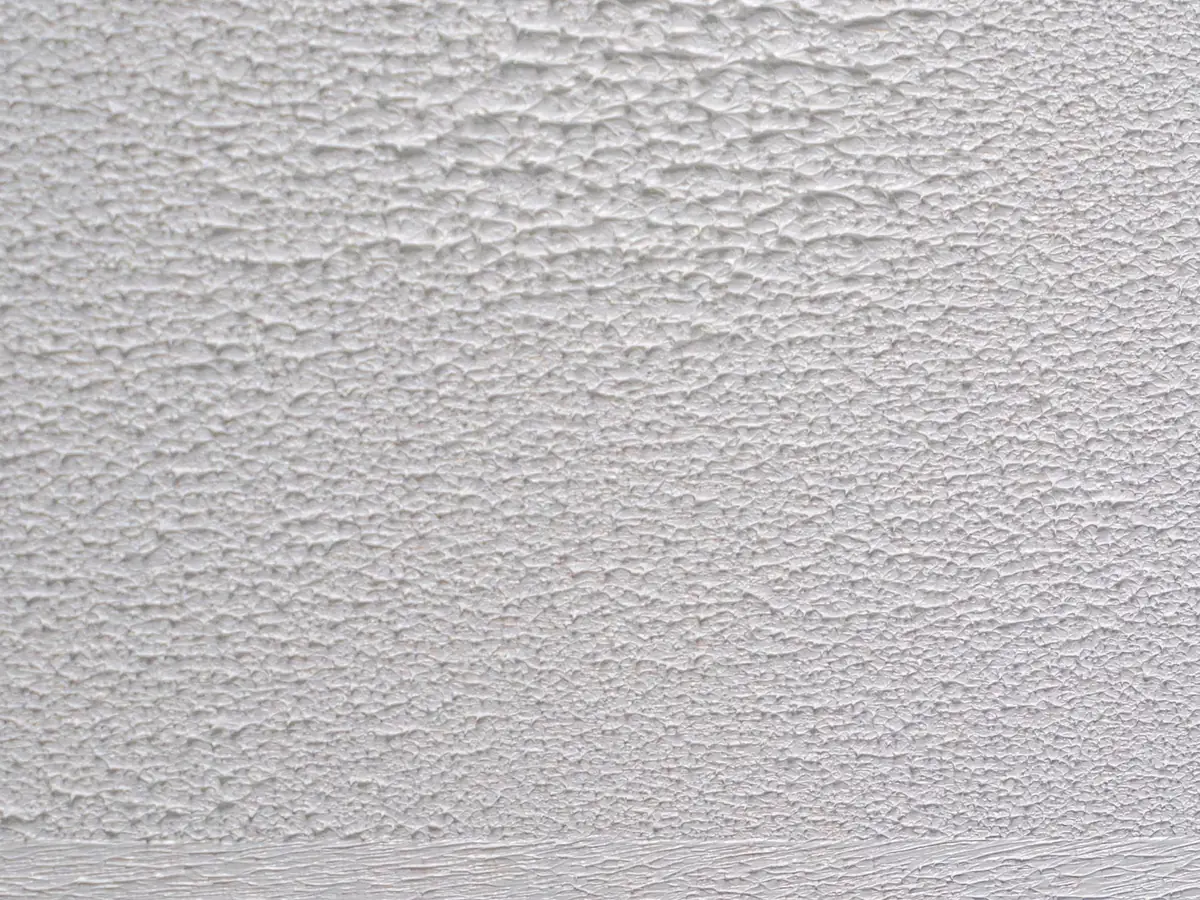
before anything
A sample sealed and sent to an accredited laboratory. Nothing is sanded, scraped or drilled until the result is back.
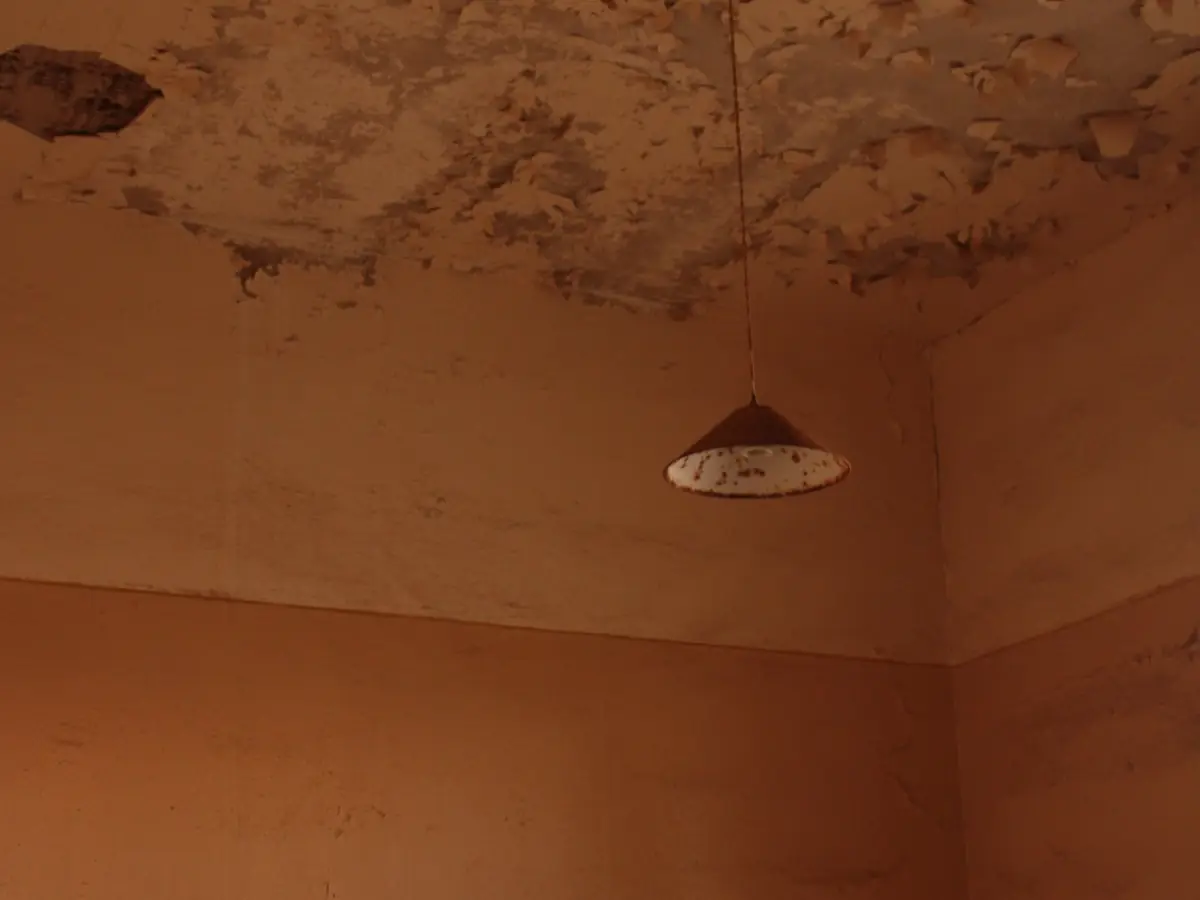
skim, board or remove
Decided from the result and the ceiling's condition, with the price of each set out so you can see the difference.
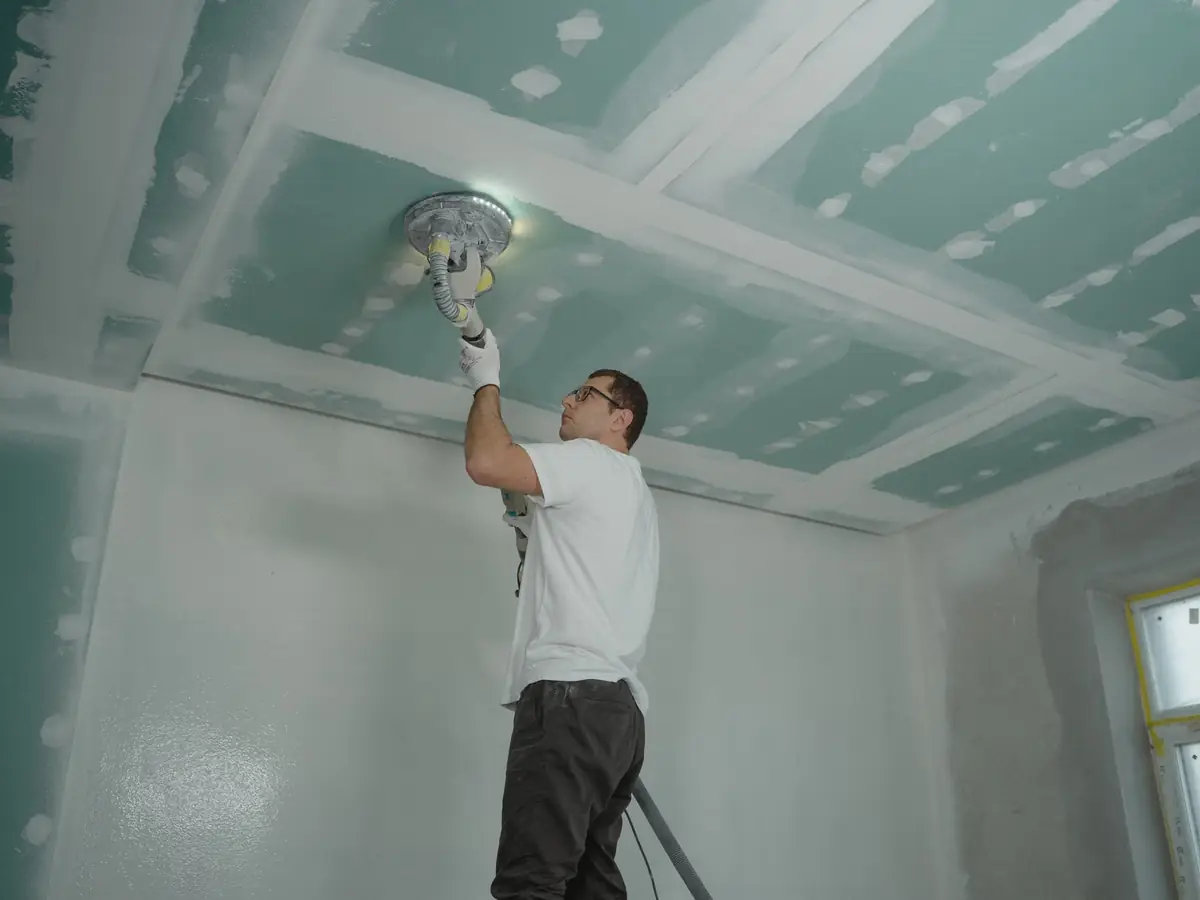
sheeted and masked
Room sheeted, fittings protected, coating skimmed, boarded over or removed wet, waste bagged in the room.
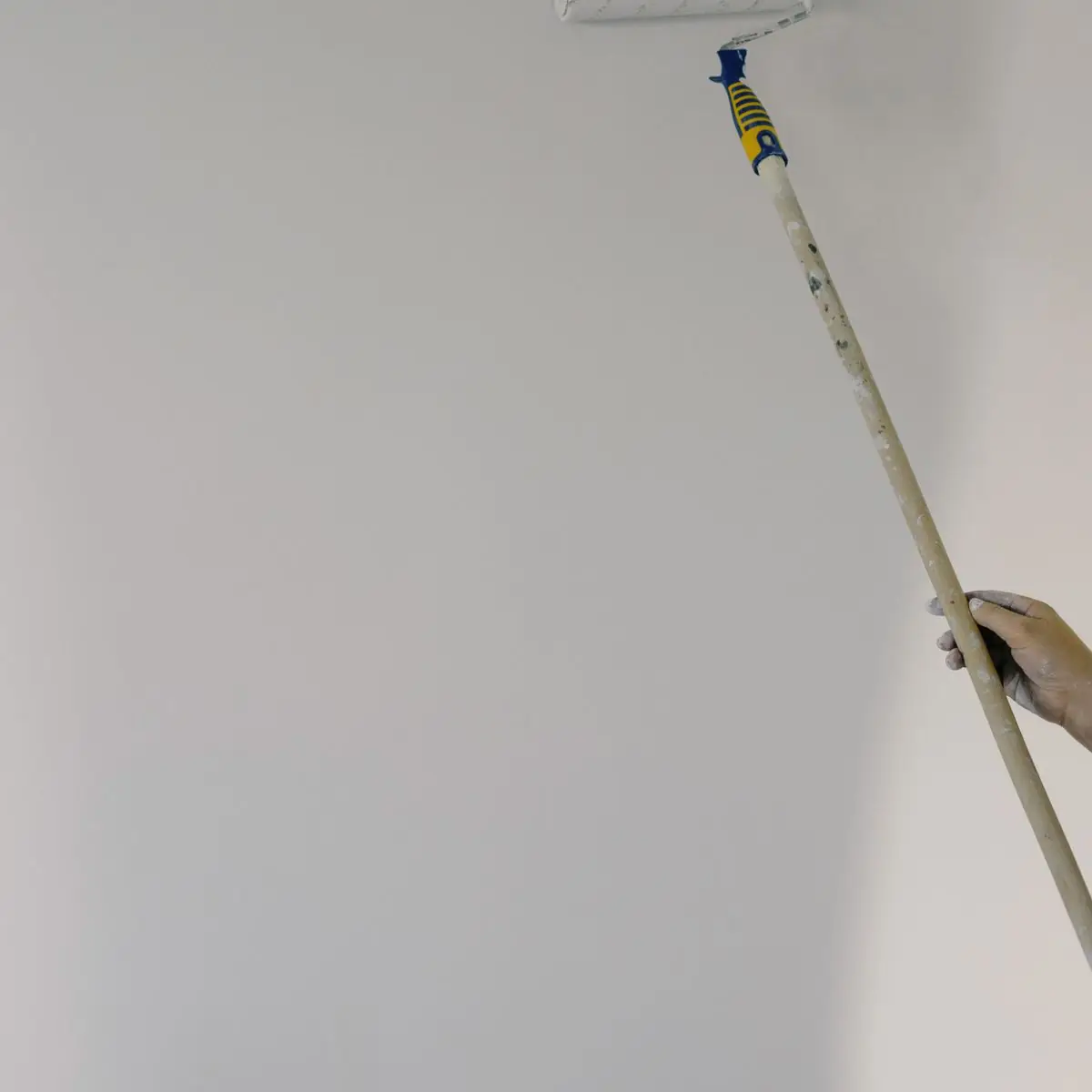
mist-coat ready
Skimmed in one pass, hoovered with a fine filter, drying advice in writing. A flat ceiling and nothing else left behind.
Next step
How many ceilings, roughly what size, and whether any are cracked or stained. A surveyor calls back to arrange the visit and the sample.
Ask to see a finished artex removal job like yours before you book. The survey is where that conversation starts.
Quick Quote OnlineAreas covered
We are a service-area business: no showroom, the team travels to you. Artex Removal is quoted from the same survey visit in every town on the list, and the map shows where we are based.
Leeds postcodes come first, then Bradford, Wakefield, Dewsbury, Huddersfield, Halifax, Harrogate and Barnsley, with the smaller towns between them on the same run. The full list of fifty is on the areas we cover.
Related services
Plastering
Skimming, boarding and float-and-set for single rooms through to whole-house refurbishments.
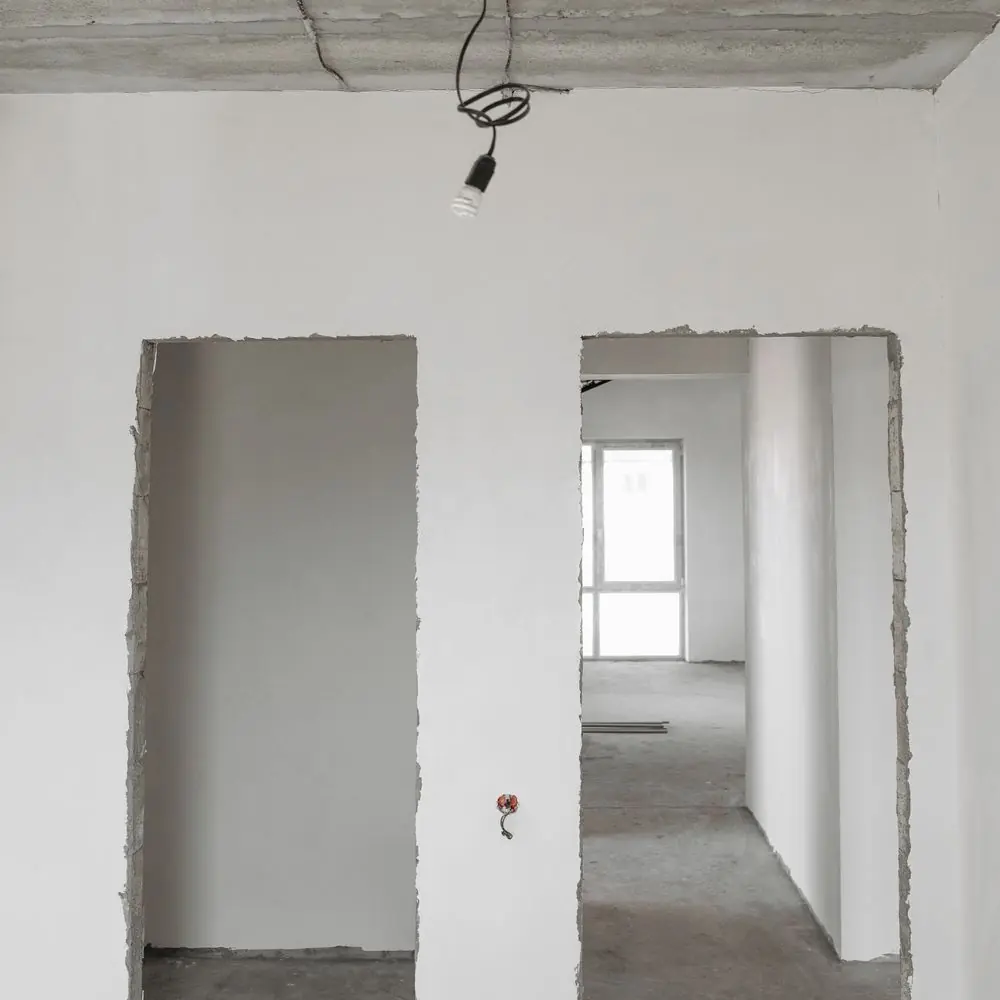
Drylining Walls
Dot and dab, metal-frame linings and tape-and-joint, left ready for skim or paint.
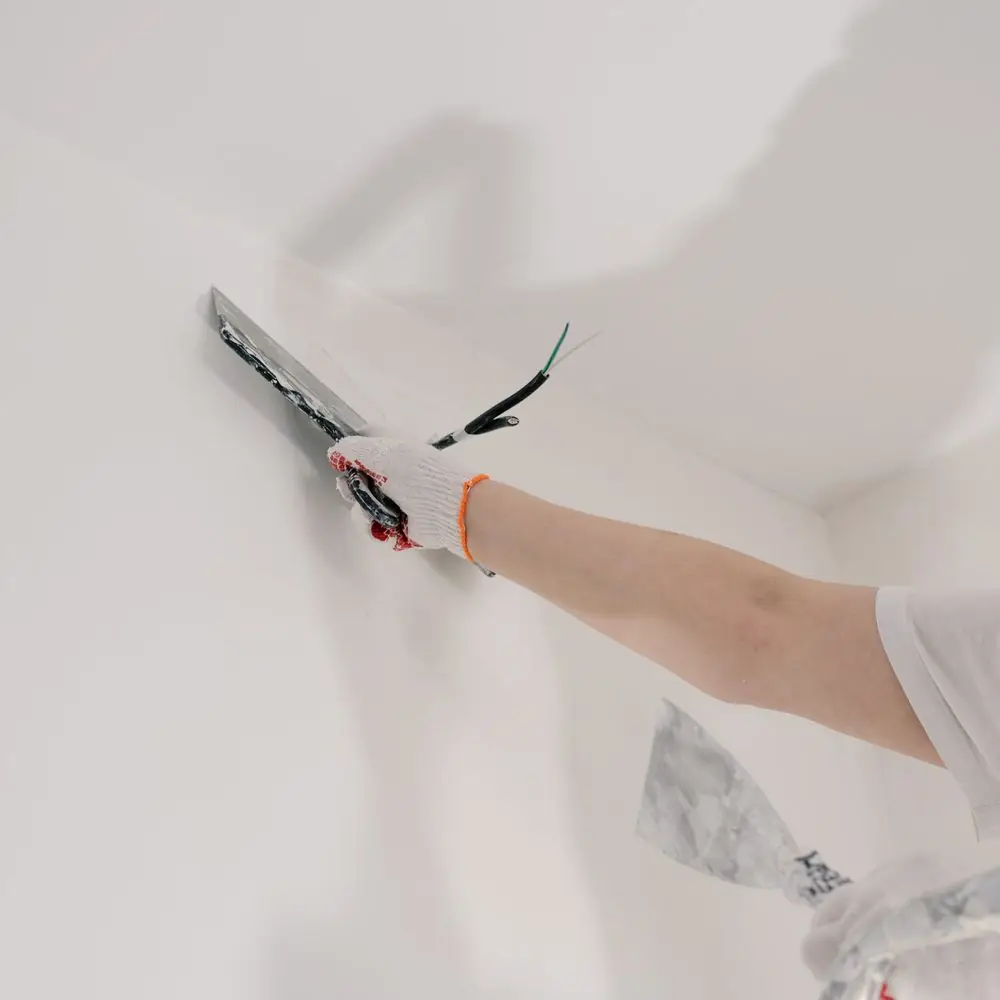
Coving & Cornice
Plaster coving and cornice fitted, repaired or profile-matched to what is already in the house.
Questions
If your question is not here, the quickest route is the contact page, where the same form and number sit with the map. Longer answers on drying times, blown plaster and render systems live in our plastering guides.
If it was applied before the mid-1980s it may well do; later coatings usually do not, but there is no way to tell by looking. A small sample sent to an accredited laboratory settles it within days, and nothing is disturbed until then.
If the test is clear and the texture is low and firm, yes: it is flattened, sealed and skimmed in the right coats. Heavy textures and any asbestos-containing coating are overboarded instead.
Fixing a new sheet of plasterboard over the existing ceiling, screwed through into the joists, then skimming it. The old coating is sealed in place and never disturbed. It gives a flat new ceiling and only lowers the room by the thickness of the board and plaster.
Scraping is the messiest route, which is one reason overboarding is usually preferred. Either way the room is sheeted floor to ceiling, fittings are protected, waste is bagged in the room and the floor is hoovered with a fine filter.
Yes. Sagging usually means the lath or the board fixings have failed; the ceiling is either overboarded through to the joists or taken down and reboarded. Cracks along the joists are repaired the same way.
Testing takes a few days. Overboarding and skimming a typical room is usually two visits: one to board and skim, one to check and snag once dry. Removal and rebuilding takes longer.
Quick Quote
Room sizes, what the surface is now, and what you want it to be. A surveyor reads it before calling, so the visit is booked knowing what to bring.