

Silicone Render
silicone render systems
Thin-coat through-colour systems from K Rend and Weber for a low-maintenance weatherproof face.
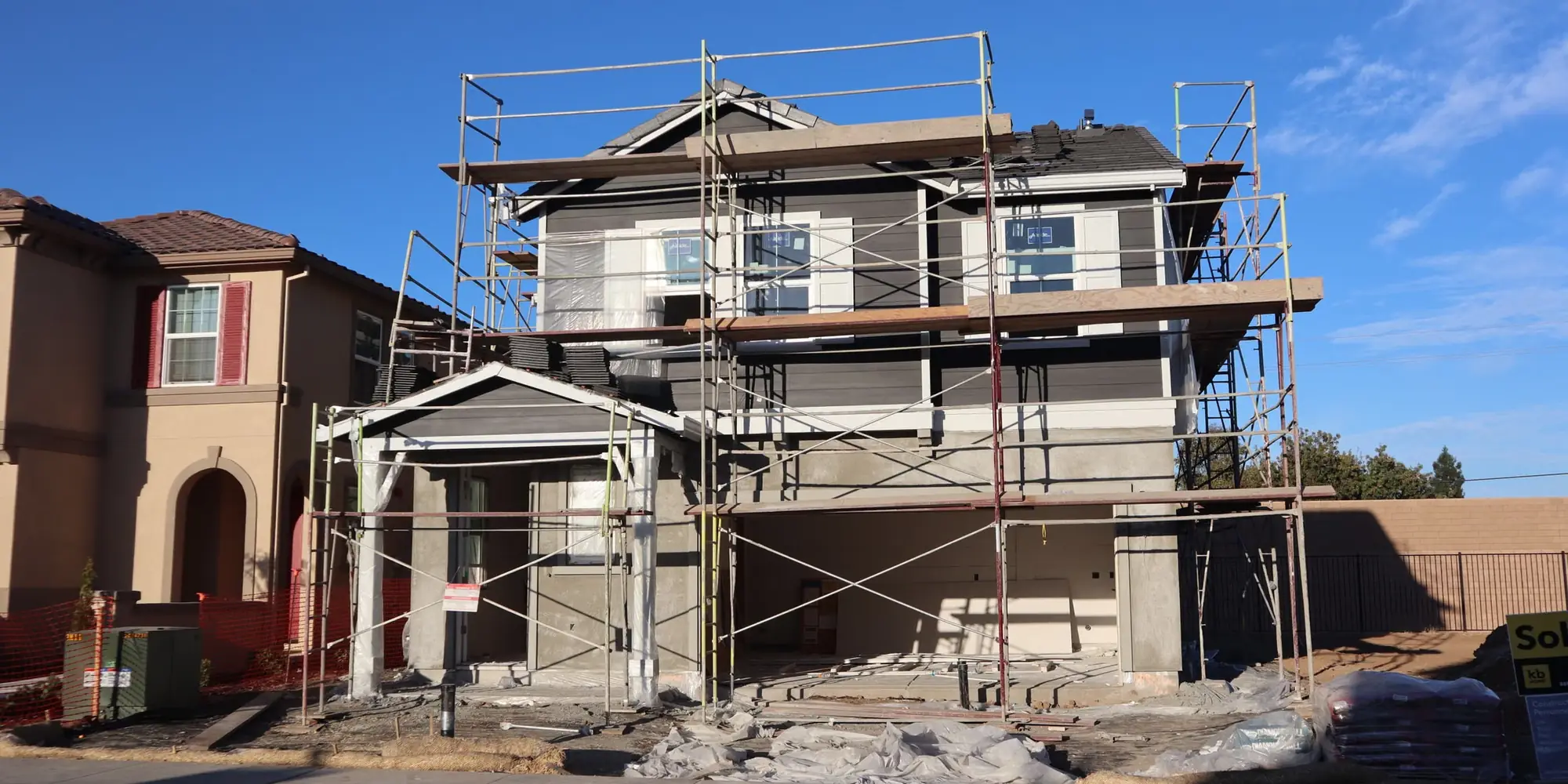
Rendering · Leeds and West Yorkshire
Cracked, hollow or stained render lets the weather into the wall behind it. We strip, repair and re-render gables, extensions and whole houses across Leeds, choosing the system to suit the wall rather than the other way round.
What the job covers
Render does two jobs at once: it keeps rain off the bricks and it gives the house its face. When it starts to fail you usually notice the second before the first. Hairline cracks, a map of stains under the sills, a patch that sounds hollow when tapped, or a corner where a chunk has simply come away. Behind that, water is tracking into the wall and, on a solid-walled house, on into the plaster inside.
Invicta renders new extensions and blockwork, patches and re-renders older walls, and takes failed coatings off entirely where that is the only honest fix. Sand and cement remains right for some jobs; through-colour silicone render systems are right for many more, and where a solid wall is cold as well as wet, external wall insulation can be rendered as one job. It all starts with a look at the substrate.
What a rendering job can include
Traditional sand and cement render is mixed on site, applied in two or three coats over a scratch coat, and finished either smooth for painting or with a textured face. It is strong, cheap and familiar, and on a well-built modern block wall it lasts. Its weakness is that it is rigid and has to be painted, so on an older house that moves with the seasons it cracks, and every crack is a way in for water.
Monocouche is a factory-mixed, through-coloured render applied in a single thick coat and scraped back to a textured finish. Thin-coat silicone systems go on over a meshed base coat and stay flexible and water-repellent. Lime render belongs on old solid walls that need to breathe. Which one is right depends on the wall, the exposure, the budget and what is underneath, and the survey is where that gets decided.
The systems we apply
Brand names like K Rend and Weber come up in nearly every rendering enquiry, and they are both good products in the right place. K Rend is best known for its scraped-texture monocouche and silicone ranges; Weber for its base coats, monocouche and thin-coat systems. Both are through-coloured, so a chip shows the same colour rather than grey cement, and both shed water rather than soaking it up.
A silicone finish is usually the right recommendation for a house that is being rendered for the long term: it flexes with small movements, it resists the green algae growth that stains north-facing gables, and it does not need repainting. The dedicated silicone render page goes through the colours and textures; on this page the point is simply that we will fit the product to the wall, not the other way round.
If the wall being rendered is solid brick or stone with no cavity, it is worth asking whether the render should go on over an insulation layer. External wall insulation fixes rigid boards to the outside of the house, meshes and base-coats them, and finishes with a thin-coat render, so the house ends up warmer, drier and rendered in one programme of work rather than two.
On a house that is already rendered and only needs repairs, insulation is not always sensible, and we will say so. Where it is, the quote covers the boards, fixings, beads, base coat and finish as a single system so there is one contractor responsible for the whole wall.
A great deal of Leeds housing is pre-1919: solid brick terraces and back-to-backs, stone in the older villages. These walls were built to get wet and dry out again through a breathable lime coat. Sealing them behind a hard cement render traps moisture, and the first sign is usually blown plaster inside a few winters later. On those houses the right answer is lime render, or at least a breathable silicone system over the right base.
Render also needs a little maintenance to reach its lifespan: gutters kept clear so the top of the wall is not permanently wet, ivy kept off, and any small crack or knocked corner sealed before winter. We hand over with a short note on what to watch for.
Sand and cement is painted, so the colour is whatever masonry paint you choose and needs redoing every several years. Monocouche and silicone renders are coloured all the way through and come in a broad range from brilliant white through creams, greys and stone tones, with scraped, textured or smooth faces. The finish you pick changes how the house reads from the street, and it also changes how it weathers: a fine texture on a shaded wall will show algae sooner than a smooth silicone face.
We bring sample boards to the survey where colour matters, and where a planning condition or a conservation area sets the tone, we work to it.
The render is only as good as what it is stuck to. Old paint, loose render, dust, moss and salts all have to come off, cracks in the brickwork are raked out and repaired, and low spots are dubbed out so the finish coat goes on at an even thickness. Beads are set at every corner, sill, stop and movement joint. Only then does the scratch or base coat go on, followed by the finish in the passes the system specifies, at the temperature the system allows.
A rendered elevation is weather-dependent work. We do not apply in frost or driving rain, and we do not rush a base coat that needs to cure. That sometimes means a job takes a few days longer than the forecast promised; it also means the render stays on the wall.
The price of rendering is driven by the area, the height and access, the condition of what is there now, and the system chosen. Hacking off an old cement render adds labour and skips; a monocouche costs more in materials than sand and cement but saves the painting. Scaffolding is priced in rather than left as a surprise. The written quote sets out each of those lines so two quotes can be compared honestly.
Most single elevations are a week or so including scaffold; a whole detached house is longer. We give a start date once the scaffold is booked and a realistic finish date that allows for the weather.
tap, meter, look up
Every elevation tapped for hollow render, cracks traced to their cause, gutters and copings checked. Substrate identified so the right system is quoted.

back to sound
Failed render off, brickwork raked and repaired, walls cleaned. Beads, stops and expansion joints set out before any material goes on.

weather permitting
Base or scratch coat, then the finish in the passes the system asks for, at temperatures the system allows. Nothing applied into frost.
and a maintenance note
Scaffold down, ground cleared, a walk round the finished elevations with you, and a short note on gutters and small repairs so the render lasts.
Next step
The form takes two minutes and a surveyor rings to book the visit. If you already know it needs hacking off, say so and we will bring the sample boards.
Ask to see a finished rendering job like yours before you book. The survey is where that conversation starts.
Quick Quote OnlineAreas covered
We are a service-area business: no showroom, the team travels to you. Rendering is quoted from the same survey visit in every town on the list, and the map shows where we are based.
Leeds postcodes come first, then Bradford, Wakefield, Dewsbury, Huddersfield, Halifax, Harrogate and Barnsley, with the smaller towns between them on the same run. The full list of fifty is on the areas we cover.
Related services
Silicone Render
Thin-coat through-colour systems from K Rend and Weber for a low-maintenance weatherproof face.
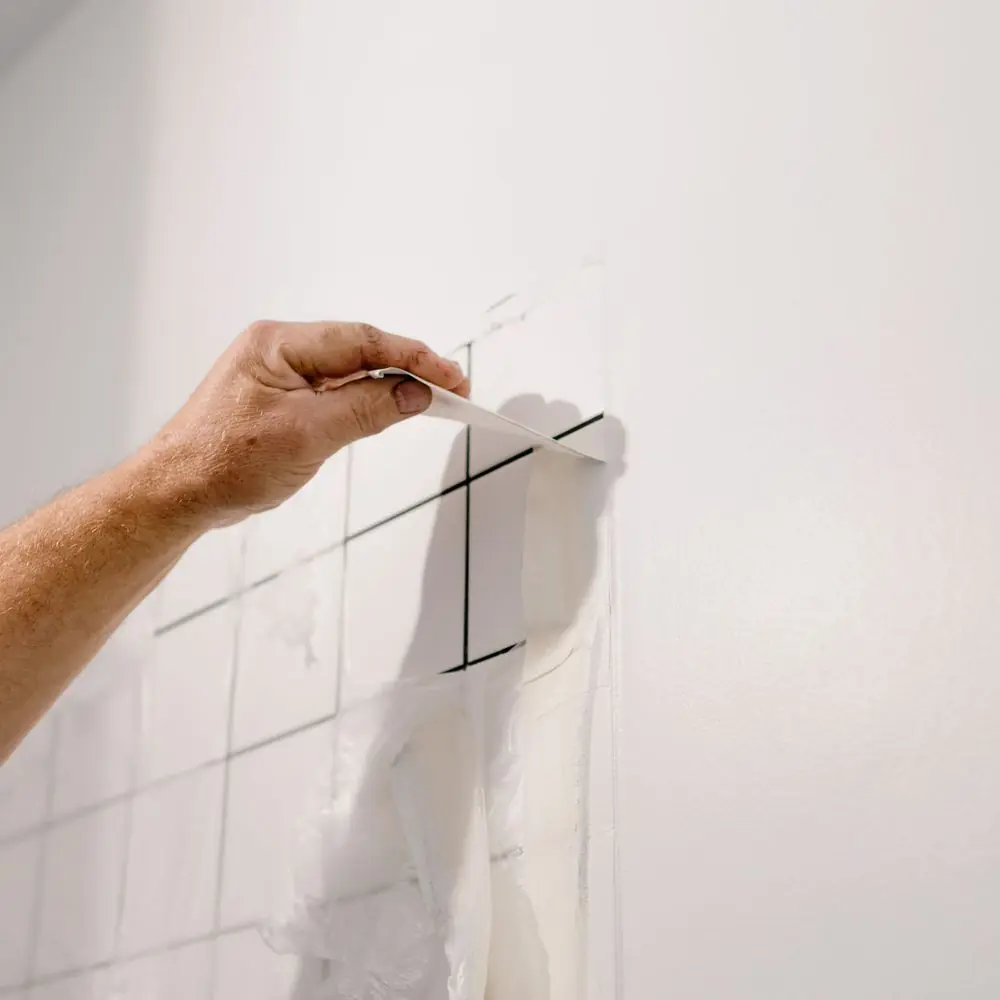
External Wall Insulation
Insulation boards fixed, meshed and rendered in one package for solid-wall houses.
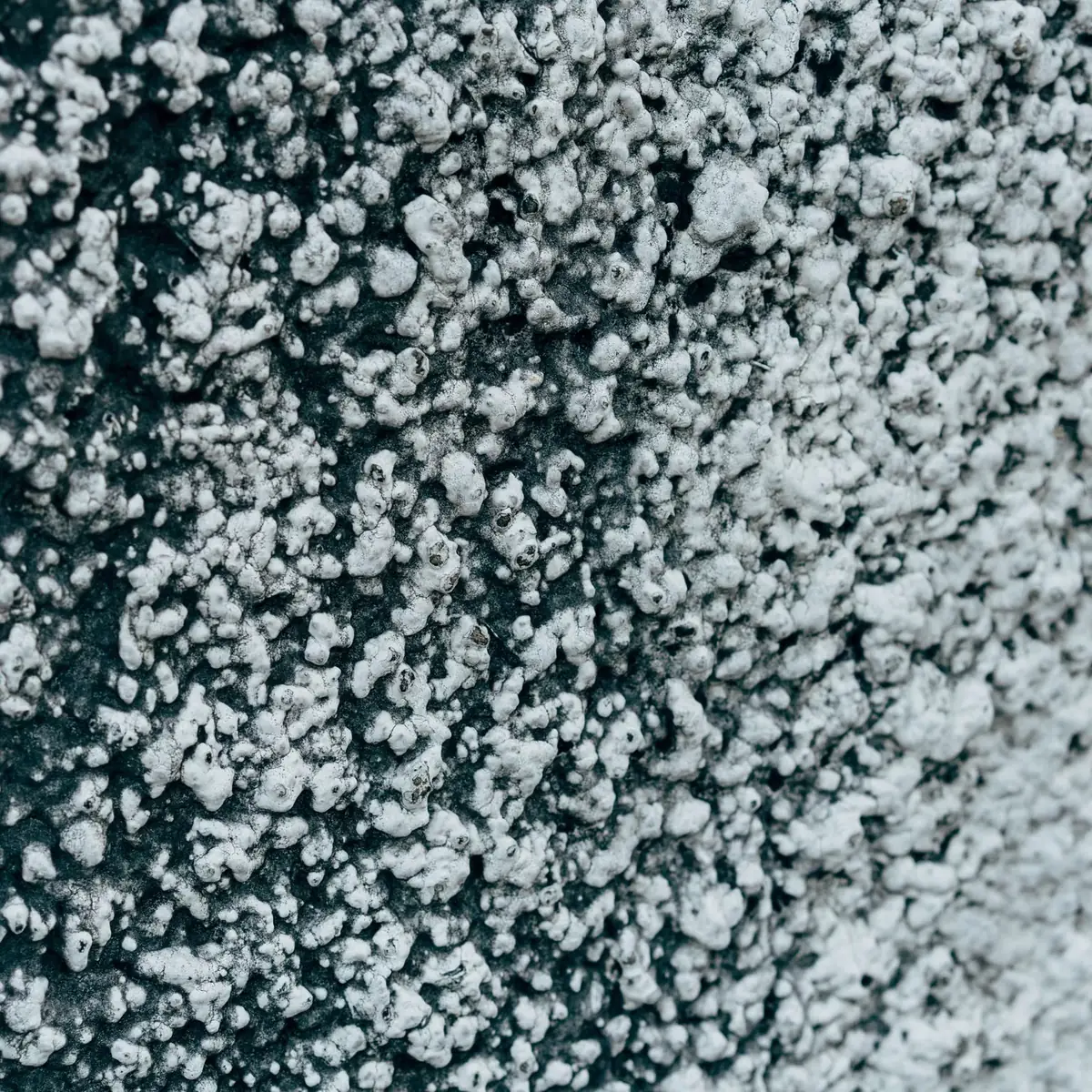
Pebbledash
Pebbledash and roughcast application, repair and removal, with substrate preparation and re-rendering where needed.
Questions

If your question is not here, the quickest route is the contact page, where the same form and number sit with the map. Longer answers on drying times, blown plaster and render systems live in our plastering guides.
Sometimes. If the old render is sound, well keyed and dry, a thin-coat silicone system can go over it on a meshed base coat. If it is hollow, cracked through or holding water, it has to come off first, and the survey tells us which by tapping every elevation.
For a modern block extension that will be painted, sand and cement is fine. For a whole house, a silicone or monocouche system is usually the better long-term choice because it is coloured through, flexes with the building and does not need repainting. On an old solid wall, breathability matters more than either, and lime render may be the right answer.
Anything above a single storey does, and we arrange it as part of the quote. Ground-floor patch repairs can often be done from towers or ladders. The scaffold also protects the render while it cures.
Usually because a rigid cement render has been put on a wall that moves, or it was applied too thick in one coat, or the wall behind it is damp. Cracks that follow the brick joints suggest movement; cracks that map across the surface suggest shrinkage. The fix depends on the cause, and we look before we quote.
If the damp is rain getting through failed render, yes. If it is condensation, a bridged damp course or a leaking gutter, no render will fix it, and we will tell you what will. The internal plaster is often replaced as part of the same job once the outside is sorted.
It needs to cure fully first, which is usually a few weeks depending on the season, and then a masonry paint designed for new render. Monocouche and silicone finishes are coloured through and are not painted at all.
Quick Quote
Room sizes, what the surface is now, and what you want it to be. A surveyor reads it before calling, so the visit is booked knowing what to bring.