

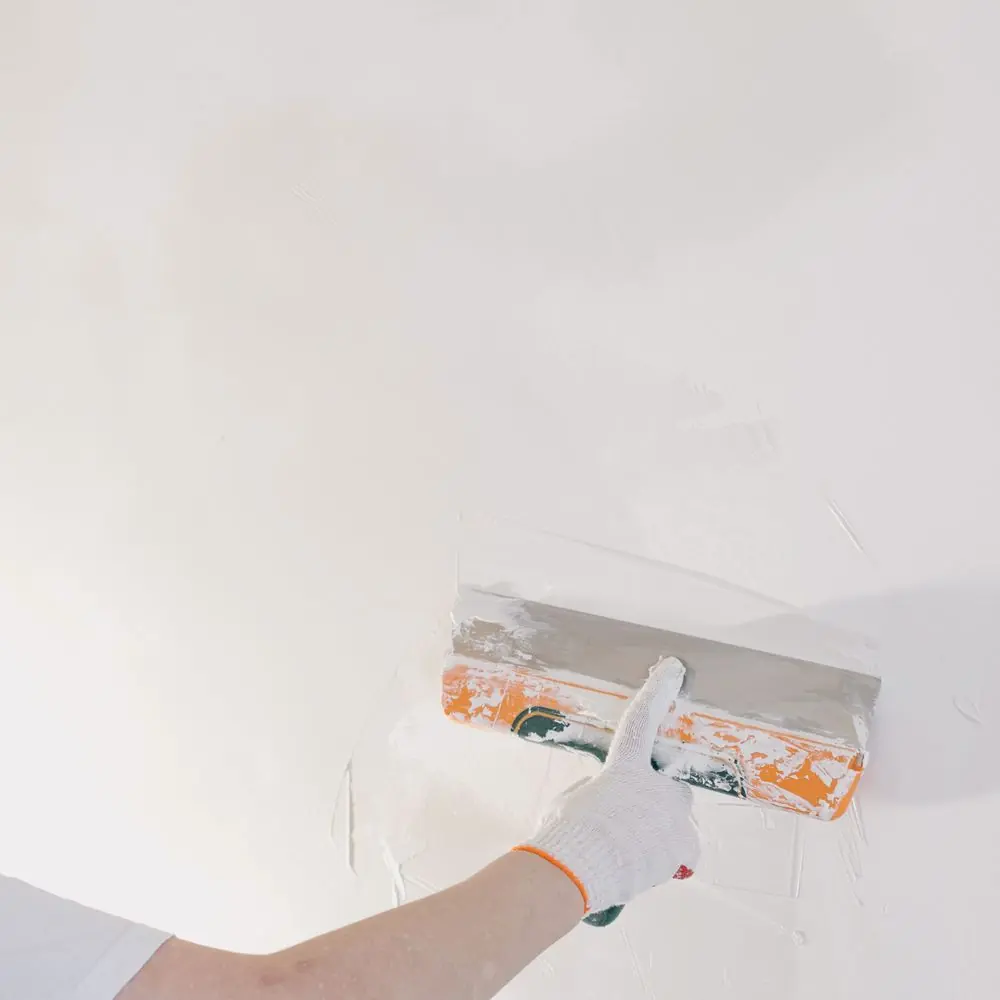
Plastering
plasterer in Leeds
Skimming, boarding and float-and-set for single rooms through to whole-house refurbishments.
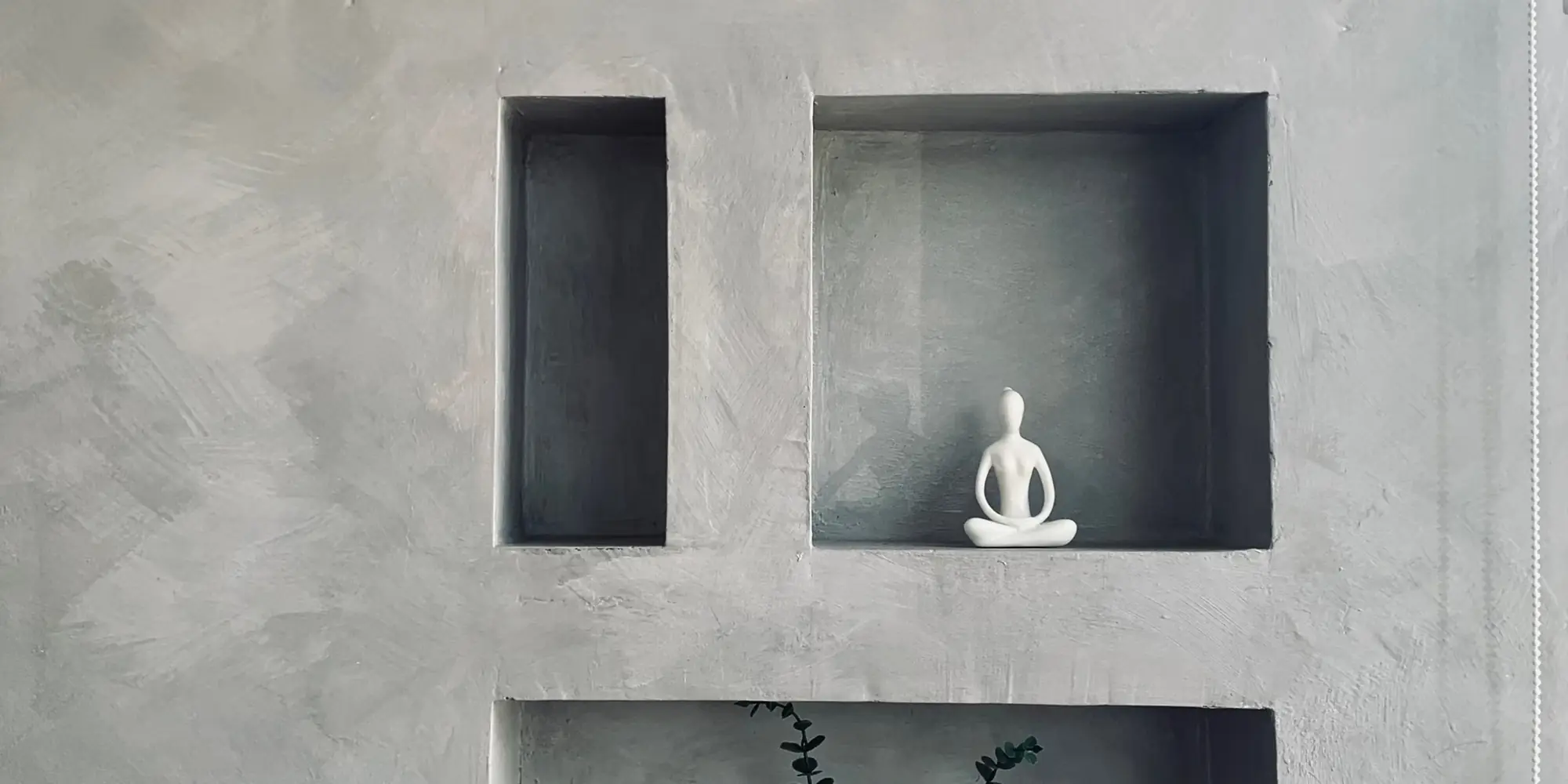
Venetian & Polished Plaster · Leeds and West Yorkshire
Marble-like sheen on a feature wall, a soft stone finish in a hallway, waterproof microcement in a bathroom. Applied by hand in thin coats over a properly prepared base, sealed and polished.
What the job covers
Polished plaster is the family of finishes that turns a wall into a surface worth looking at: lime-based plasters loaded with marble dust, trowelled on in several thin layers and burnished until they take on depth and a sheen that paint cannot copy. Venetian plaster is the classic high-gloss version; marmorino is softer and more matt; travertine and stone effects are textured; microcement is the cement-based cousin that goes on floors, showers and worktops as well as walls.
Invicta applies these finishes in homes and commercial interiors across Leeds. Because the same team does the plastering and skimming underneath, the base is prepared for the finish rather than hoped to be good enough, which is where most polished plaster jobs go wrong. Where a room also wants period detail at the ceiling line, the coving and cornice is fitted first.
What a polished plaster job can include
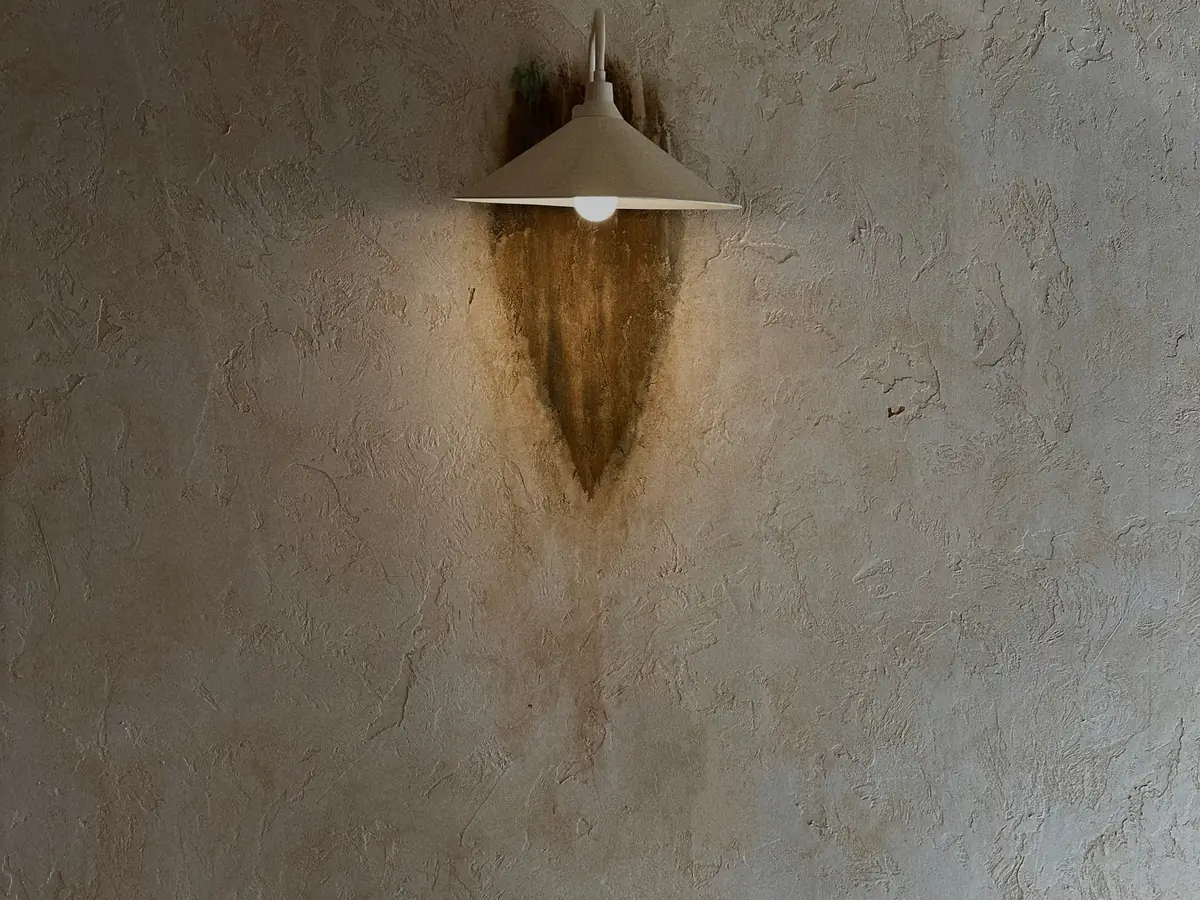
True Venetian plaster, sometimes called lucido or stucco veneziano, is a fine lime and marble-dust plaster applied in three or more very thin coats with a flexible steel trowel. The final coat is pressed and burnished as it sets, which compresses the marble particles and brings up a glassy, slightly mottled sheen with real depth. It suits feature walls, chimney breasts, dining rooms and reception areas: anywhere the light moves across the wall during the day.
The look is controlled by colour, by how the coats are laid, and by how hard the last one is polished. A darker pigment gives a dramatic marbled effect; a pale one reads as soft stone. Every wall is a little different because every wall is done by hand, and that is the point.
Beyond the feature wall, polished plaster earns its place in hallways and stairwells, where it takes knocks better than paint; in bathrooms and wet rooms, where a sealed microcement or lime finish replaces tiles and grout; on columns and curved walls that tiles cannot follow; and in restaurants, salons, hotel lobbies and shopfronts where the wall is part of the brand. Fireplace surrounds, alcoves and ceilings are all fair game.
It is not right everywhere. A wall that is hollow, damp or constantly moving is not a candidate until the underlying problem is dealt with, and a finish this thin will show every ripple in a poor skim. That is why the base gets as much attention as the topcoat.
Lime-based polished plasters are breathable, naturally alkaline and resistant to mould, which makes them a good match for older Leeds houses as well as new interiors. Marmorino has a coarser marble grain and a softer, more matt finish that suits a Mediterranean or stone look. Travertine and rustic finishes are worked with the trowel to imitate open-pored stone. Microcement is a polymer-modified cement in two or three coats, sealed with a resin, which makes it waterproof and hard-wearing enough for floors and showers.
Each system comes with its own primer, base coat, finish coats and sealer, and mixing manufacturers is a good way to get a delaminated wall. We specify a complete system and apply it as the maker intends.
Finishes by room
Polished plaster is priced on the wall rather than the room, because the effort is in the preparation and the number of coats rather than the square metre. What moves the price: the state of the wall now and how much skimming and priming it needs, the finish chosen and its number of layers, the sheen level, the amount of cutting-in around windows, sockets and cornice, and whether microcement is going on a floor or in a shower with tanking beneath it.
We do not quote per metre from a photograph. A visit, a sample board in your colour, and a written quote that separates preparation from finish is how every polished plaster job starts.
Sheen runs from a chalky matt through satin to a mirror-like polish, and it changes the character of the same colour completely. A high polish on a dark pigment is glamorous and reflective; a satin marmorino in warm white is quiet and architectural; a matt travertine in a stone tone is rustic. Most homes sit in the middle. Trowel technique changes the pattern too: long strokes give a cloudy movement, short overlapping strokes a tighter marble.
We bring boards in two or three candidates so you are choosing between real samples under your own lighting, then make a final sample on the wall itself before the full coats go on.
The wall is skimmed flat and left to dry fully, then sanded and sealed with the system primer, which is usually tinted towards the finish colour. The base coat of polished plaster goes on and is flattened. Then the finish coats, each thin, each allowed to firm before the next, with the final coat burnished with the trowel edge to bring up the sheen. Wax or a liquid sealer goes on last to protect the surface and, on microcement, to make it waterproof.
A feature wall typically takes three to five days including drying between coats; a bathroom in microcement longer, because the tanking and sealing stages cannot be rushed. Furniture out, floors sheeted, and the room off limits between coats.
In houses across Leeds and Harrogate the usual call is a single statement wall: the chimney breast, the wall behind the bed, the hall from door to stairs. In bathrooms, microcement is replacing tiles in wet rooms and around baths for a continuous, grout-free finish that is easy to keep clean. Commercially, polished plaster gives a bar, a salon or a reception a finish that reads as expensive and lasts under public use.
For landlords and developers, a polished feature wall in the reception of a converted mill or an apartment block lobby is a small spend that changes how the whole building feels.

colour on a board
The wall checked for flatness and damp, the room lit as you use it, and two or three sample boards made in your colour and sheen.
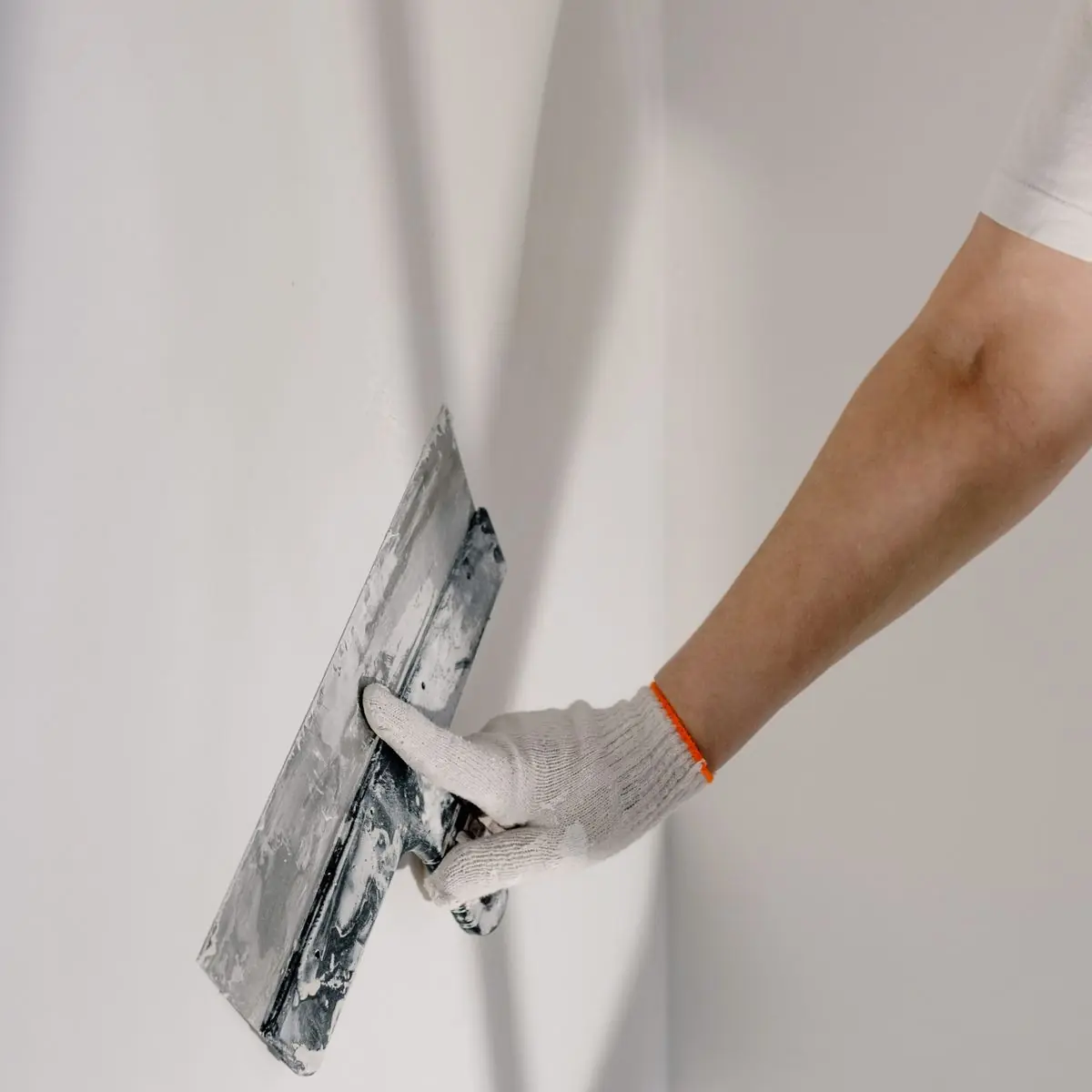
skim, dry, seal
The wall skimmed flat, allowed to dry through, sanded and primed with the system primer tinted to the finish.
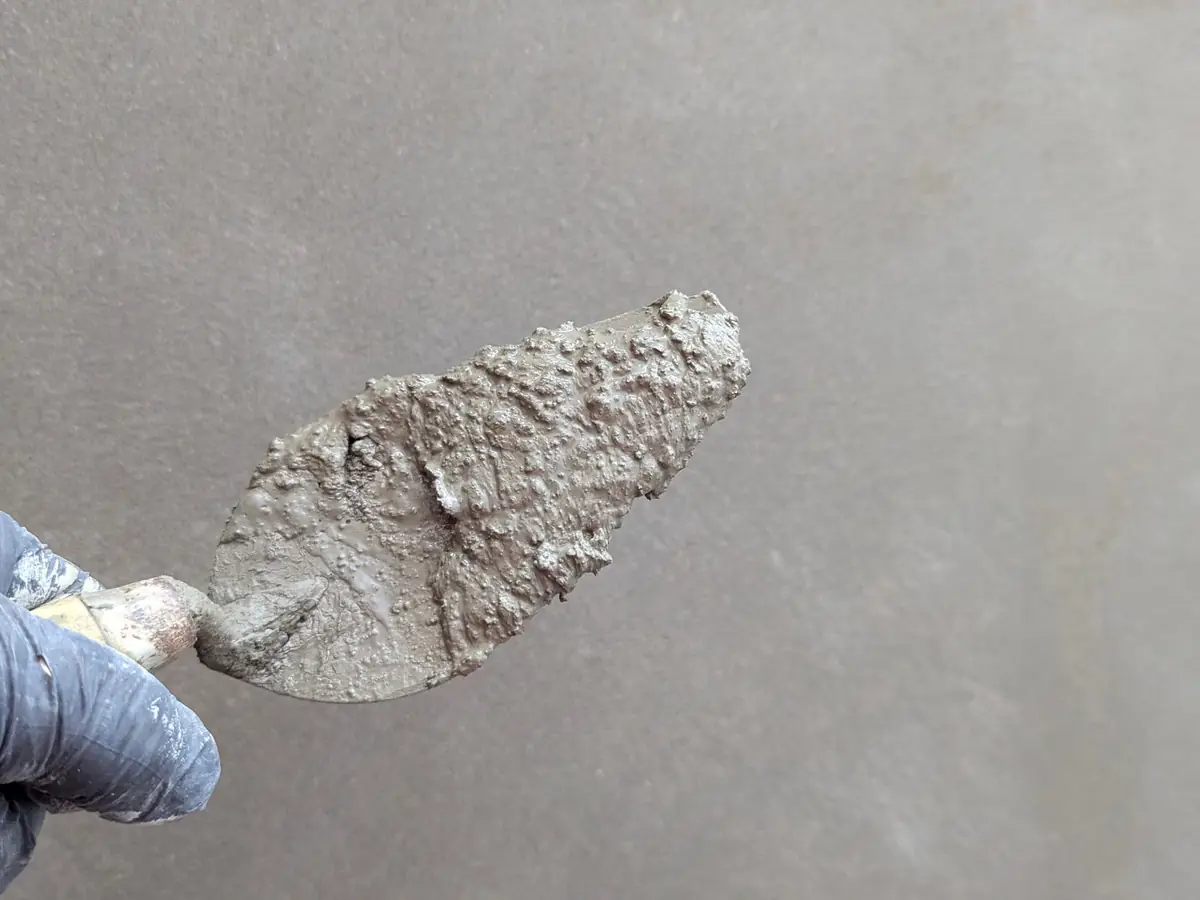
thin and patient
Base coat, then the finish coats trowelled on thin, each firming before the next, the last one burnished to the agreed sheen.
wax or resin
Wax or sealer applied, the surface polished, and a note on cleaning and what not to hang from it.
Next step
Tell us the room, the wall size and whether it is a dry room or a bathroom. A surveyor calls back to book the visit with samples in your colour.
Ask to see a finished venetian & polished plaster job like yours before you book. The survey is where that conversation starts.
Quick Quote OnlineAreas covered
We are a service-area business: no showroom, the team travels to you. Venetian & Polished Plaster is quoted from the same survey visit in every town on the list, and the map shows where we are based.
Leeds postcodes come first, then Bradford, Wakefield, Dewsbury, Huddersfield, Halifax, Harrogate and Barnsley, with the smaller towns between them on the same run. The full list of fifty is on the areas we cover.
Related services
Plastering
Skimming, boarding and float-and-set for single rooms through to whole-house refurbishments.

Coving & Cornice
Plaster coving and cornice fitted, repaired or profile-matched to what is already in the house.
Drylining Walls
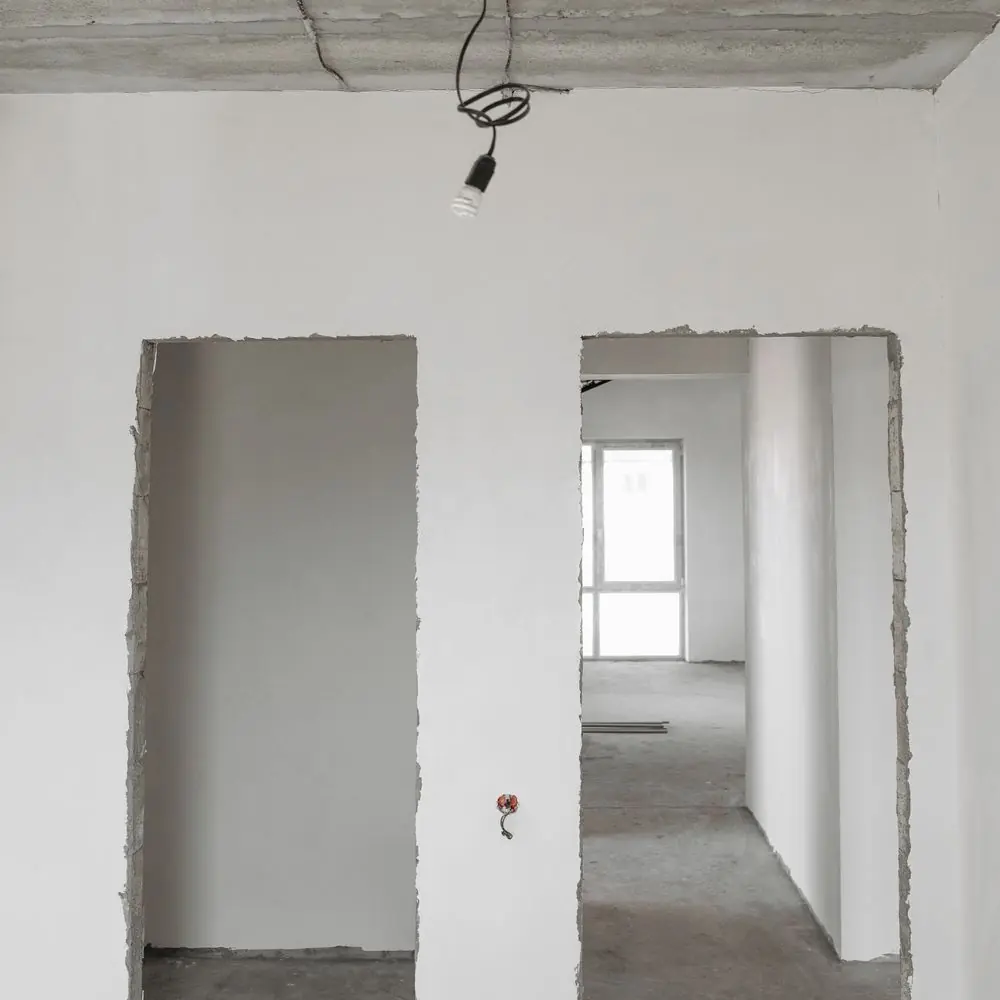
Dot and dab, metal-frame linings and tape-and-joint, left ready for skim or paint.
Questions
If your question is not here, the quickest route is the contact page, where the same form and number sit with the map. Longer answers on drying times, blown plaster and render systems live in our plastering guides.
Venetian is one type of polished plaster, the high-sheen marble-dust finish. Marmorino, travertine and microcement are others in the same family, each with a different texture and sheen. We will show you boards of each so you can see the difference.
Yes. Microcement is the usual choice for showers and wet areas because it is sealed waterproof; lime-based polished plasters suit bathroom walls away from direct water. Tanking goes underneath in wet zones just as it would under tiles.
If the wall is sound, dry and flat, it is sanded and primed and the finish goes on. Most walls need a fresh skim first, because a finish this thin shows every trowel mark in an old surface. The survey decides.
A soft damp cloth and mild soap for lime finishes; ordinary bathroom cleaner for sealed microcement. Avoid abrasives and heavy knocks. Re-waxing a Venetian wall every few years keeps the sheen up.
Finishes are tinted to order, so a paint chip, a fabric or a tile can be matched closely. We make a sample board first and a test patch on the wall before committing.
Typically three to five working days including drying between coats, with the room out of use between visits. Microcement bathrooms take longer because tanking and sealing each need their own curing time.
Quick Quote
Room sizes, what the surface is now, and what you want it to be. A surveyor reads it before calling, so the visit is booked knowing what to bring.