

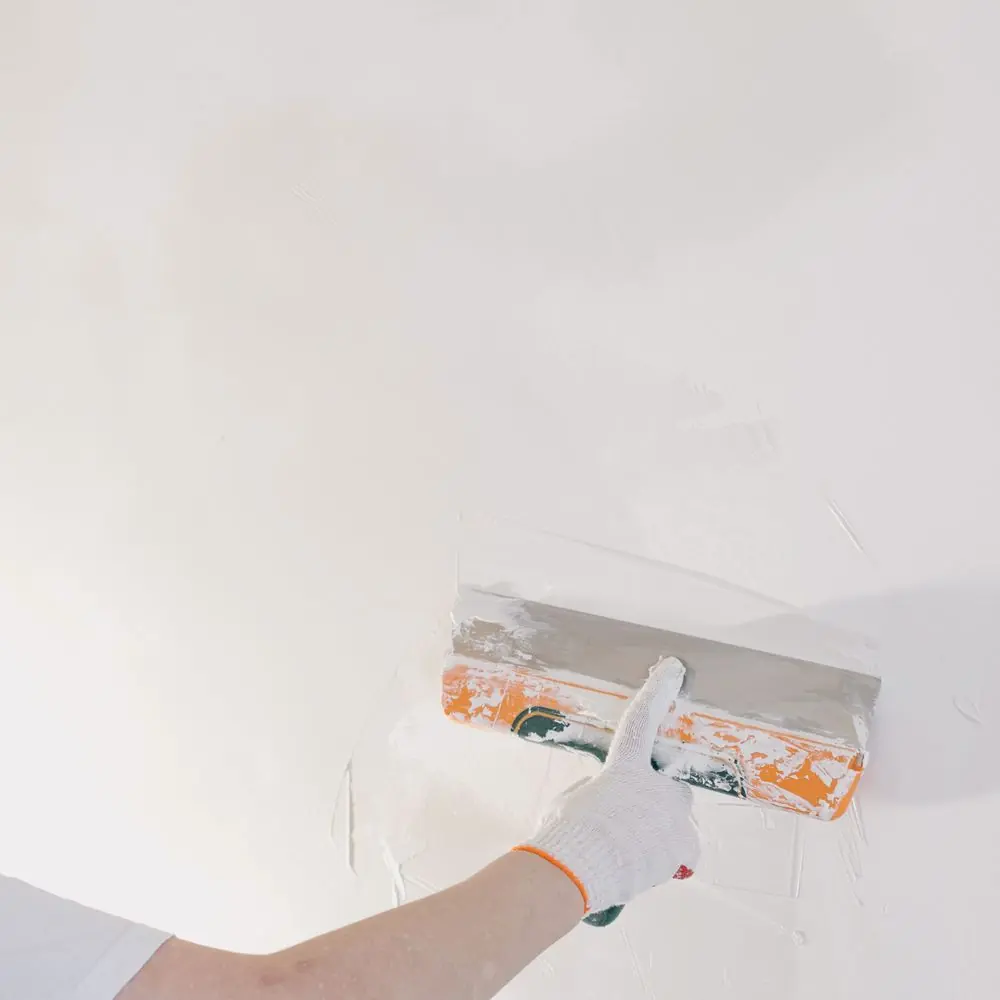
Plastering
plasterer in Leeds
Skimming, boarding and float-and-set for single rooms through to whole-house refurbishments.
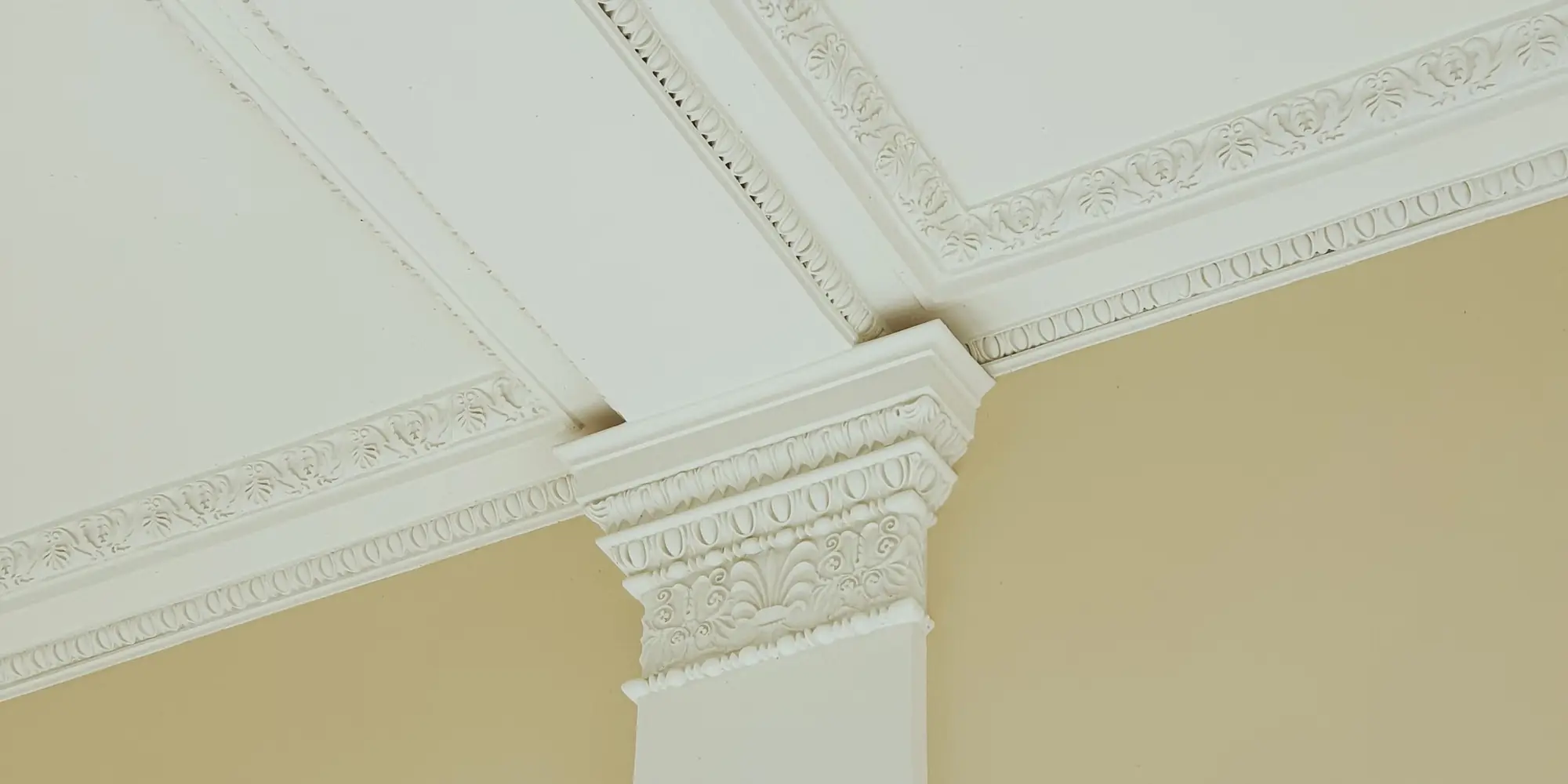
Coving & Cornice · Leeds and West Yorkshire
Plain cove for a new room, a run of Victorian cornice to match the hall, a ceiling rose for a bay-fronted living room. Cut, fitted, mitred and filled so the joins vanish under paint.
What the job covers
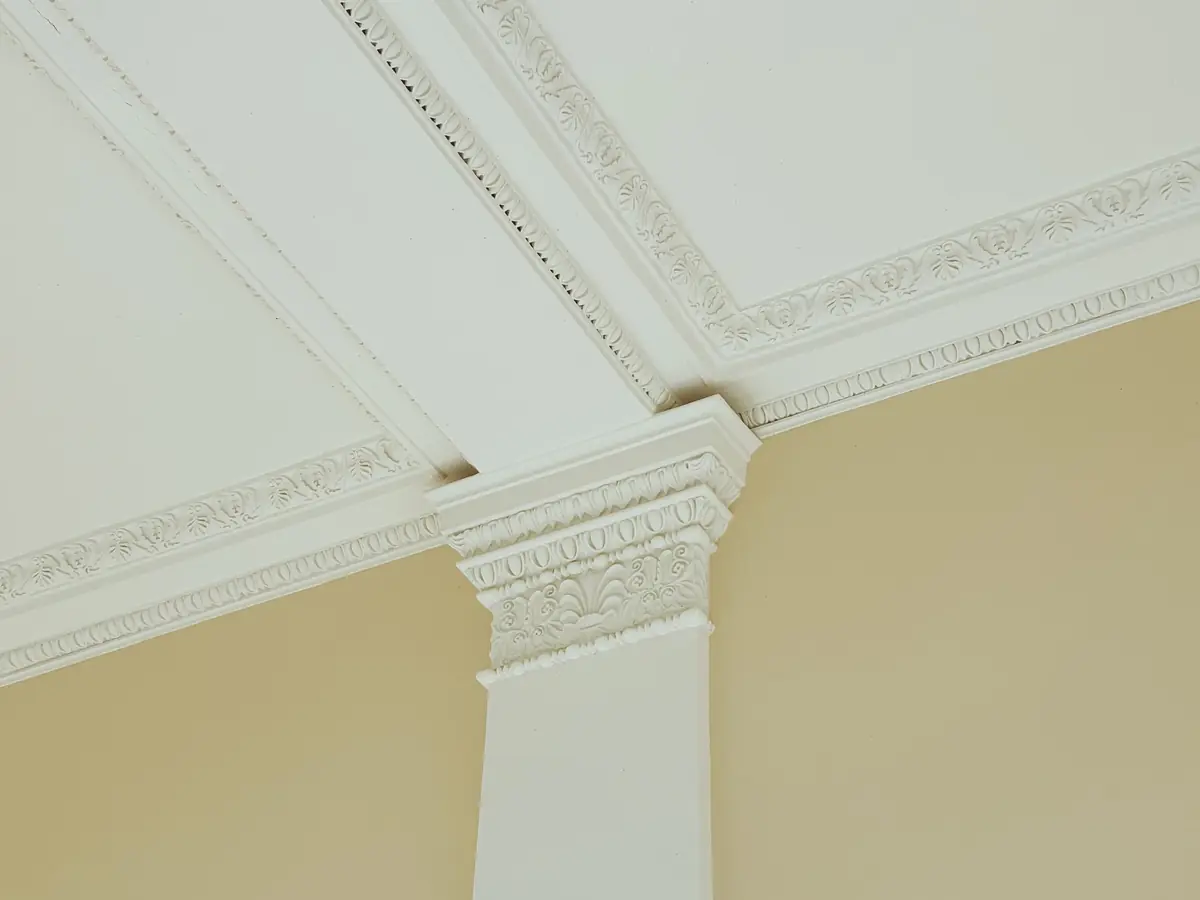
Coving and cornice are the mouldings that run where the wall meets the ceiling. Coving is the plain concave curve; cornice is the shaped, stepped or decorated version, and in Leeds's Victorian and Edwardian terraces it is often still there in the front room, painted over a dozen times and missing in the back where a kitchen was knocked through. Ceiling roses, dado rails and picture rails belong to the same family of plaster mouldings.
Invicta fits new mouldings, matches lost ones, and repairs the originals. Because the same people do the plastering that the moulding sits on, the wall and ceiling line is straight before the cove goes up, which is what makes a good job look effortless. For the softer, breathable materials that period houses were built with, the lime plastering page explains where lime comes in.
What a coving job can include
The three jobs we are asked for most: fit plain coving throughout a house that has none, so the ceiling line reads as finished; fit cornice in a room that has lost it, matched to what survives elsewhere; and repair a cornice that has cracked, sagged or been hacked through for a beam or a kitchen extractor. Each starts by measuring the room and the existing profile and ends with the moulding filled, sanded and ready for paint.
We work in fibrous plaster, which is the traditional material and takes detail beautifully, and in modern gypsum and lightweight polymer covings where a plain profile is wanted and budget matters. Polystyrene coving is not something we fit; it never looks like plaster.
Standard profiles are supplied in lengths and fitted from stock. Period cornices come from specialist casters in a very wide range of Georgian, Victorian, Edwardian and Art Deco patterns, from a simple ogee to an egg-and-dart or acanthus run. Ceiling roses are cast to match, sized to the room and the light fitting. Where nothing in the catalogue matches, a section of your existing cornice can be taken as a squeeze and a new run cast from it.
Lengths are ordered once the room is measured, with waste allowed for the mitres, and stored flat until fitting day.
A straight line marked on wall and ceiling, mouldings cut with a mitre box or saw for the corners, adhesive applied to both edges and the length pressed home, pinned where the weight needs it while the adhesive grabs. Joints are filled, mitres are packed and filled, and the whole run is sanded so the paint finds one continuous surface. Heavier fibrous cornice is screwed as well as bonded.
The bit that separates a good job from a bad one is preparation. If the wall and ceiling are not straight the cove will show it, so we skim or fill the line first where it needs it. Bay windows, chimney breasts and alcoves are where the mitres pile up and where patience is spent.
The most satisfying jobs are the ones where a room has lost its cornice and the hall still has the original. A profile gauge or a squeeze mould is taken from the surviving run, matched to a stock pattern where one exists, or cast fresh where it does not, and the new run is fitted so that the two meet at the doorway without a step. A room that was knocked through in the seventies and is now being put back gets the same treatment.
Profile matching is also how a new extension is tied into the old house: the same cornice runs through, and nobody can tell where the 1890s stop and the new work begins.
Original cornice is worth saving. Cracks are raked, filled and reinforced; sagging sections are re-fixed to the joists; missing pieces are cast from an intact section and let in; decades of paint that has blurred the detail is softened and picked out where it matters. Where a section has been cut away for a pipe or a beam, it is rebuilt to the profile rather than filled with a blob.
For listed buildings and conservation areas we work in lime and fibrous plaster and keep the original fabric wherever it will hold, which is what conservation officers expect and what the building deserves.
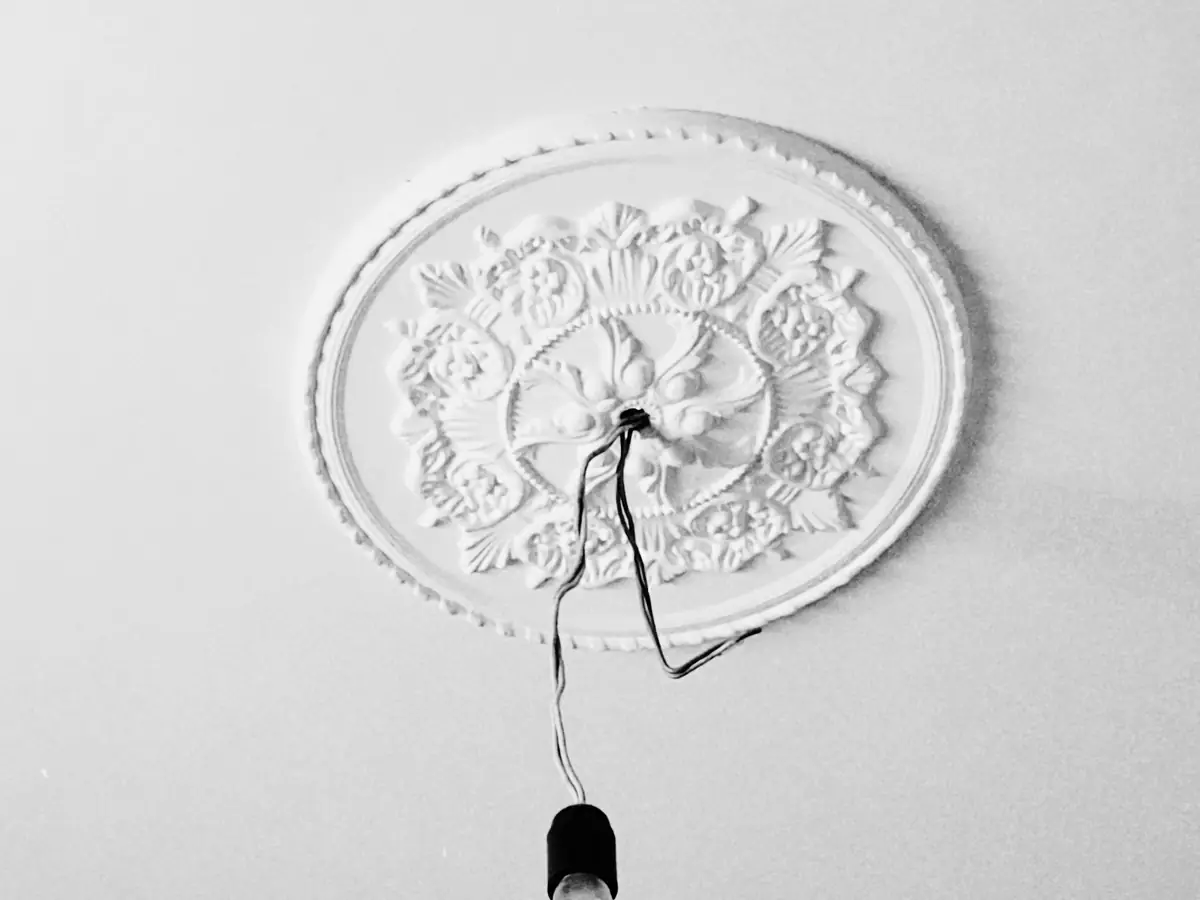
Beyond coving and cornice, the same craft covers ceiling roses from small plain discs to large floral centrepieces, corbels under arches and beams, dado rails and picture rails, panel mouldings for walls, and the plaster niches and arches that Edwardian halls are fond of. Each is a stock casting or one cast to order, fixed and made good in the same way.
A ceiling rose around a modern pendant is an easy, inexpensive way to give a plain room a centre. A dado rail in a hall protects the wall as well as decorating it.
Mouldings we supply and fit
In a Victorian terrace in Headingley or a stone villa in Harrogate, cornice is part of the architecture and the right move is usually to put back what was there. In a new-build or a flat conversion the question is different: a plain, shallow cove or a crisp shadow-gap profile gives a finished line without pretending to be old. Both are legitimate; the wrong choice is a heavy Victorian pattern in a modern box or a thin polystyrene strip in a period room.
Painted in the ceiling colour, cornice softens a room; picked out in a contrast or a heritage shade it becomes the feature. We can advise, but it is your house.
Send a photograph of the existing moulding, if there is one, and the rough size of the rooms. For plain coving we can often quote from that. For period cornice and repairs a visit is needed to measure the profile, count the mitres and see what the ceiling line is doing. The written quote lists supply, fitting, filling and any plastering of the line separately, with a start date once the mouldings are in.
Coving is usually the last plastering job before the decorator, so if walls or ceilings are also being skimmed we sequence the two so the cove goes on to a dry, flat surface.
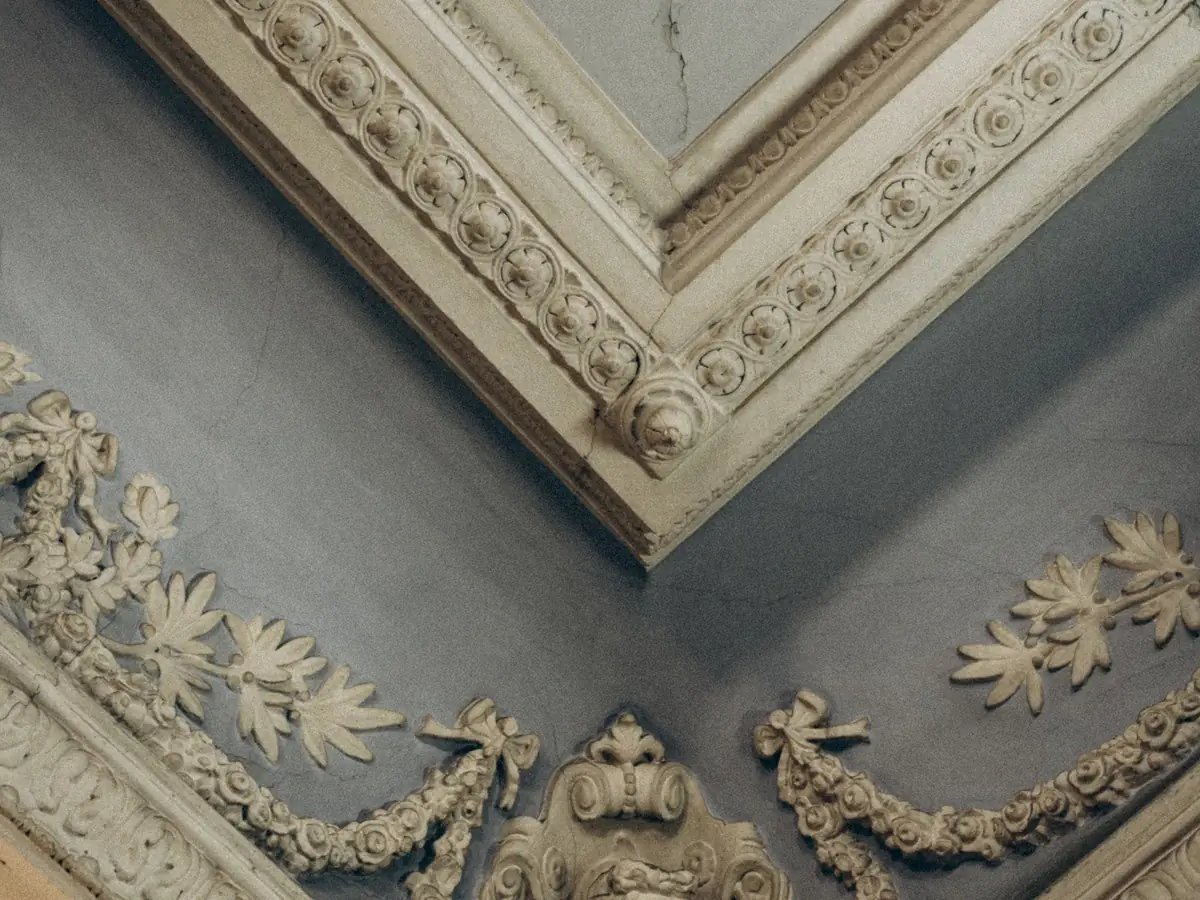
profile and mitres
Rooms measured, the existing profile gauged or squeezed, corners counted, and the ceiling line checked for straightness before anything is ordered.
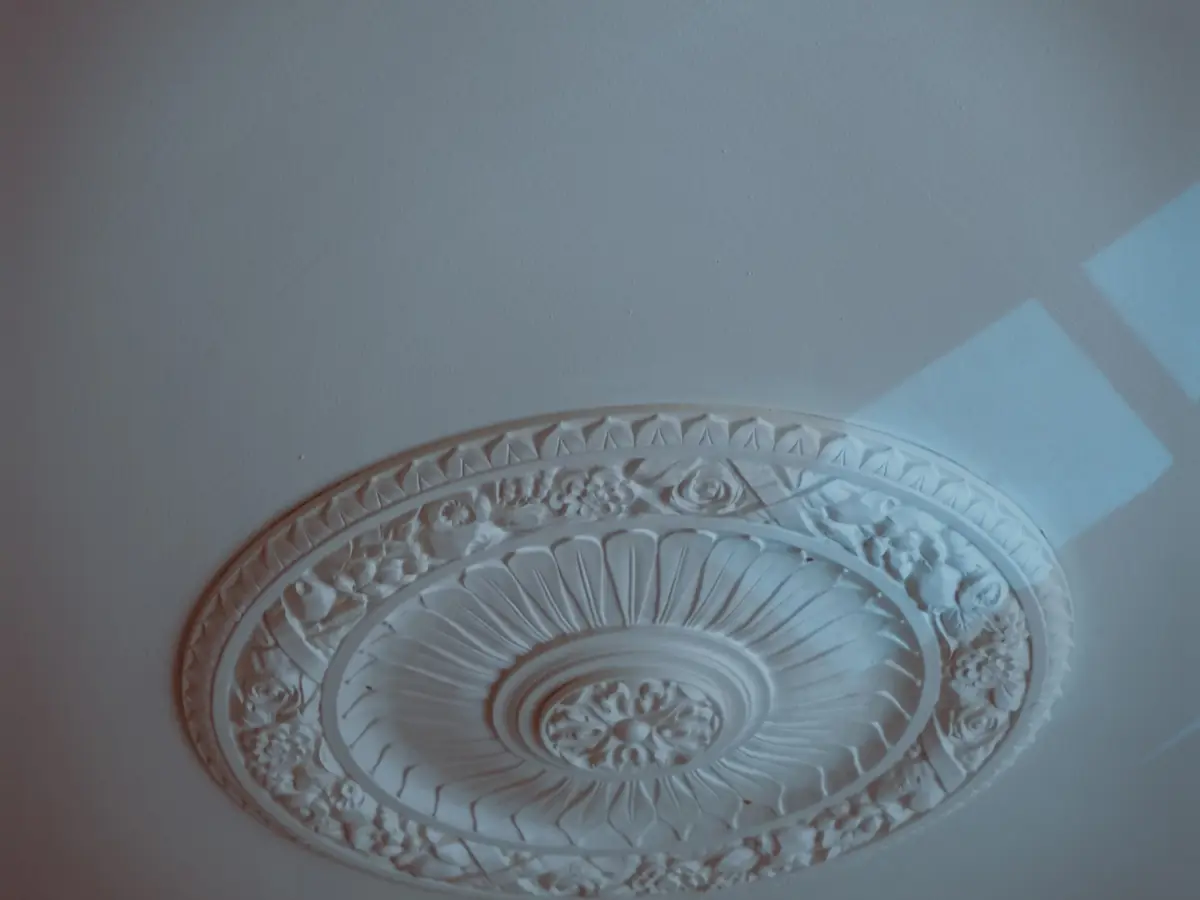
stock or cast
Stock lengths or cast runs ordered with waste allowed, delivered and stored flat. Roses and corbels cast to size.
line, cut, bond
Line marked, mitres cut, mouldings bonded and pinned, heavier cornice screwed. Joints and mitres packed and filled.
one surface
Sanded so paint finds a single continuous surface, room hoovered, decorator told when it is ready.
Next step
Plain coving can often be priced from a photo and room sizes. Period cornice, roses and repairs get a measuring visit. A surveyor calls back to arrange either.
Ask to see a finished coving & cornice job like yours before you book. The survey is where that conversation starts.
Quick Quote OnlineAreas covered
We are a service-area business: no showroom, the team travels to you. Coving & Cornice is quoted from the same survey visit in every town on the list, and the map shows where we are based.
Leeds postcodes come first, then Bradford, Wakefield, Dewsbury, Huddersfield, Halifax, Harrogate and Barnsley, with the smaller towns between them on the same run. The full list of fifty is on the areas we cover.
Related services
Plastering
Skimming, boarding and float-and-set for single rooms through to whole-house refurbishments.
Lime Plastering
Breathable lime plaster and lime render for older walls, repairs and heritage-sensitive finishes.

Venetian & Polished Plaster
Marmorino, lucido and microcement finishes for feature walls, bathrooms and commercial fit-outs.
Questions

If your question is not here, the quickest route is the contact page, where the same form and number sit with the map. Longer answers on drying times, blown plaster and render systems live in our plastering guides.
Usually. A profile gauge or a squeeze mould is taken from the original, matched to a stock pattern if one is close enough, or cast fresh if not. The new run is fitted so it meets the old without a step.
Plaster. Fibrous or gypsum coving has crisp edges, takes paint properly and lasts the life of the house. Polystyrene never looks like plaster and we do not fit it. Lightweight polymer coving is a reasonable middle option for plain profiles.
Yes. A section is cast from an intact run of the same profile and let into the gap, then filled and blended so the line reads as continuous.
Ideally yes. Coving needs a straight, dry line to sit on, so where walls or ceilings are being skimmed we do that first and fit the cove once it has dried.
Yes, from small plain discs to large decorative centrepieces, sized to the room and the light fitting, and fixed so the pendant weight is carried by the ceiling, not the rose.
Not if the mitres and joints are packed, filled and sanded properly, which is most of the labour in a coving job. We check the run in raking light before handing over to the decorator.
Quick Quote
Room sizes, what the surface is now, and what you want it to be. A surveyor reads it before calling, so the visit is booked knowing what to bring.