

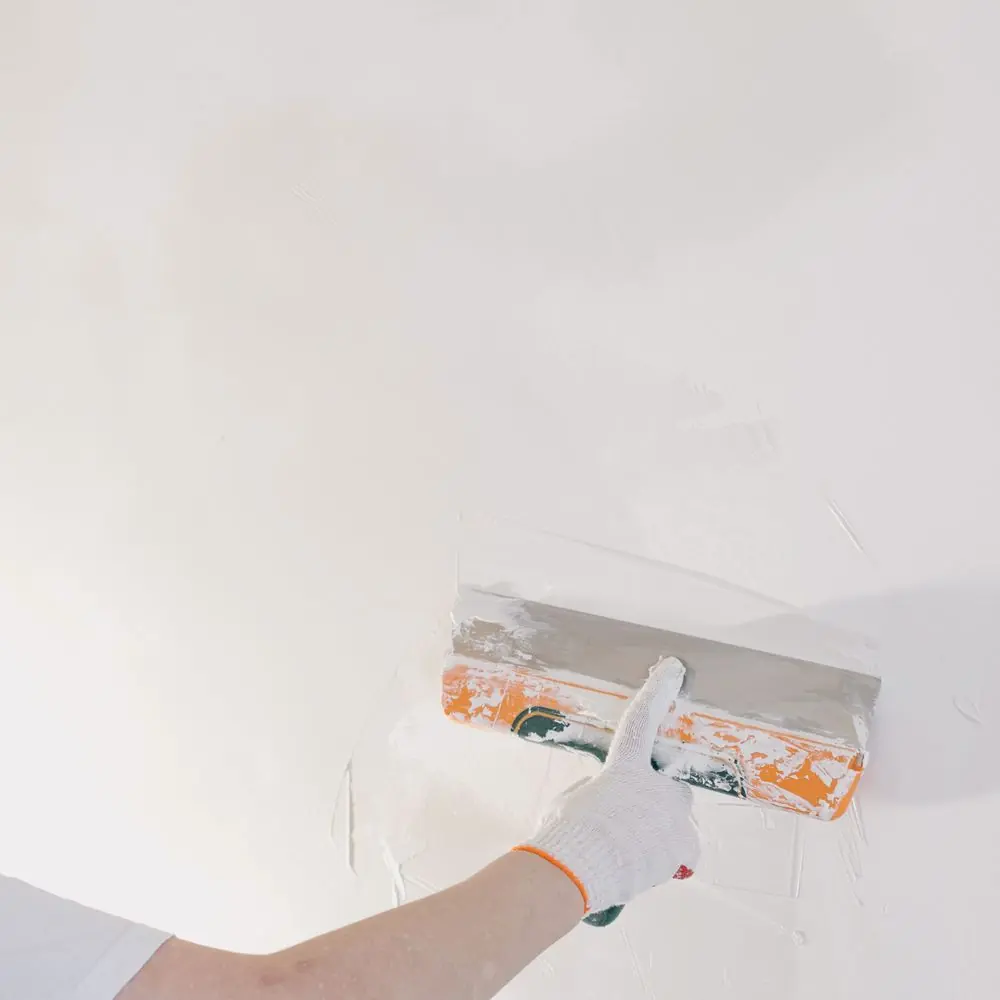
Plastering
plasterer in Leeds
Skimming, boarding and float-and-set for single rooms through to whole-house refurbishments.
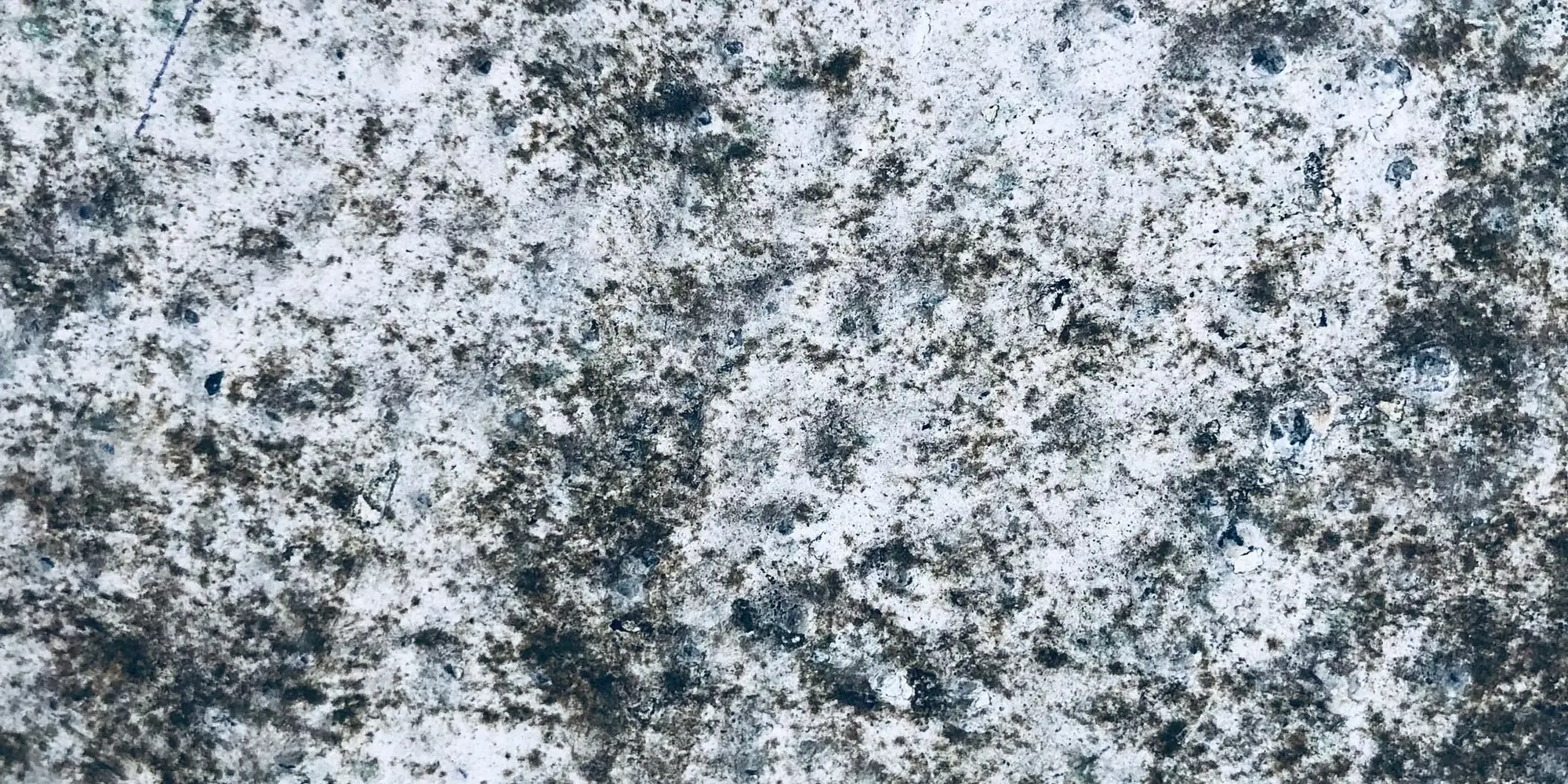
Damp & Mould Treatment · Leeds and West Yorkshire
Black mould in a bedroom corner, a tide mark on the hall wall, plaster that blows every winter. Painting over it lasts a season. Finding where the water comes from, stopping it, and replastering in the right material lasts.
What the job covers
Damp is a symptom. Mould is a symptom of damp. Treating either without finding the water is why the same wall gets painted with anti-mould paint every autumn and is black again by February. There are only a handful of causes: condensation from a cold wall and poor ventilation, rain getting through a failed render, gutter or roof, water rising from the ground where a damp course is missing or bridged, or a plumbing leak. Each looks slightly different, each is tested differently, and each has a different fix.
Invicta approaches damp as plasterers who see the consequences every week. The survey finds the cause, the cause is dealt with, the mould is removed safely, and then the wall is rebuilt in a material that suits it: gypsum on a dry modern wall, lime plaster for old walls that need to breathe, or an insulated lining where the wall is simply cold. Where the outside of the house is letting water in, render repairs are quoted at the same visit.
What a damp and mould job can include
The visit starts by looking rather than metering. Where the mould is tells us a lot: in the top corners and behind furniture it is nearly always condensation; a tide mark at skirting height suggests rising damp or a bridged damp course; a patch below a window or near a gutter is penetrating damp; a patch that follows a pipe run is a leak. Then the meters come out to map the moisture, the wall temperature is checked, and we go outside to look at the render, pointing, gutters, ground levels and air bricks.
The survey ends with a diagnosis written in plain language, what needs doing to stop the water, and what the wall will need afterwards. If the fix is outside our trade, a leaking roof for example, we say so.
Mould on a painted surface is cleaned off with a fungicidal wash, the room is ventilated, and the surface is treated. Mould that has got into the plaster or behind wallpaper cannot be cleaned; the affected plaster is hacked off and disposed of, and the wall is treated before it is rebuilt. Where mould is extensive, the area is sheeted off, the operatives wear respiratory protection, and the debris is bagged rather than carried through the house.
None of that is permanent unless the moisture has been dealt with, so remediation follows the cause, not the other way round.
Condensation is the commonest cause of mould in Leeds housing: warm moist air from cooking, washing and breathing meets a cold external wall and condenses. The fix is a combination of warmer wall surfaces, better ventilation and fewer moisture sources. On the wall side, an insulated lining or external wall insulation lifts the surface temperature above the dew point. On the ventilation side, working extractor fans in kitchens and bathrooms and trickle vents on windows matter more than any paint.
Penetrating damp is fixed outside: render, pointing, gutters, flashings. Rising damp, which is rarer than the industry suggests, is fixed by finding the bridge (raised ground, a solid floor, render below the damp course) before reaching for a chemical injection. Leaks are fixed by a plumber, then the wall is dried and rebuilt.
The four causes and their tells
The black mould most people worry about grows on damp, still surfaces and behind wardrobes, in the reveals of single-glazed windows, and on the cold north corner of a bedroom. It spreads by spores that settle everywhere the air goes, which is why cleaning one patch does not stop the next appearing. Hidden growth behind wallpaper, behind dot-and-dab plasterboard on a cold wall, and inside a boxed-in pipe run is found by looking, metering and, where needed, opening up.
Once the wall is warm and dry the spores have nothing to grow on. That is the only permanent mould treatment there is.
Mould spores are an irritant and, for people with asthma or a weakened immune system, more than that. Contaminated plaster is removed with the room sheeted and the operatives masked, the debris is bagged in the room, and surfaces are cleaned with a fungicidal wash rather than dry-brushed, which just puts spores in the air. Occupants, particularly children and anyone with a chest condition, are asked to stay out of the room while it is done.
The same care applies to older ceilings that may contain asbestos: nothing is disturbed until it has been checked.
Leeds has something like 19,500 back-to-backs still in use and a housing stock that is mostly terraces and inter-war semis. Solid walls, no cavities, chimney breasts on the party wall, kitchens and bathrooms added later without extraction: these are the houses where damp and mould calls come from, across Harehills, Headingley, Armley, Beeston and the older parts of every town around. Landlords and letting agents use us because a damp report and a fix in one visit is quicker than a specialist survey followed by a plasterer.
The towns we cover, and what each is like to work in, are listed further down the page.
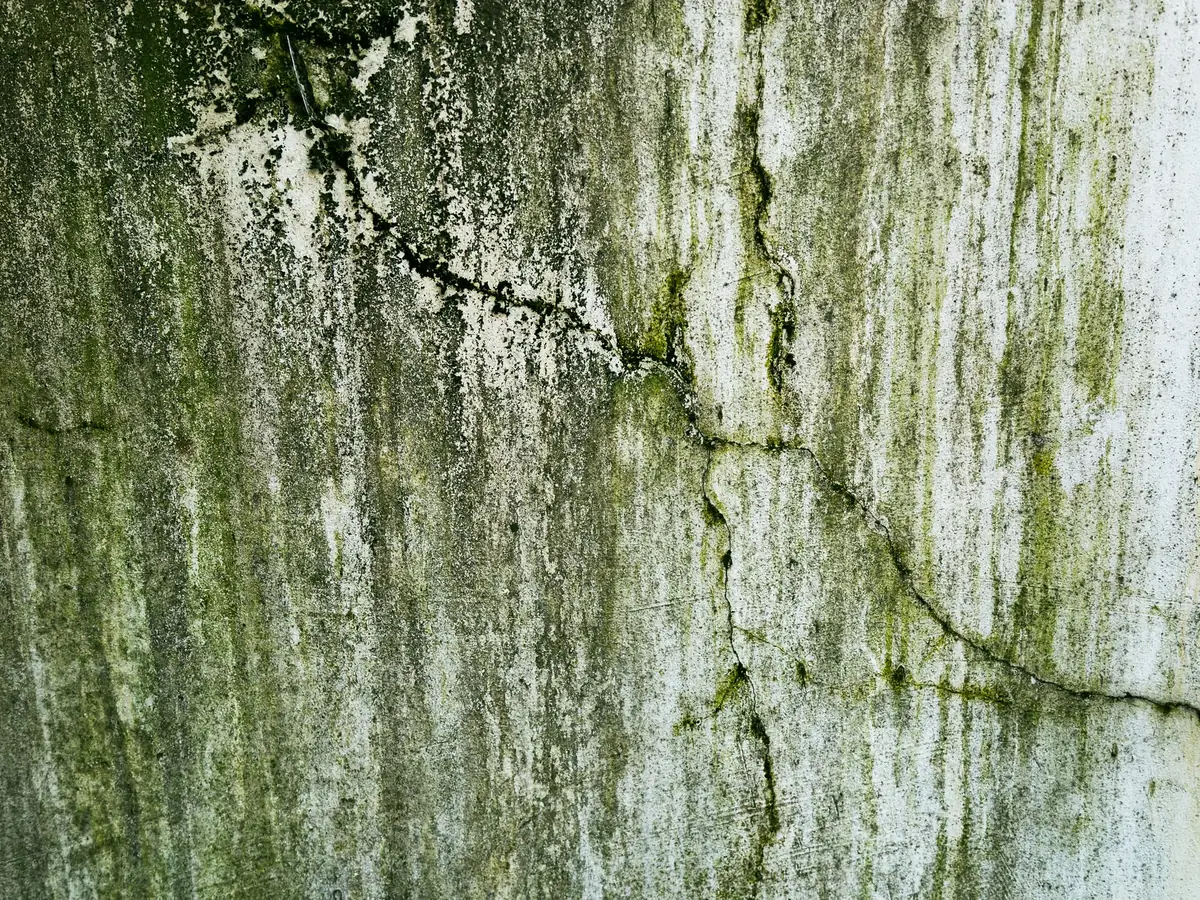
cause first
Look, meter, check the wall temperature, go outside. A written diagnosis of which of the four causes it is and what stops it.

outside or in
Render, pointing, gutters or ground levels fixed; ventilation and insulation sorted for condensation; a plumber for leaks.
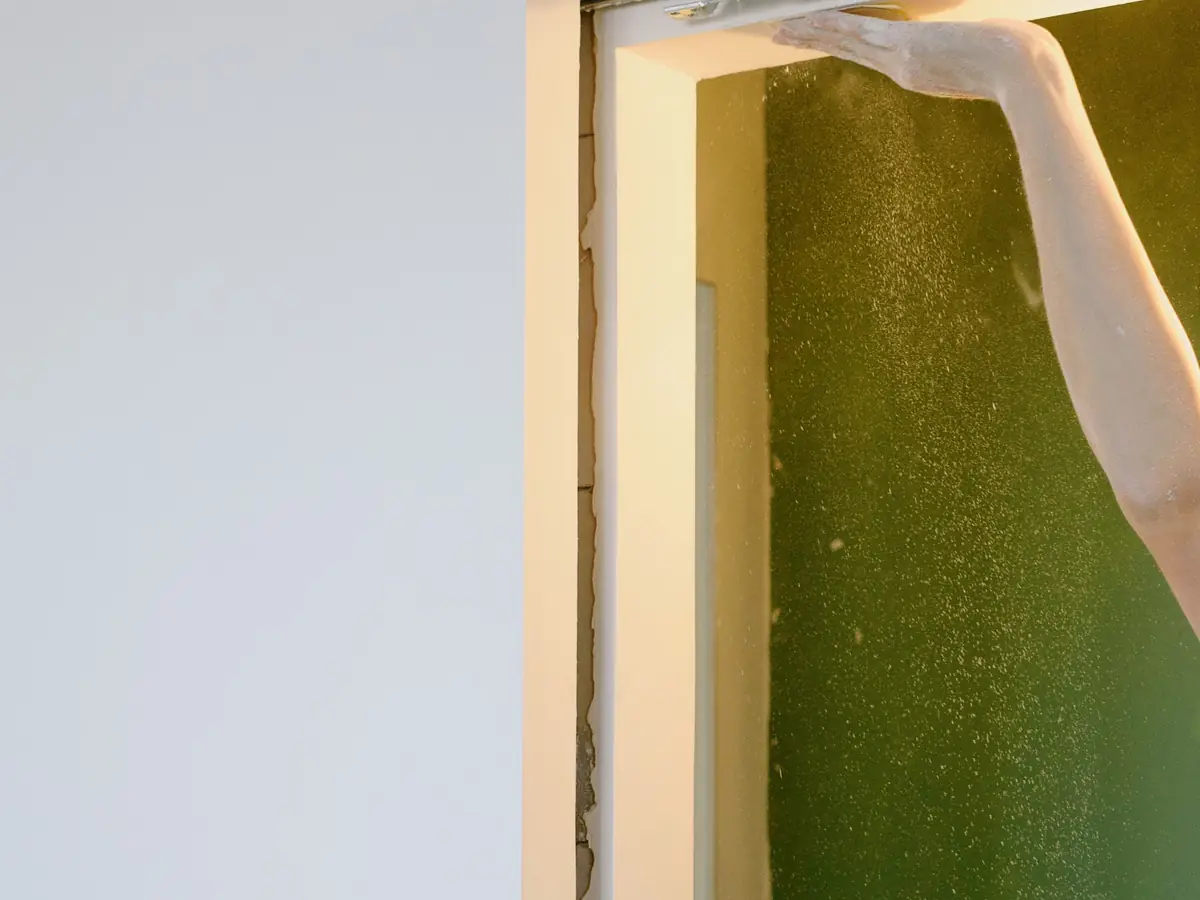
sheeted and masked
Contaminated plaster off, surfaces treated, debris bagged in the room. Nothing rebuilt on to a wet wall.

right material
Gypsum, lime or an insulated lining depending on the wall, then drying and ventilation advice in writing.
Next step
Which room, which wall, when it appears. A surveyor calls back to book a visit; the diagnosis comes before any quote.
Ask to see a finished damp & mould treatment job like yours before you book. The survey is where that conversation starts.
Quick Quote OnlineAreas covered
We are a service-area business: no showroom, the team travels to you. Damp & Mould Treatment is quoted from the same survey visit in every town on the list, and the map shows where we are based.
Leeds postcodes come first, then Bradford, Wakefield, Dewsbury, Huddersfield, Halifax, Harrogate and Barnsley, with the smaller towns between them on the same run. The full list of fifty is on the areas we cover.
Related services
Plastering
Skimming, boarding and float-and-set for single rooms through to whole-house refurbishments.
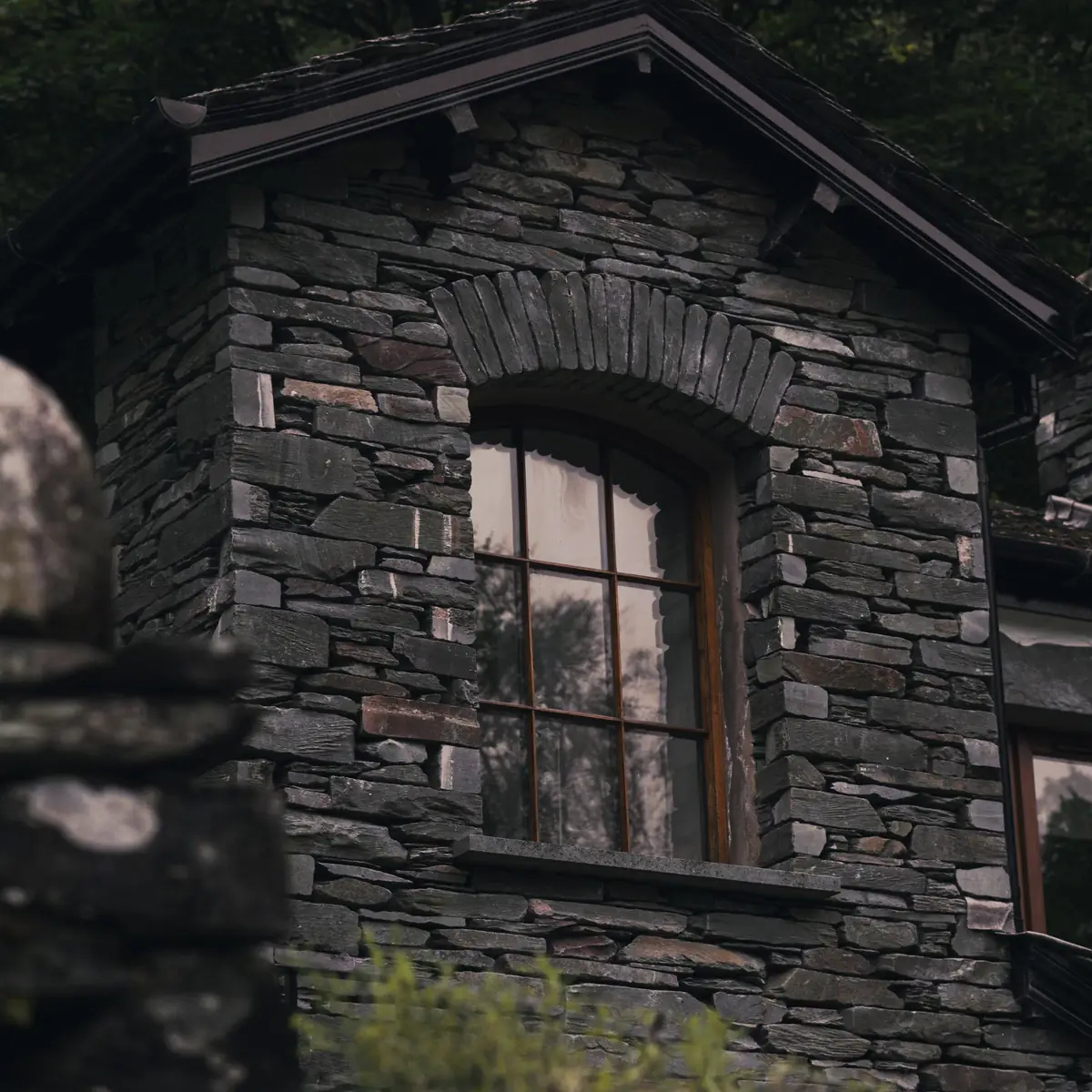
Lime Plastering
Breathable lime plaster and lime render for older walls, repairs and heritage-sensitive finishes.
External Wall Insulation
Insulation boards fixed, meshed and rendered in one package for solid-wall houses.
Questions
If your question is not here, the quickest route is the contact page, where the same form and number sit with the map. Longer answers on drying times, blown plaster and render systems live in our plastering guides.
Less often than people are told. A tide mark at low level on a ground-floor wall with salts in the plaster can be rising damp, but it is more often a bridged damp course, raised ground outside or condensation. The survey tests for it rather than assuming it.
We can clean and treat it, but it will come back unless the moisture is dealt with. The survey finds the cause and the quote covers fixing it, because that is the only version of the job that lasts.
Where a damp course is genuinely missing or failed and the survey proves it, yes, and we replaster with a suitable render afterwards. We do not inject walls by default; most of the time the fix is elsewhere.
It has to dry through first, which can be weeks depending on the wall and the season. Plastering a wet wall traps the water. We meter it and come back when it is ready.
It is an irritant for everyone and a real risk for people with asthma, allergies or a weak immune system, especially children and older people. That is why contaminated plaster is removed with the room sheeted and masked, not brushed down.
Yes. The survey findings are written in plain language with the cause, the recommended fix and the quote, which is usually what an agent needs to authorise the work.
Quick Quote
Room sizes, what the surface is now, and what you want it to be. A surveyor reads it before calling, so the visit is booked knowing what to bring.