

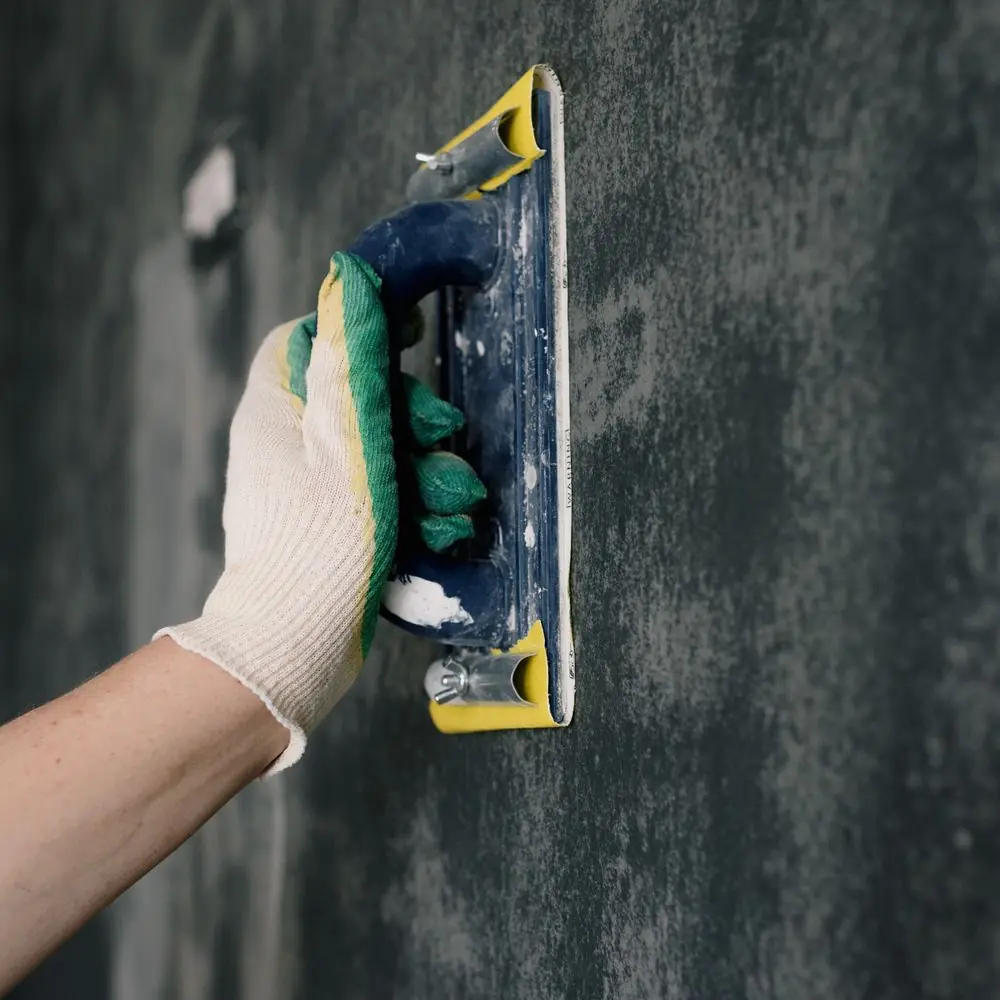
Rendering
house rendering
Sand and cement, monocouche and re-render work on brick, block and previously rendered walls.
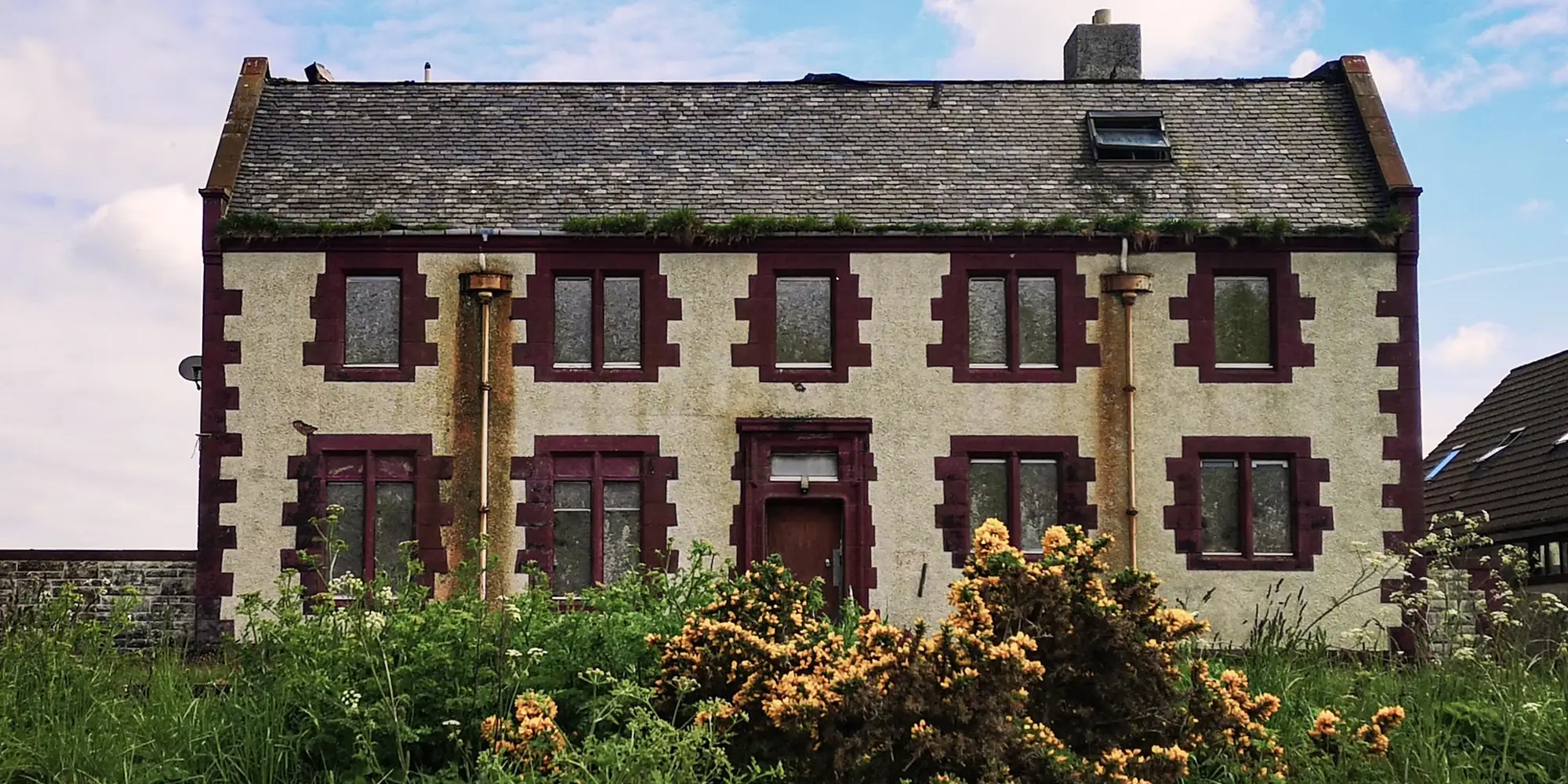
Silicone Render · Leeds and West Yorkshire
A thin, flexible, water-repellent coat that keeps its colour and shrugs off the West Yorkshire weather. Applied over a meshed base coat on brick, block, old render or insulation boards.
What the job covers
Silicone render is the finish coat most people are asking for when they say they want their house "rendered properly". It is a factory-made, through-coloured render applied thinly over a reinforced base coat. Because the colour runs all the way through, chips do not show grey. Because the silicone resin repels water, the wall stays drier and the algae that turns a north-facing gable green has nothing to feed on. And because it stays slightly flexible, it copes with the small movements that crack a rigid cement render.
Invicta applies silicone systems from K Rend, Weber and comparable manufacturers to new blockwork, to sound existing render and over insulation boards. Where a wall is beyond saving, general external rendering covers the strip and rebuild first; where the wall is solid and cold, the same finish goes over insulated render boards. Either way the finish is the last layer of a system, not a coat of paint.
What a silicone render job can include
A silicone render is a system, not a single product. The base coat is a polymer-modified cement render with an alkali-resistant mesh pressed into it, which spreads the stresses of the wall and stops cracks telegraphing through. A coloured primer goes over that. Then the silicone finish, usually 1.5mm or so thick, is trowelled on and floated to a fine, even texture. Skip a layer and you have a coloured coating on an unreinforced wall, which is where the reputation for cracking comes from.
Silicone-silicate hybrids sit between silicone and mineral renders, with a slightly more matt look and good breathability. Pure silicone is the most water-repellent and the easiest to keep clean. We will match the system to the wall, the exposure and the look you are after.
The practical case is simple. No painting, ever: the colour is in the render. Water beads and runs off, so the wall stays drier through winter and the inside of a solid wall is less likely to blow. It stays flexible, so the hairline cracking that cement render suffers on an older house is far less likely. It is vapour-open enough to let a wall dry outwards. And it is easy to keep clean, because dirt sits on the surface rather than soaking in.
The visual case is that a silicone finish looks even and considered across a whole elevation, with a fine texture that reads as one surface rather than a patchwork of painted repairs. On a Leeds semi or a stone-fronted terrace it modernises the house without shouting.
Monocouche is the other through-colour option: a single thick coat, usually around 15mm, applied in two passes and scraped back with a nail float once it has firmed, which gives the sparkly, open texture you see on a lot of new-build estates. It is cheaper per square metre than a full silicone system, needs no separate base coat on a good block wall, and is very durable. It is also more rigid than silicone and needs a sound, consistent background.
Acrylic thin-coat renders are the third option: tough and vivid in colour, but less breathable than silicone, so we tend to keep them to modern cavity walls. The right choice is usually obvious once the wall has been looked at.
Rough guide to which fits where
Scaffold goes up and the wall is cleaned, repaired and primed. Beads are fixed at every corner, sill and stop so the edges are crisp. The base coat goes on and the mesh is bedded into it while wet, lapped at every joint, then the base coat is closed over the top and left to cure. Once cured, the coloured primer is rolled on, and finally the silicone finish is applied in one continuous pass per elevation so there are no dry joins.
Temperature and rain matter. Silicone finishes need a dry window to cure and cannot go on in frost, so the programme allows for the forecast. On a typical semi the whole job, scaffold to strike, runs a couple of weeks.
Manufacturers offer a wide palette: whites, creams, sandstone tones that sit well against Yorkshire stone, greys from pale to charcoal, and stronger colours where a planning authority allows them. Texture is chosen separately, from a fine 1mm float to a coarser 2mm or 3mm grain that hides more of the wall beneath. Smooth-look silicone finishes exist for a contemporary flat face, though they show every ripple in the base coat and need very careful preparation.
We bring physical samples to the survey, because a colour on a screen is not the colour on a north-facing wall in November. Corner details, quoins and contrasting bands can be picked out in a second colour if the house suits it.
What drives the price of a silicone render job: the area, the number of storeys and how easily scaffold can be set, how much repair or stripping the existing wall needs, whether insulation is being added, and the finish chosen. Silicone costs more in materials than sand and cement or monocouche, and less over the life of the house because nothing needs repainting. The written quote separates scaffold, preparation, base coat and finish so nothing is hidden inside a lump sum.
Access is the variable people forget. A gable over a conservatory, a wall against a neighbour's boundary or a busy pavement each change how the scaffold is built and what it costs.
Silicone is the natural finish for external wall insulation. Insulation boards are fixed to the wall, base-coated and meshed, and then finished in silicone exactly as a bare wall would be. The result is a solid-walled house with a warm, dry, coloured skin, done as one job with one contractor responsible for the whole build-up. The finish is identical to a silicone render on a bare wall; only the layers behind it differ.
If you are thinking about rendering an uninsulated solid wall, it is worth pricing the insulated version at the same visit. The scaffold and the finish are shared, so the difference is mostly the boards.
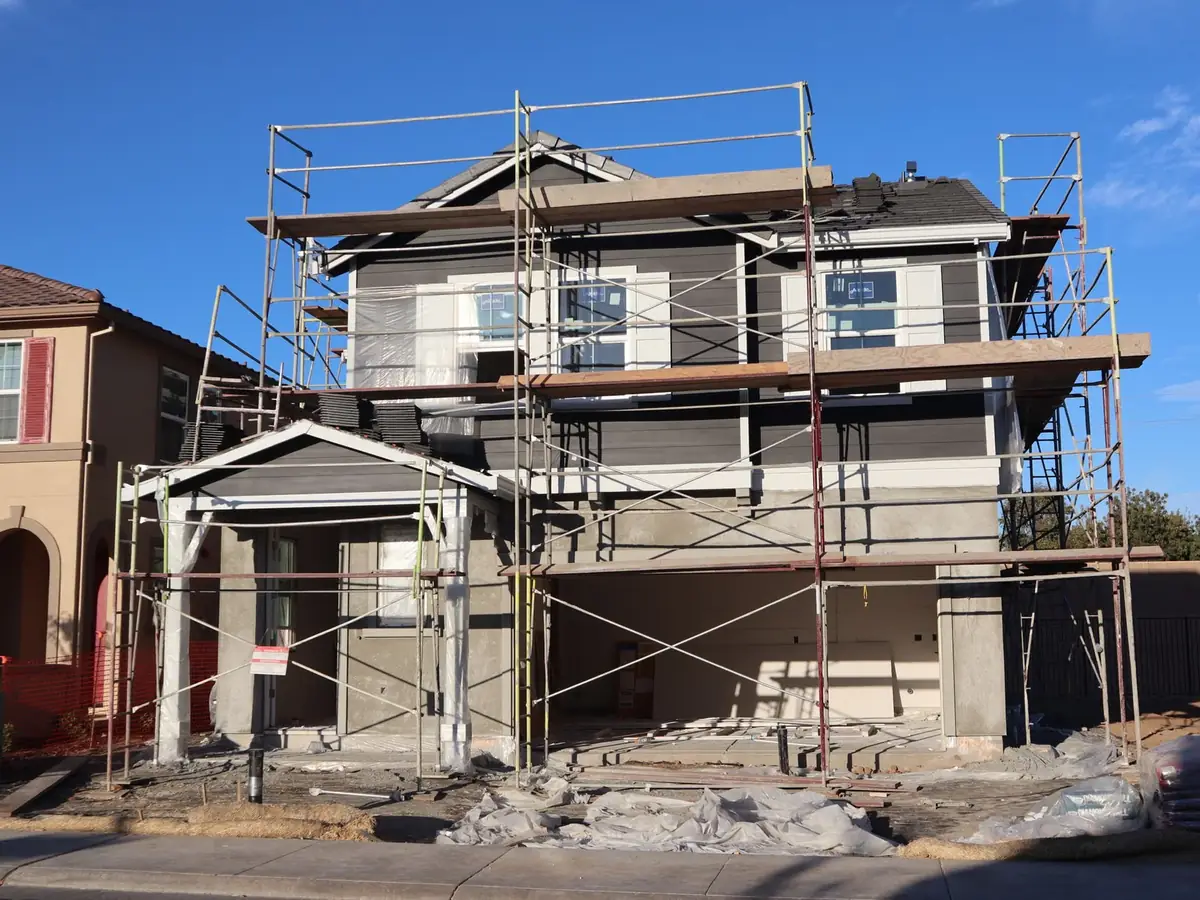
wall and exposure
Substrate identified, existing render tapped, exposure and access noted. Samples chosen for colour and texture on the actual wall.
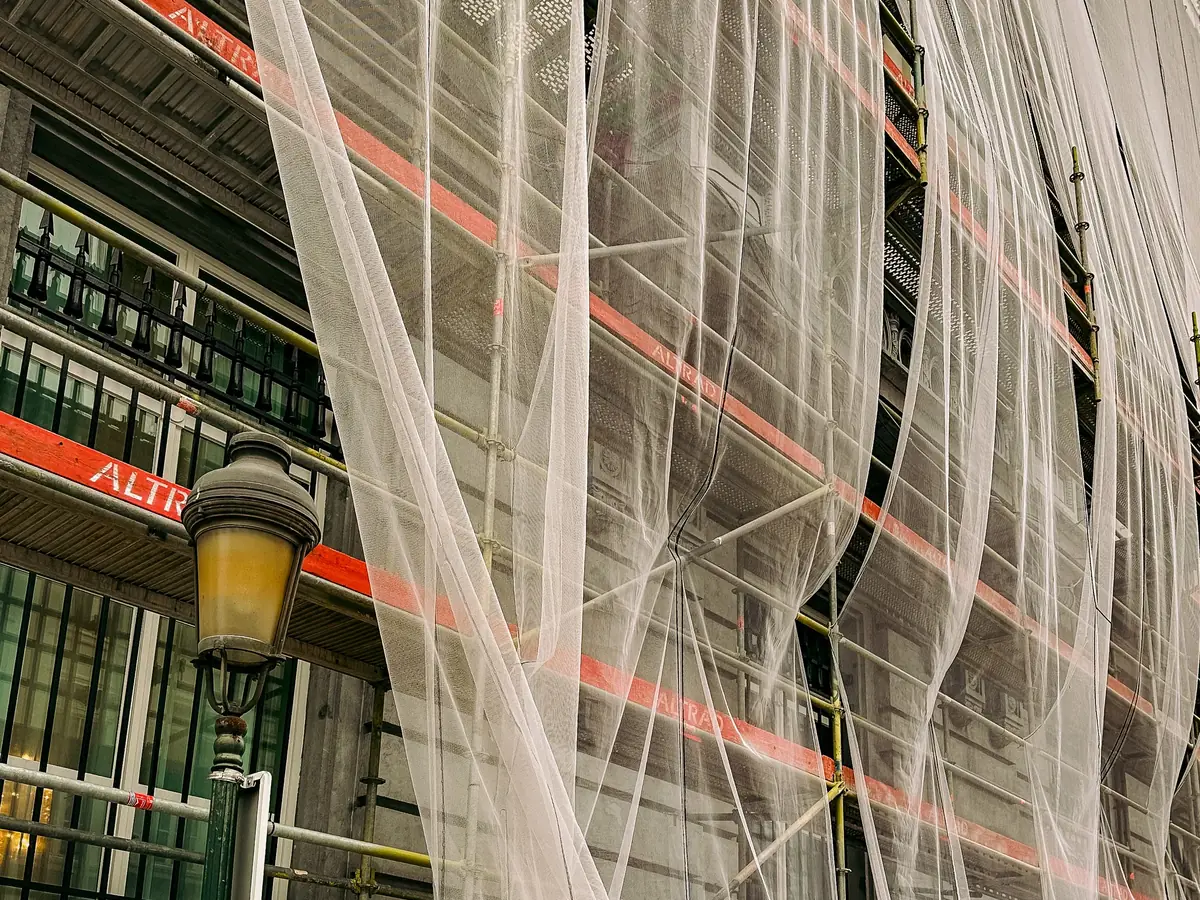
mesh bedded in
Wall repaired and primed, beads set, base coat applied with mesh lapped and closed over, then left to cure.
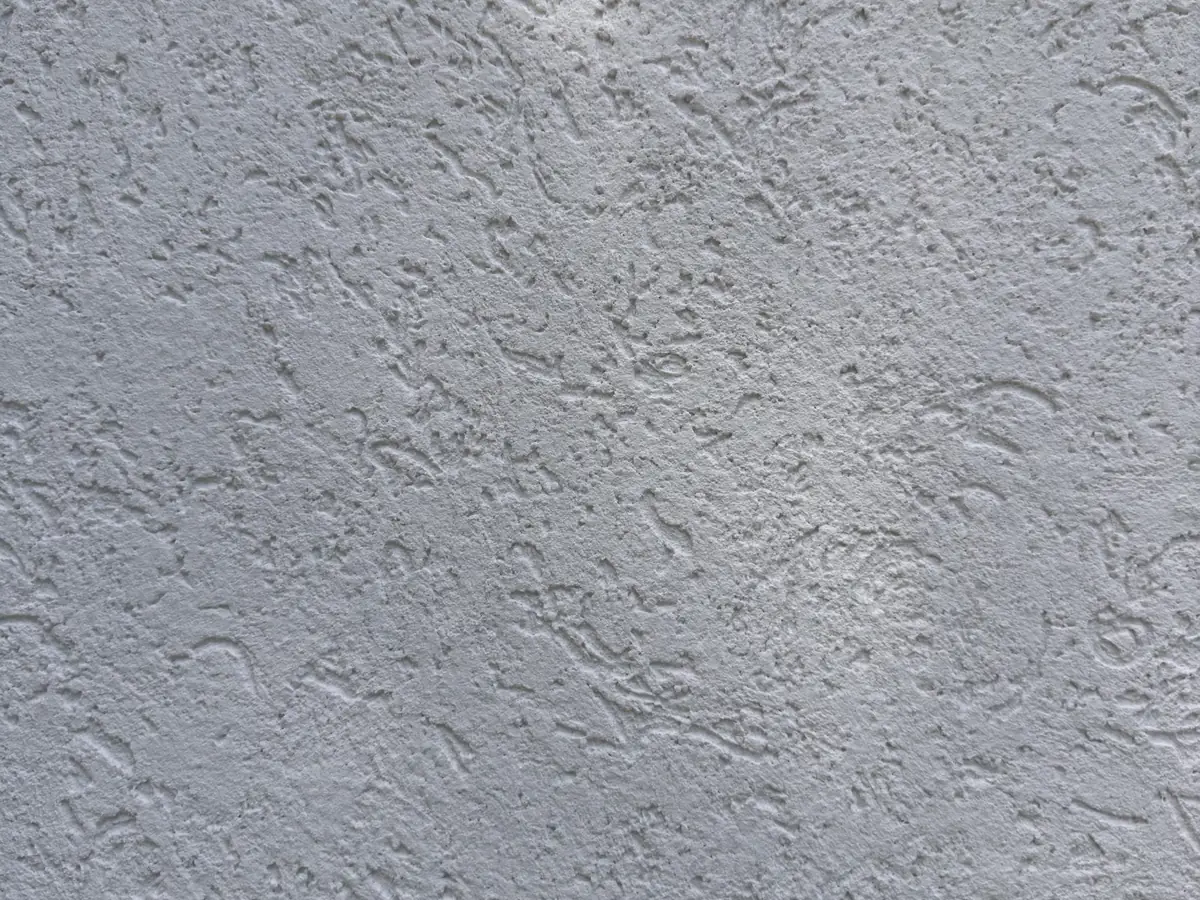
one pass per wall
Coloured primer, then the silicone finish floated to texture in a single continuous pass per elevation, in a dry weather window.
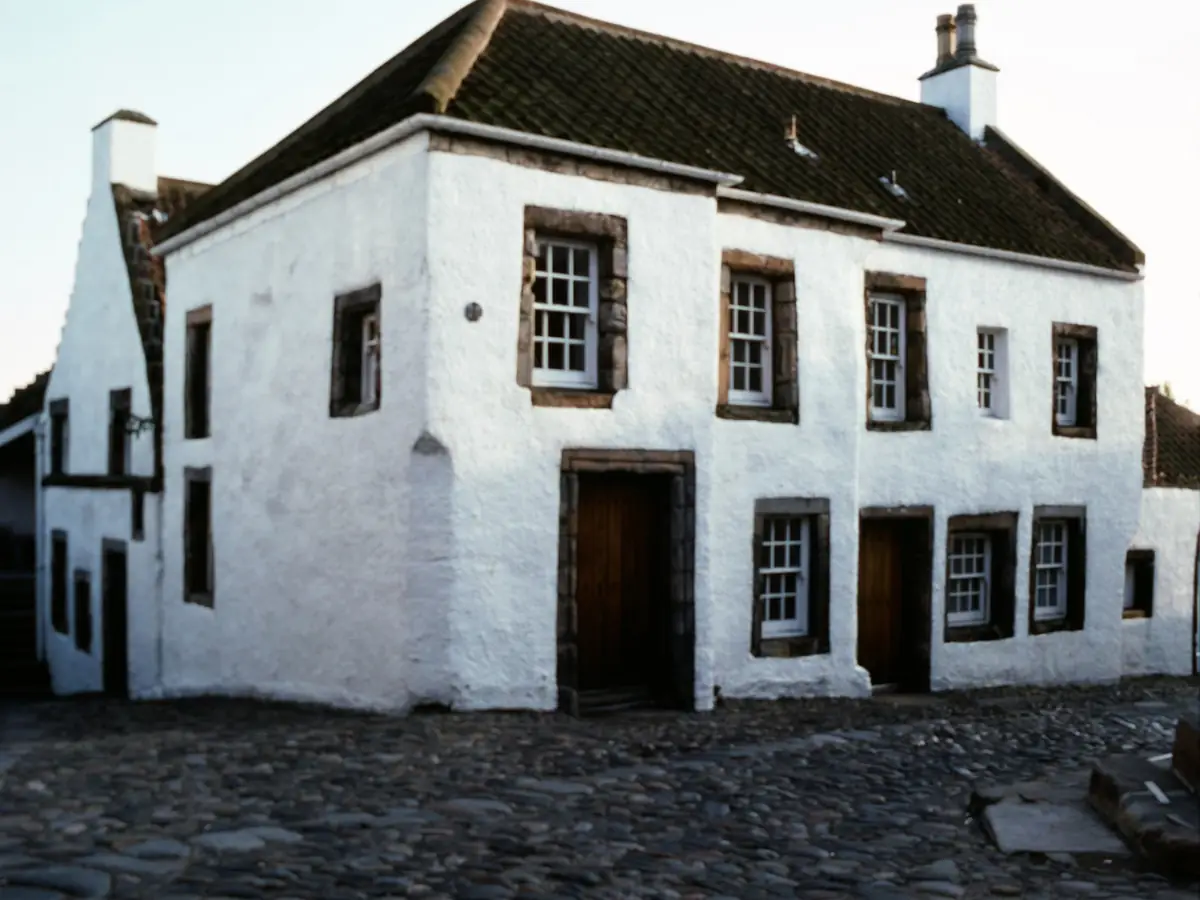
no painting to do
Scaffold struck, beads and sills checked, a walk round with you. Nothing to paint, now or later.
Next step
Send the elevations you want doing and roughly how tall the house is. A surveyor calls back with a date and brings the sample boards with them.
Ask to see a finished silicone render job like yours before you book. The survey is where that conversation starts.
Quick Quote OnlineAreas covered
We are a service-area business: no showroom, the team travels to you. Silicone Render is quoted from the same survey visit in every town on the list, and the map shows where we are based.
Leeds postcodes come first, then Bradford, Wakefield, Dewsbury, Huddersfield, Halifax, Harrogate and Barnsley, with the smaller towns between them on the same run. The full list of fifty is on the areas we cover.
Related services
Rendering
Sand and cement, monocouche and re-render work on brick, block and previously rendered walls.
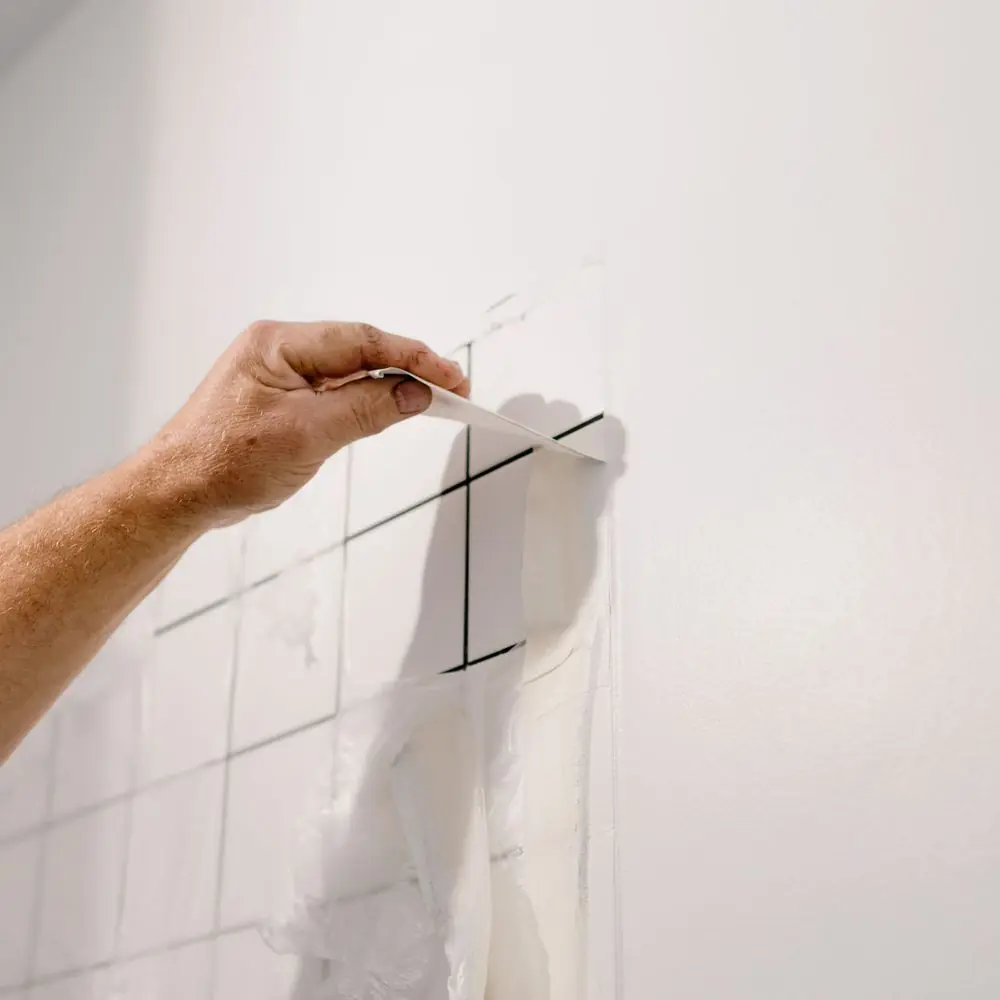
External Wall Insulation
Insulation boards fixed, meshed and rendered in one package for solid-wall houses.
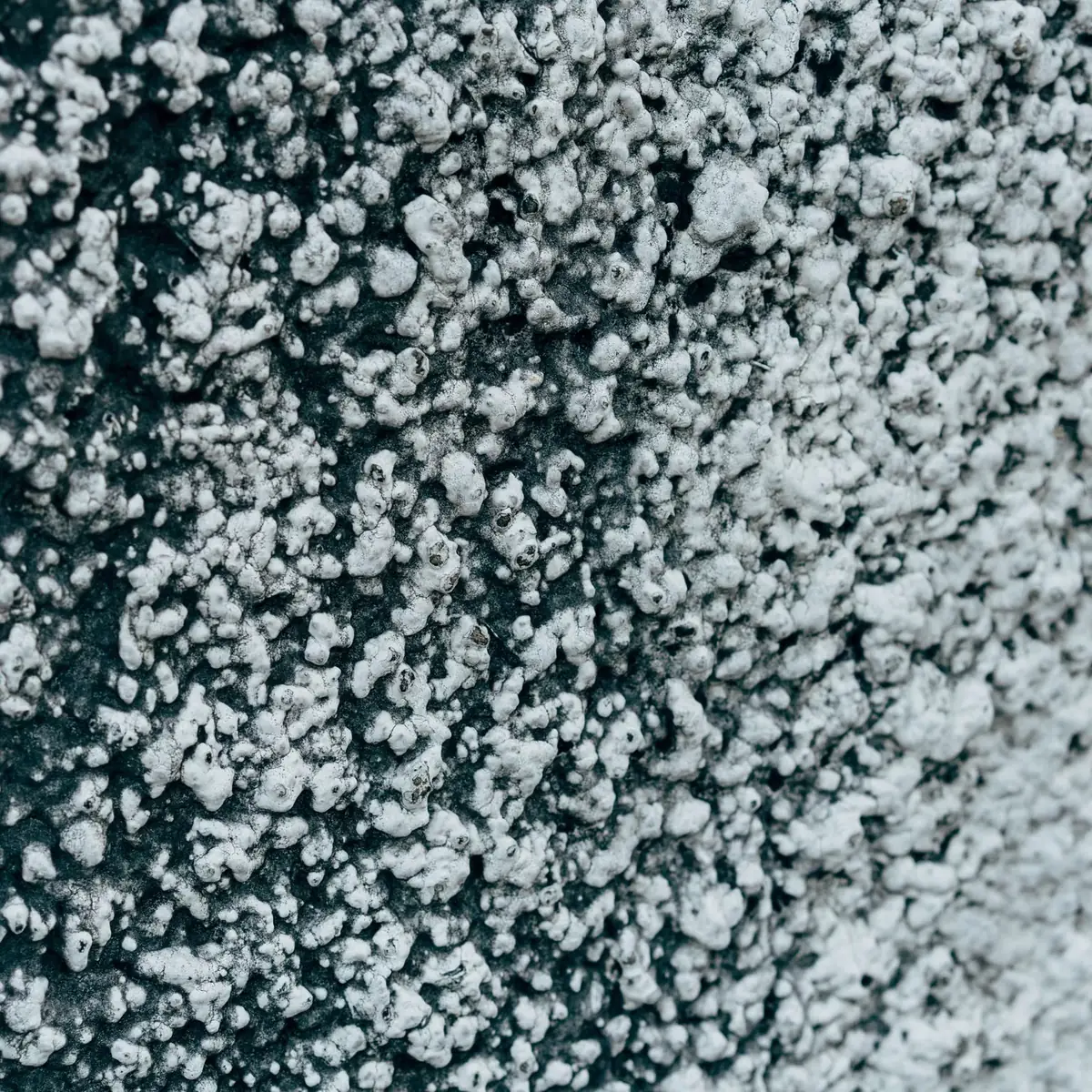
Pebbledash
Pebbledash and roughcast application, repair and removal, with substrate preparation and re-rendering where needed.
Questions
If your question is not here, the quickest route is the contact page, where the same form and number sit with the map. Longer answers on drying times, blown plaster and render systems live in our plastering guides.
K Rend is a manufacturer; silicone render is a type of finish. K Rend makes silicone thin-coat renders as well as monocouche and other products, as do Weber and others. When people ask for "K Rend" they usually mean a through-coloured render that does not need painting, and we will specify the product that fits the wall.
If the old render is sound and dry, yes: it is cleaned, primed and given a meshed base coat first, then finished. If it is hollow or cracked through it comes off. We tap every elevation at the survey to find out.
Far less than cement render, because it stays flexible and the mesh in the base coat spreads movement. Cracks in a silicone system usually mean the base coat or mesh was skipped, or the wall behind it moved more than any render could take.
Most dirt washes off with a hose or a soft brush and water. Algae on a shaded wall is treated with a biocidal wash rather than pressure-washed. It should never need painting.
It is vapour-permeable, so a wall can dry outwards through it, while its surface repels liquid water. That combination is what makes it suitable over insulation and on older walls where a sealed cement render would trap moisture.
A properly applied system on a sound wall is a long-term finish, typically measured in decades rather than years, with only cleaning as maintenance. Manufacturers publish their own guarantees; we will tell you what applies to the product specified for your house.
Quick Quote
Room sizes, what the surface is now, and what you want it to be. A surveyor reads it before calling, so the visit is booked knowing what to bring.