

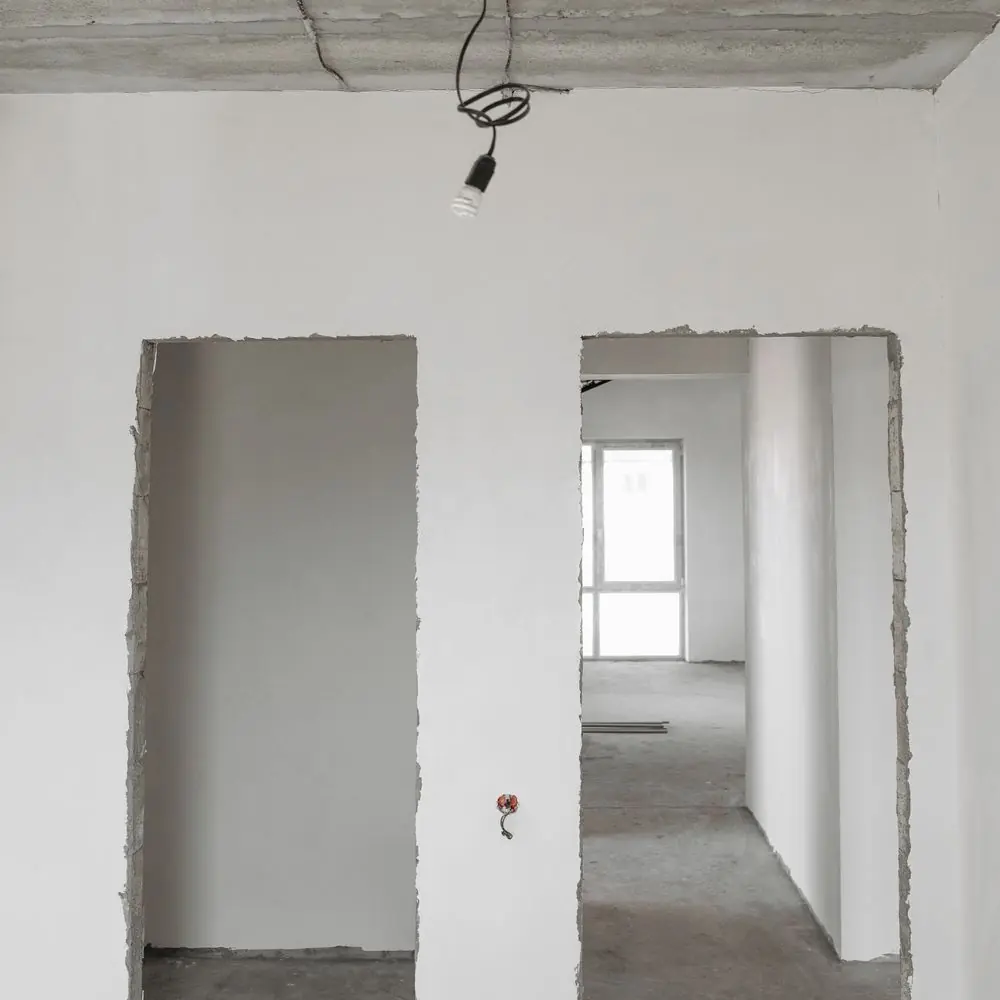
Drylining Walls
drylining contractors
Dot and dab, metal-frame linings and tape-and-joint, left ready for skim or paint.
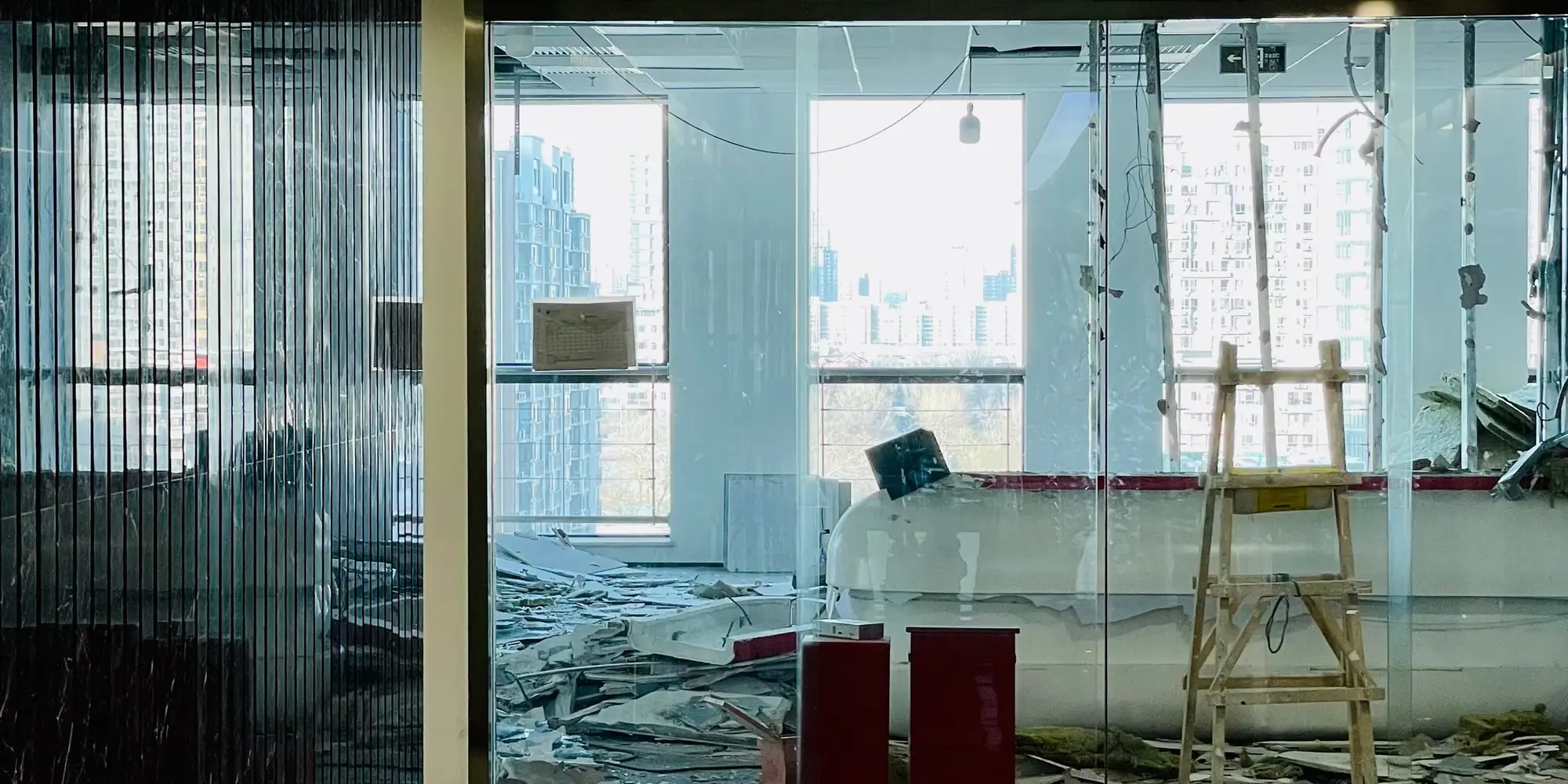
Dilapidations Contractor · Leeds and West Yorkshire
A lease ends, a schedule of dilapidations lands, and the walls, ceilings and finishes have to go back to how they were. We price the schedule line by line and deliver the works before the date.
What the job covers
Dilapidations are the repairs and reinstatement a tenant owes a landlord at the end of a commercial lease: strip out the partitions you added, put back the ones you removed, make good the ceilings, walls and floors, and hand the unit back in the condition the lease describes. The landlord's surveyor sets it out in a schedule; the tenant either does the works or pays for them. Doing them well, before the lease ends, is nearly always cheaper.
Invicta carries out the building-fabric part of that schedule across Leeds, Wakefield and Bradford: partitions, drylining, ceilings, plastering, screeds and decoration-ready finishes, with one directly employed team and a single point of contact for the tenant, the agent or the landlord. Where the schedule calls for fire lines to be reinstated, that sits with our fire boarding work.
What dilapidations works can include
Every commercial lease contains repairing and yielding-up clauses. When the lease ends, the landlord's building surveyor inspects the unit against those clauses and against the original condition, often recorded in a schedule of condition or a photographic record at the start, and produces a schedule of dilapidations listing every item to be repaired, reinstated or removed. The tenant's surveyor negotiates it down. What is left is a list of works and a deadline.
Tenants use us to do the works and close the liability. Landlords use us to carry out the works after a tenant has left and paid. Agents use us because a unit that is reinstated and decorated lets faster.
The commonest schedule items are partition walls: the offices, meeting rooms and stores a tenant put in over ten years and now has to take out, and the original layout that has to go back. Metal stud partitions come down cleanly, the floor, ceiling and walls where they stood are made good, and the reinstated walls are built to the original drawings or the schedule's description, boarded, jointed and decorated. Doors, frames and ironmongery are reinstated where the schedule requires.
Glass partitions, kitchenettes and server rooms are stripped in the same package, and the services capped off by the appropriate trades.
Suspended ceilings are repaired, re-tiled or replaced; damaged plasterboard ceilings are patched or reboarded. Walls are made good where fixings, signage, shelving and service runs have left holes, replastered where the damage is beyond patching, and left ready for decoration or decorated to the schedule. Skirtings and architraves are replaced where missing. Floors are screeded or levelled where a partition line or a removed plinth has left a scar.
The aim is a unit that reads as a single clean shell, not a patchwork of repairs, because that is what the landlord's surveyor is checking for at the end.
We start from the schedule. Each item is walked on site and priced individually, with the method and the materials stated, so the tenant's surveyor can see that the works meet the schedule and the landlord's surveyor can agree them in advance. Access, working hours and the lease end date set the programme, and the works are sequenced so that strip-out, building, plastering, screed and decoration follow without gaps. Progress is photographed.
At the end there is a walk round with the surveyors, a snag list, and a photographic record of the completed works for the tenant's file.
What you get
Leeds city centre offices, the business parks along the ring road and the M62 corridor, retail units in Wakefield, Bradford and Huddersfield town centres, industrial units in the Aire and Calder valleys, and the converted mills that make up so much of the region's commercial space. Small units and single floors are as welcome as whole buildings. The full list of towns is further down the page.
Where the building is occupied by a new tenant or by other tenants on the same floor, works are programmed around them, out of hours where necessary.
Whether the works should be done or paid for is a question for the tenant's surveyor and the lease; where they are to be done, we price them so the comparison is straightforward. Whether a partial reinstatement will satisfy the landlord is settled by getting the scope agreed in writing before work starts, which we encourage. Whether the works can be done before the lease ends is a matter of programme, and the earlier we see the schedule the better the answer.
The FAQ below covers the rest, and the contact page is the quickest way to get a schedule in front of us.
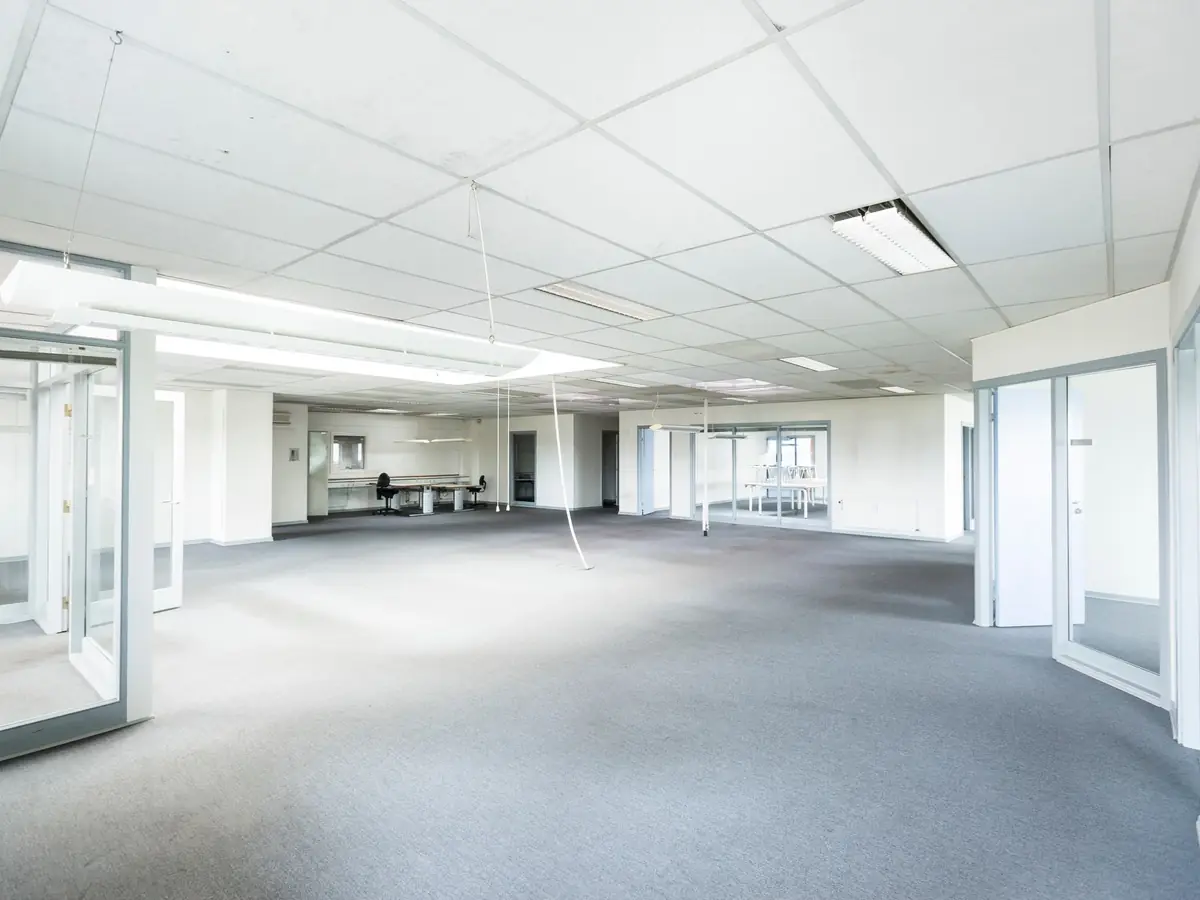
walked and priced
Every item on the schedule walked on site and priced individually, with method and materials stated, so both surveyors can agree the scope.
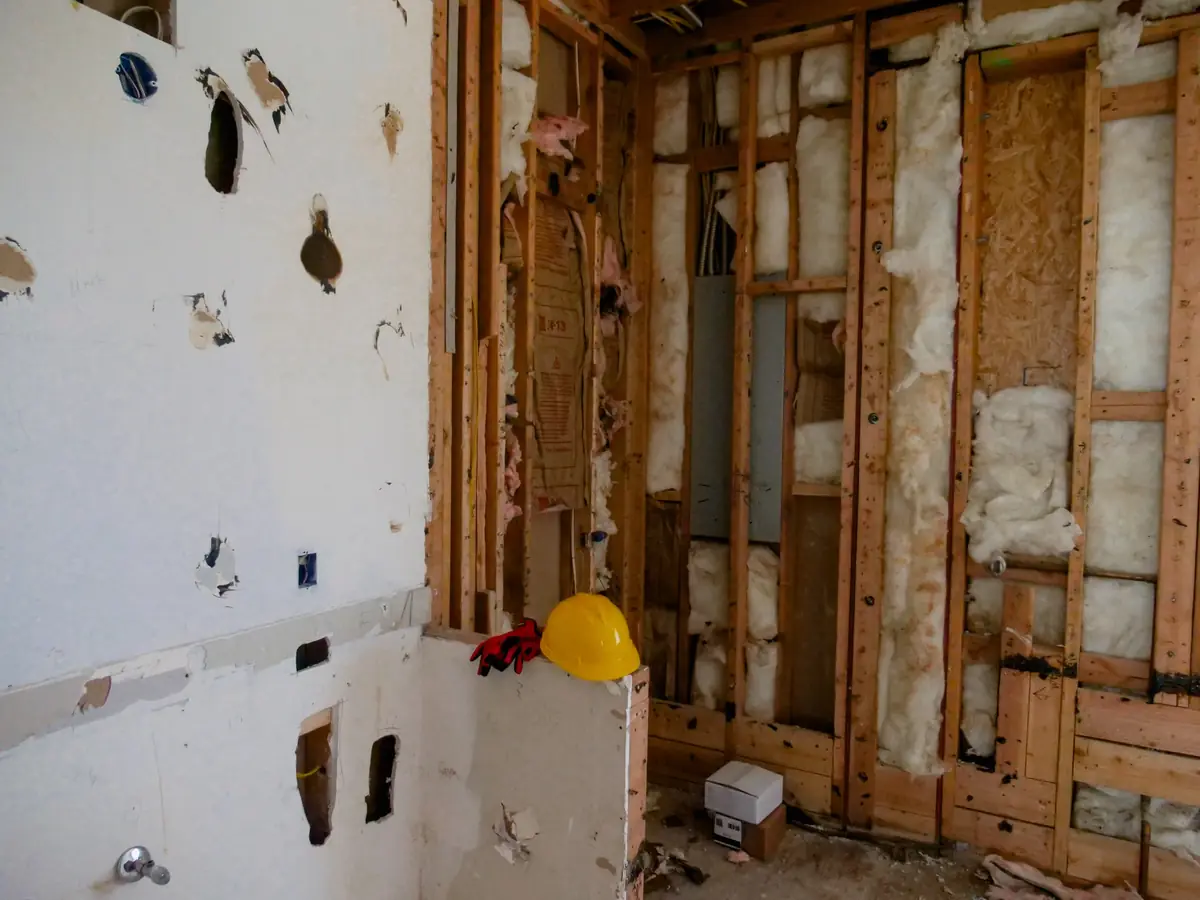
to the shell
Tenant partitions, ceilings and fit-out removed, services capped by the right trades, the shell cleared and photographed.

to the drawings
Original partitions, ceilings, fire lines and finishes rebuilt; walls and floors made good; plaster and screed as the schedule requires.
before the date
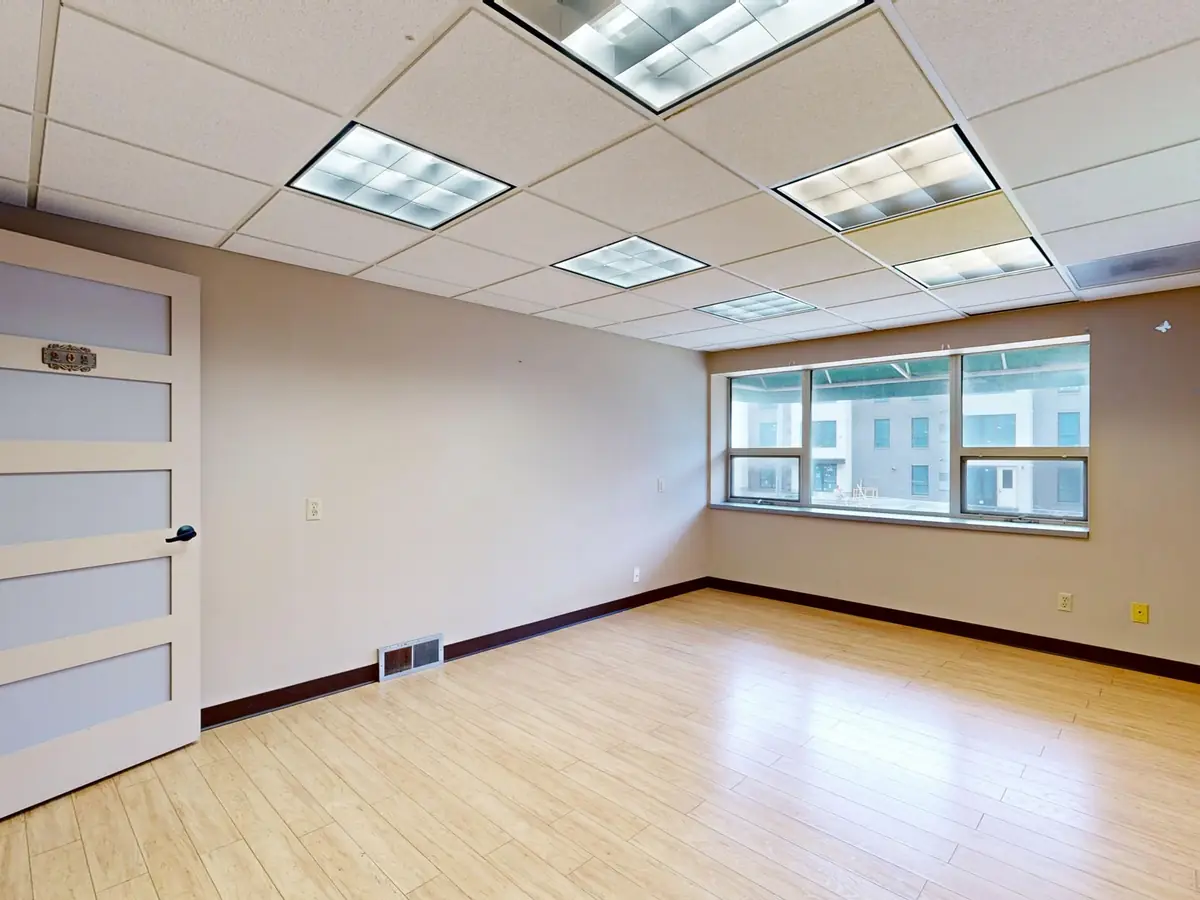
Decoration-ready or decorated, a walk round with the surveyors, snags closed and a photographic record issued.
Next step
A PDF of the schedule and the floor plan is enough to start. A surveyor calls back to arrange a walk round and confirm the programme.
Ask to see a finished dilapidations contractor job like yours before you book. The survey is where that conversation starts.
Quick Quote OnlineAreas covered
We are a service-area business: no showroom, the team travels to you. Dilapidations Contractor is quoted from the same survey visit in every town on the list, and the map shows where we are based.
Leeds postcodes come first, then Bradford, Wakefield, Dewsbury, Huddersfield, Halifax, Harrogate and Barnsley, with the smaller towns between them on the same run. The full list of fifty is on the areas we cover.
Related services
Drylining Walls
Dot and dab, metal-frame linings and tape-and-joint, left ready for skim or paint.
Fire Boarding
Fire-rated plasterboard systems for walls, ceilings, structural encasement and compartmentation details.
Floor Screeding
Traditional and liquid screeds laid level for tiling, underfloor heating and resin floors.
Questions
If your question is not here, the quickest route is the contact page, where the same form and number sit with the map. Longer answers on drying times, blown plaster and render systems live in our plastering guides.
The landlord's surveyor's list of repairs, reinstatement and removals a tenant owes under the lease at its end. It is negotiated between the two surveyors and what remains is either carried out by the tenant or paid for. We price and carry out the building-fabric items.
That is a decision for you and your surveyor. Doing the works before the lease ends is usually cheaper than a settlement, and our item-by-item price gives you a real figure to compare against the claim.
Yes, and we prefer to. Scope, materials and finishes agreed in writing before work starts avoid a dispute at the walk round. We photograph before, during and after.
It depends on the size of the schedule and the access. Small units are days; whole floors are weeks. The lease end date sets the programme, so the earlier we see the schedule the more comfortable the timetable.
We carry out the building-fabric works: partitions, ceilings, walls, floors, plaster and screed. Electrical, mechanical and data services are capped and removed by the appropriate trades, which we coordinate with on site.
Yes. Landlords use us after a tenant has left to reinstate a unit for re-letting, and agents use us to bring a tired unit back to a clean shell quickly.
Quick Quote
Room sizes, what the surface is now, and what you want it to be. A surveyor reads it before calling, so the visit is booked knowing what to bring.