

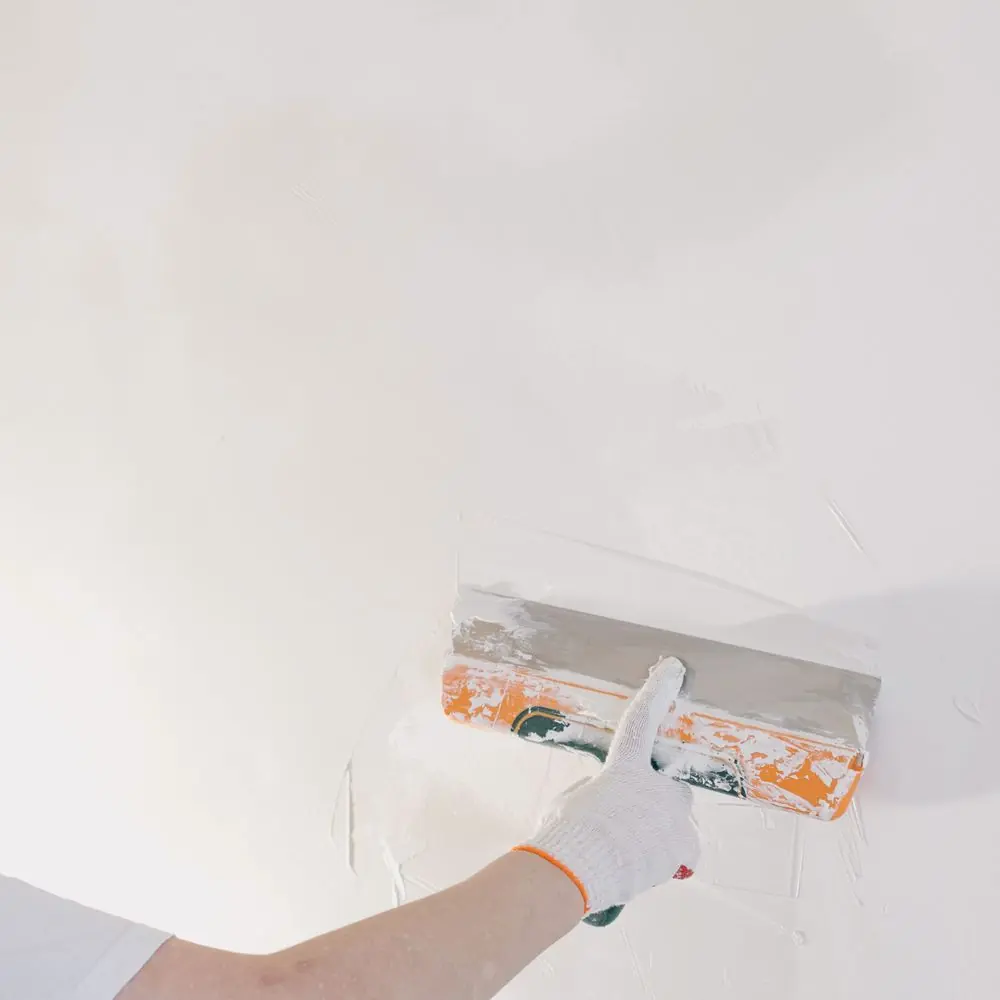
Plastering
plasterer in Leeds
Skimming, boarding and float-and-set for single rooms through to whole-house refurbishments.
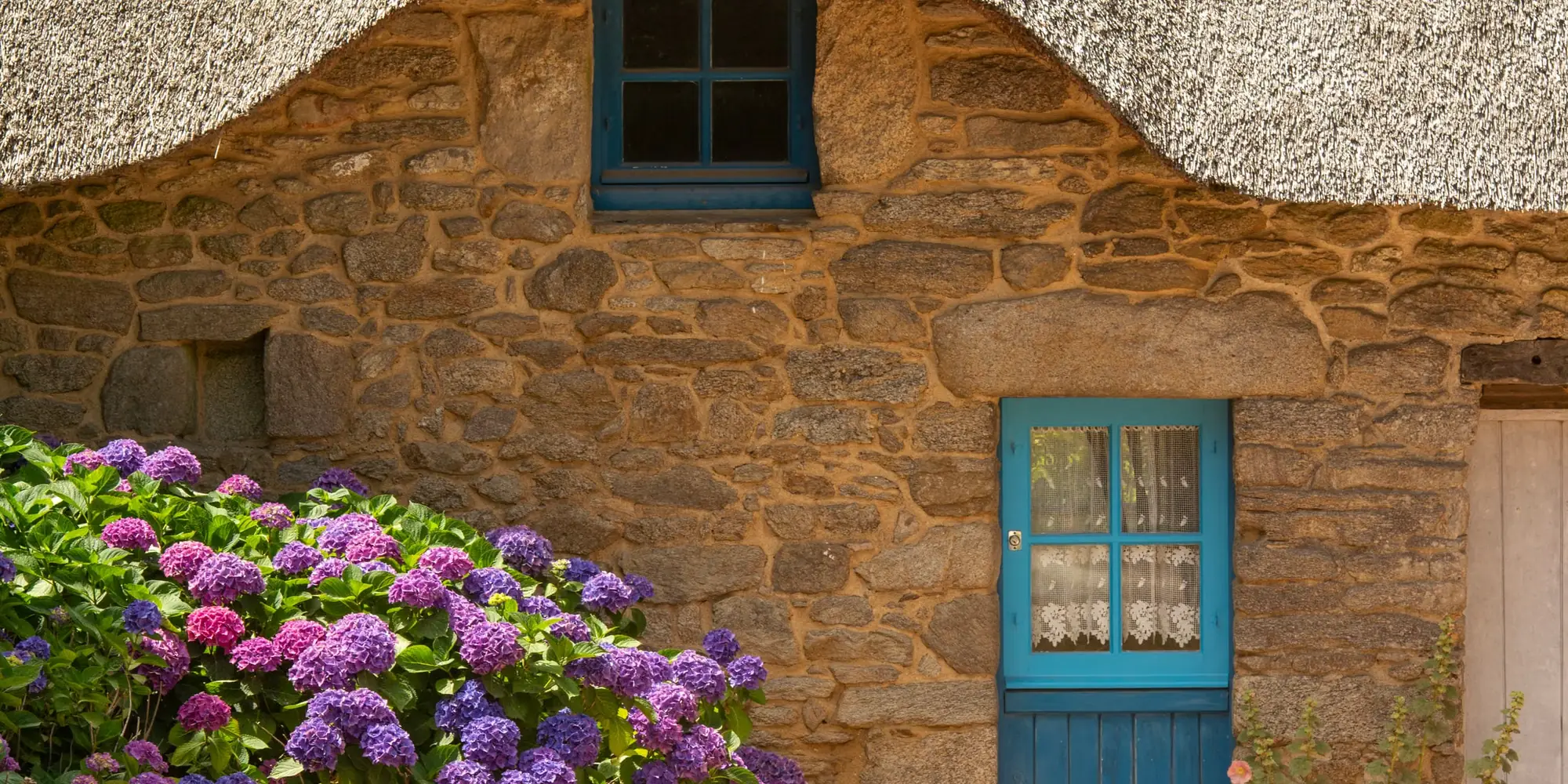
Lime Plastering · Leeds and West Yorkshire
Solid stone and old brick walls were built to breathe. Lime plaster inside and lime render outside let them, which is why the walls that keep blowing under gypsum stay sound under lime.
What the job covers
Before cement and gypsum took over, every wall in Leeds was plastered with lime. It sets slowly, stays slightly soft and vapour-open, and moves with the building rather than cracking against it. That is exactly what a solid stone or brick wall with no damp course needs: a coat that lets moisture pass through and evaporate rather than trapping it. Put hard gypsum plaster or cement render on the same wall and the moisture has nowhere to go but into the plaster, which is why so many "damp problems" in older houses are really the wrong material.
Invicta plasters in lime for period houses, cottages, farmhouses and listed buildings across Leeds, Harrogate and the Dales fringe: three-coat work on lath and on masonry, repairs to original plaster, lime render outside, and the lime-based decorative work that goes with it. It sits alongside the modern plastering and skimming on the rest of the house and the period cornice repair and matching those houses usually need too.
What a lime plastering job can include
Lime plaster is made from lime putty or natural hydraulic lime, sand and sometimes animal hair, applied in coats and left to carbonate slowly by taking carbon dioxide back from the air. It is softer than gypsum and much softer than cement, which sounds like a weakness and is the whole point: it is sacrificial and flexible, it absorbs and releases moisture, and it can be patched with more of itself indefinitely. A lime-plastered wall in a two-hundred-year-old house is usually still doing its job.
Non-hydraulic lime putty sets only by carbonation and stays the most breathable; natural hydraulic lime (NHL) has a chemical set as well and is used where more strength or faster setting is needed, such as external render in an exposed spot.
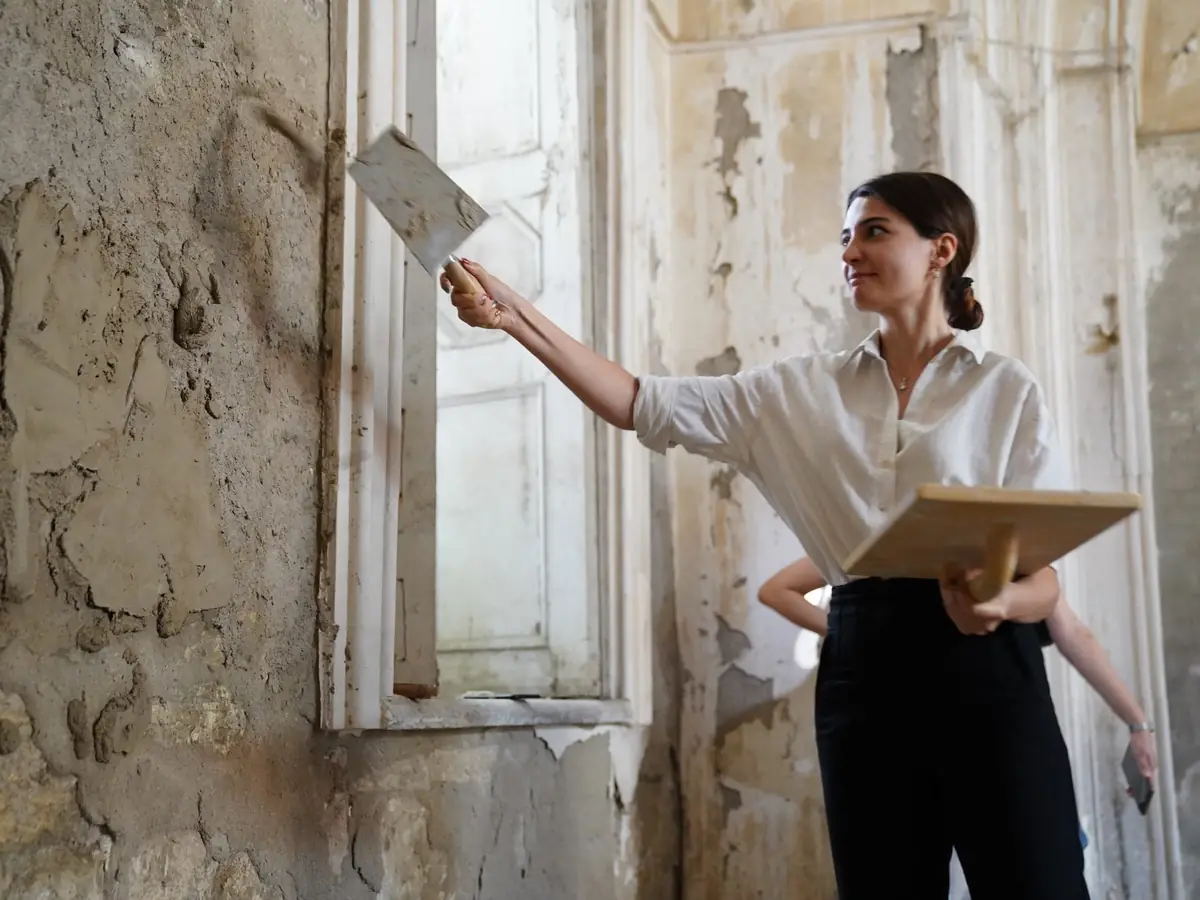
Three coats. The scratch coat, haired, is thrown or laid on to the masonry or lath and scratched to give a key. The float coat straightens the wall and is left rough. The finish coat is thin and worked up with a float and a trowel to a smooth or lightly textured face. Each coat has to be left to firm and, on lime putty, to begin carbonating before the next goes on, which is why lime plastering is measured in weeks rather than days and why it cannot be rushed with heaters.
Lath ceilings and studwork are re-lathed in riven timber where the old lath has failed and plastered with a haired scratch coat pushed through the gaps to form the keys that hold the ceiling up.
Outside, lime render does for a stone wall what lime plaster does inside. It sheds rain from the surface while letting the wall dry out through it. It is applied in two or three coats over a well-pointed wall, finished smooth, floated or as a roughcast, and traditionally limewashed, which adds a sacrificial, breathable colour coat that is renewed rather than stripped. Cement render on the same wall traps water behind it and fails by frost and salt within a couple of decades, usually taking some of the stone face with it.
Where a cement render is being taken off an old house, lime render is nearly always what should go back on. The external rendering page covers the modern systems for modern walls.
The hair in a lime scratch coat, traditionally goat or horse, now often synthetic fibre, is reinforcement: it holds the coat together across the gaps in lath and over the joints in stone. Lath is split rather than sawn so the grain stays intact and the plaster keys grip. The three coats thin progressively, from a coarse haired scratch coat through a finer float coat to a fine finish, so the wall is straightened without any one coat being thick enough to crack.
We mix on site or use pre-batched lime mortars from specialist suppliers, matched to the coat and the wall. Sands are chosen for their grading, not just their colour.
The three coats
On a listed building or in a conservation area, the aim is to keep as much original fabric as possible and to repair like with like. Loose plaster is consolidated rather than stripped where it can be, missing areas are made up in matching lime, and new work is distinguishable on close inspection but invisible from across the room. We are used to working with conservation officers, architects and surveyors, and to writing up what was done and with what.
Farmhouses, chapels, mill cottages and Georgian townhouses across Harrogate, Otley, Ilkley and the villages between all come up. So do ordinary Victorian terraces whose owners simply want the walls to stop blowing.
A great many damp complaints in older Leeds houses trace back to the same sequence: cement render outside, gypsum plaster inside, modern paint over both, and a wall that can no longer dry. The moisture rises and spreads, salts crystallise behind the plaster, and it blows. Injected damp courses and tanking treat the symptom. Taking the impermeable layers off and putting breathable lime back treats the cause, and the wall dries over the following seasons.
Where there is a genuine leak, a bridged damp course or a drainage problem, that has to be fixed first, and the damp and mould treatment survey is where it gets found. Lime is the right finish once the water has been dealt with.
Lime putty for internal finish coats and the most breathable work; NHL 2, 3.5 or 5 for scratch coats, external render and exposed walls, graded by strength; hot-mixed lime where a job calls for the traditional method; and pre-batched lime plasters and renders from the specialist suppliers where consistency across a large job matters. Sands are sharp and well graded. Hair or fibre goes in the base coats.
We match the mix to the wall, the exposure and the coat, and we can leave you with a note of what was used so future repairs are done in the same material.
Lime work always starts with a visit. The surveyor needs to see what the wall is made of, how it was finished originally, what has been put on it since, and where the moisture is. The written quote sets out the stripping, the repairs, the coats, the drying periods between them and the finish, with a realistic programme. Old houses do not respond well to a rushed programme, and neither does lime.
Send photographs and a description of the house and the problem; a surveyor calls back to arrange the visit.
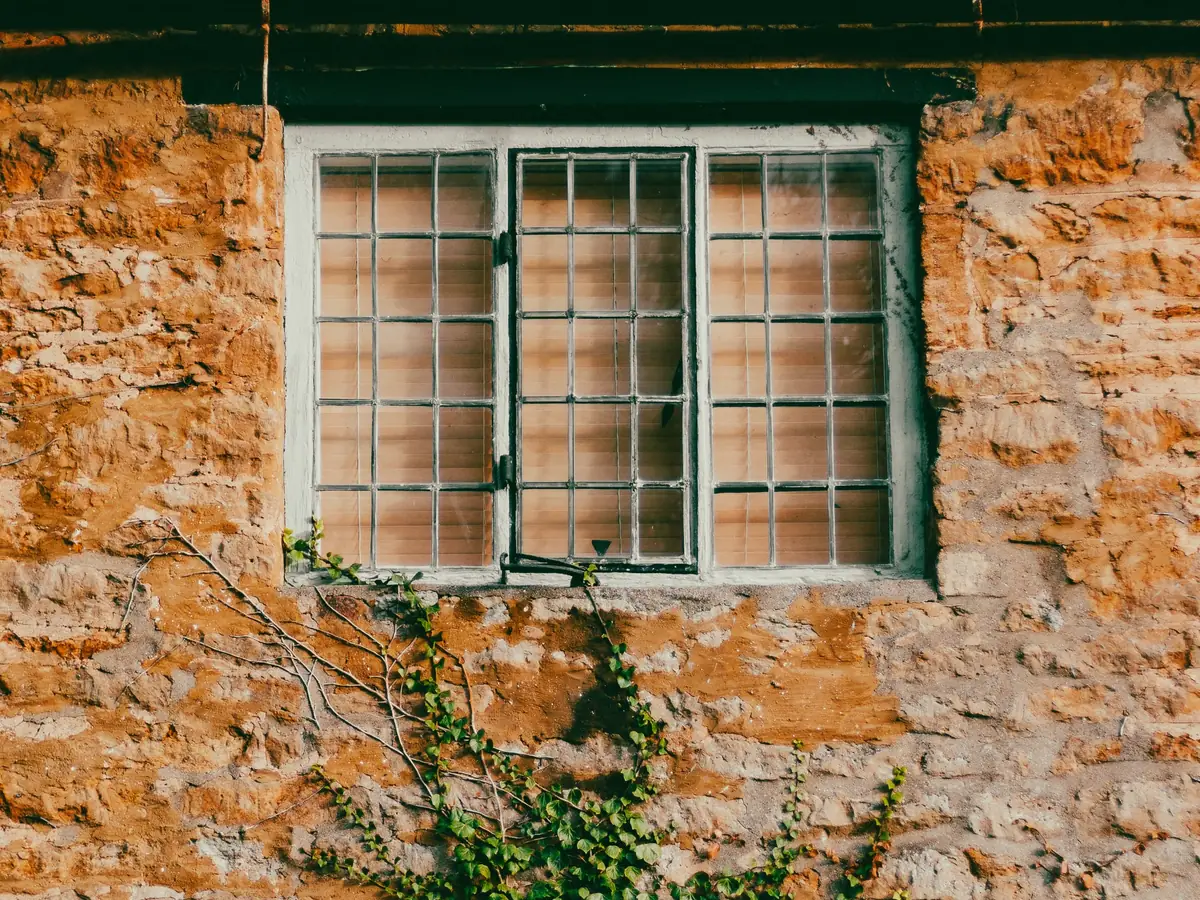
wall, finish, moisture
Wall construction identified, existing layers checked, moisture metered and traced to its source. The programme is set by the coats and the drying, not the calendar.
like for like
Impermeable layers removed, loose original consolidated, masonry repointed in lime, lath replaced where it has failed.
each left to firm
Haired scratch coat, float coat and fine finish coat, each allowed to firm and begin carbonating before the next.
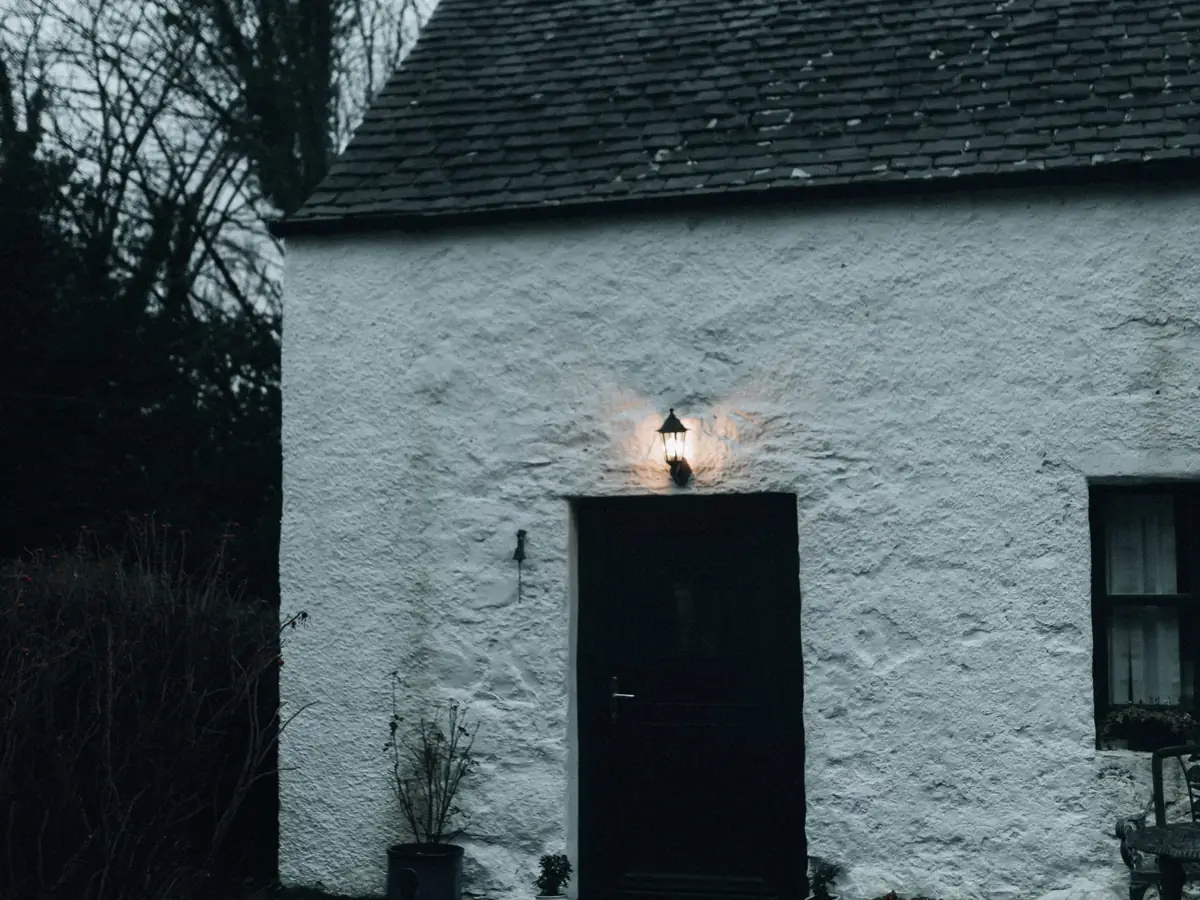
no heaters
Limewash or breathable paint once cured, a note of the mixes used, and honest guidance on how long the wall will take to settle.
Next step
Stone or brick, rendered or bare, what the inside has been plastered with. A surveyor calls back to arrange the visit.
Ask to see a finished lime plastering job like yours before you book. The survey is where that conversation starts.
Quick Quote OnlineAreas covered
We are a service-area business: no showroom, the team travels to you. Lime Plastering is quoted from the same survey visit in every town on the list, and the map shows where we are based.
Leeds postcodes come first, then Bradford, Wakefield, Dewsbury, Huddersfield, Halifax, Harrogate and Barnsley, with the smaller towns between them on the same run. The full list of fifty is on the areas we cover.
Related services
Plastering
Skimming, boarding and float-and-set for single rooms through to whole-house refurbishments.
Coving & Cornice
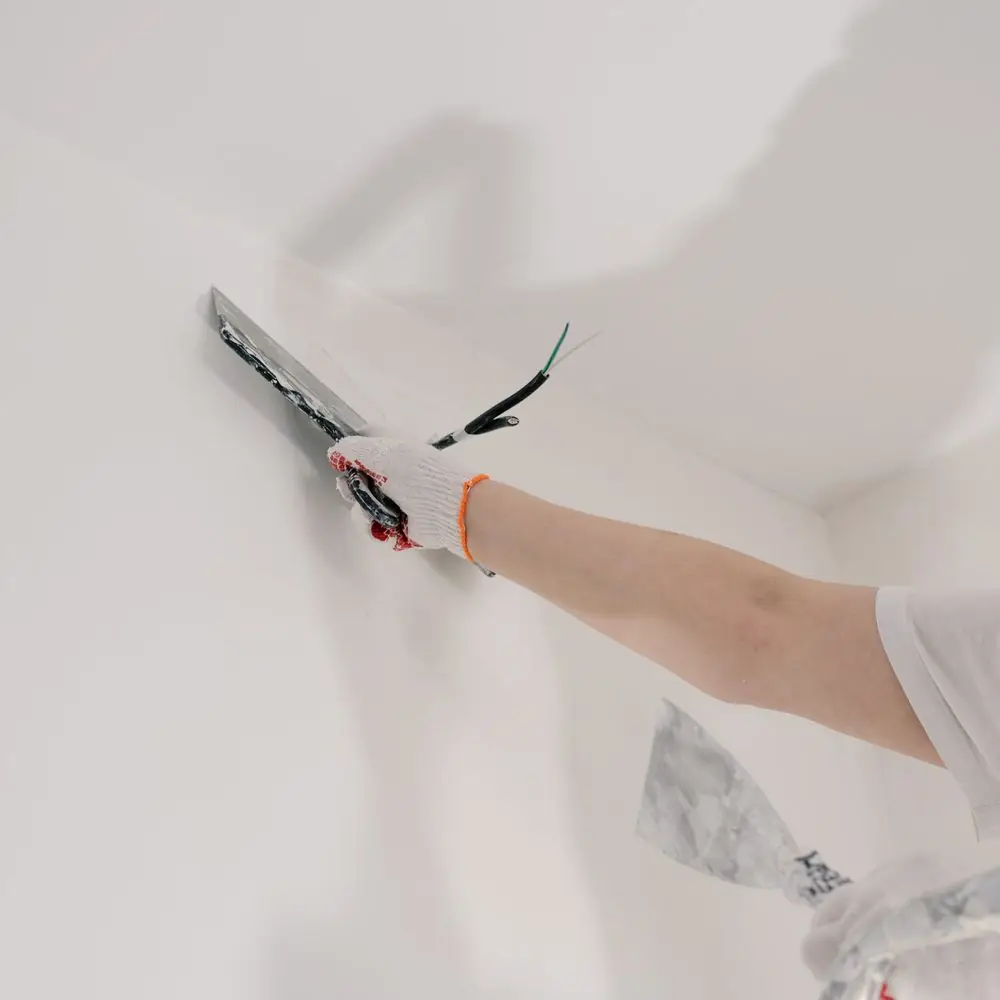
Plaster coving and cornice fitted, repaired or profile-matched to what is already in the house.
Damp & Mould Treatment
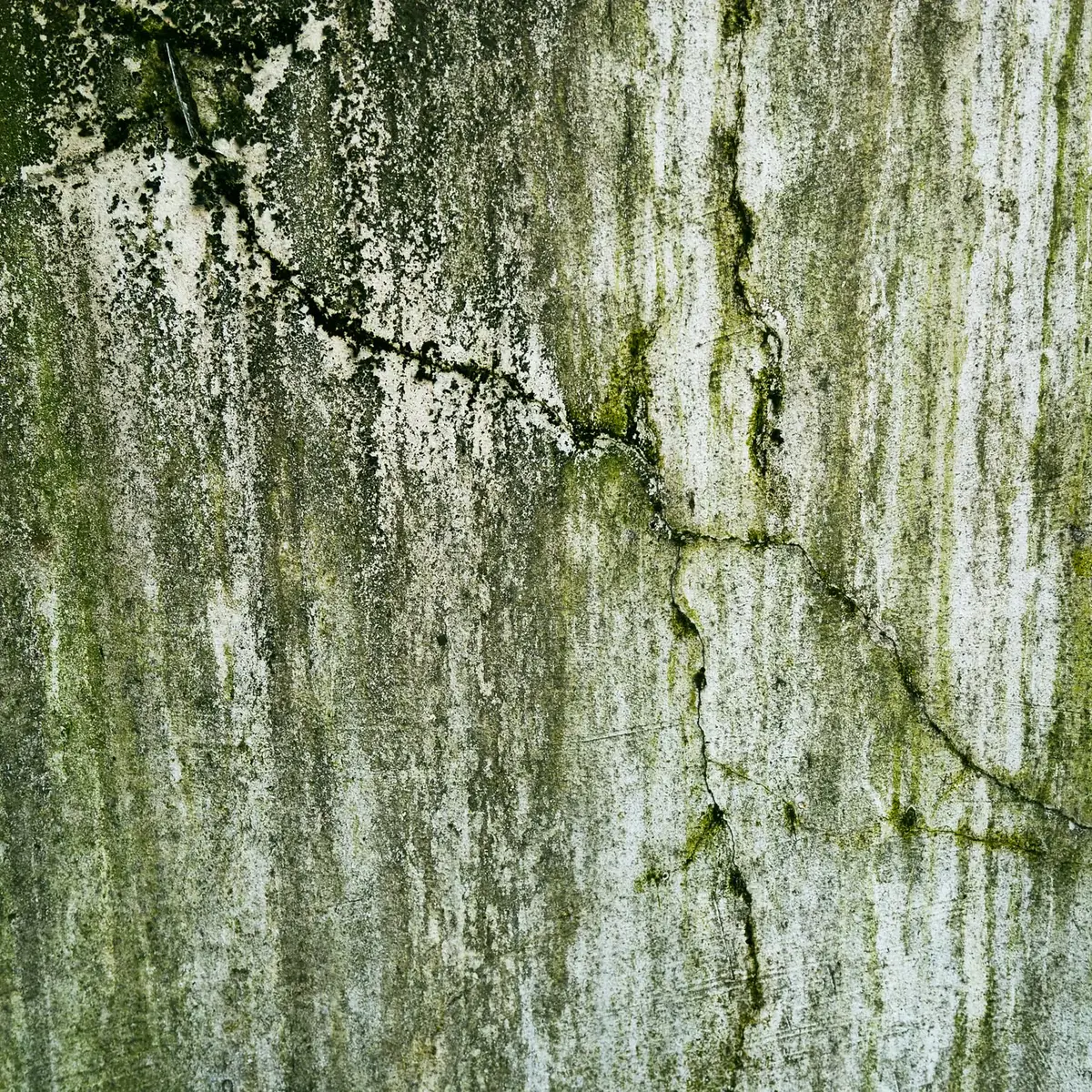
Investigation-led damp and mould treatment with affected finishes repaired once the cause is understood.
Questions
If your question is not here, the quickest route is the contact page, where the same form and number sit with the map. Longer answers on drying times, blown plaster and render systems live in our plastering guides.
Because a solid stone or old brick wall has to be able to dry outwards. Lime lets moisture pass; gypsum and cement trap it, and the plaster blows. On walls built before about 1919, lime is usually the right material.
Longer than gypsum. Each coat needs days to firm and the whole wall weeks to carbonate, depending on thickness, season and ventilation. Limewash or breathable paint goes on once it has cured; ordinary emulsion should not be used at all.
Over sound original lime, yes, after consolidation. Over cement render or gypsum, no: those need to come off first or the lime cannot breathe through them. The survey confirms which.
It takes more coats, more time between them and more skill, so a lime job costs more than a gypsum skim. It also lasts far longer on the walls it suits, and it is what a conservation officer will expect on a listed building.
Yes, including with conservation officers and architects, repairing like for like and recording what was done. Listed building consent is the owner's responsibility; we can help describe the works for the application.
Yes. Failed lath is replaced with riven lath, a haired scratch coat is pushed through to form keys, and the ceiling is built back in three coats. Where the original is sound it is consolidated and kept.
Quick Quote
Room sizes, what the surface is now, and what you want it to be. A surveyor reads it before calling, so the visit is booked knowing what to bring.